Discover Cleaner, Worry-Free Boating: Water Management and Waste Solutions for Bourgogne Houseboats
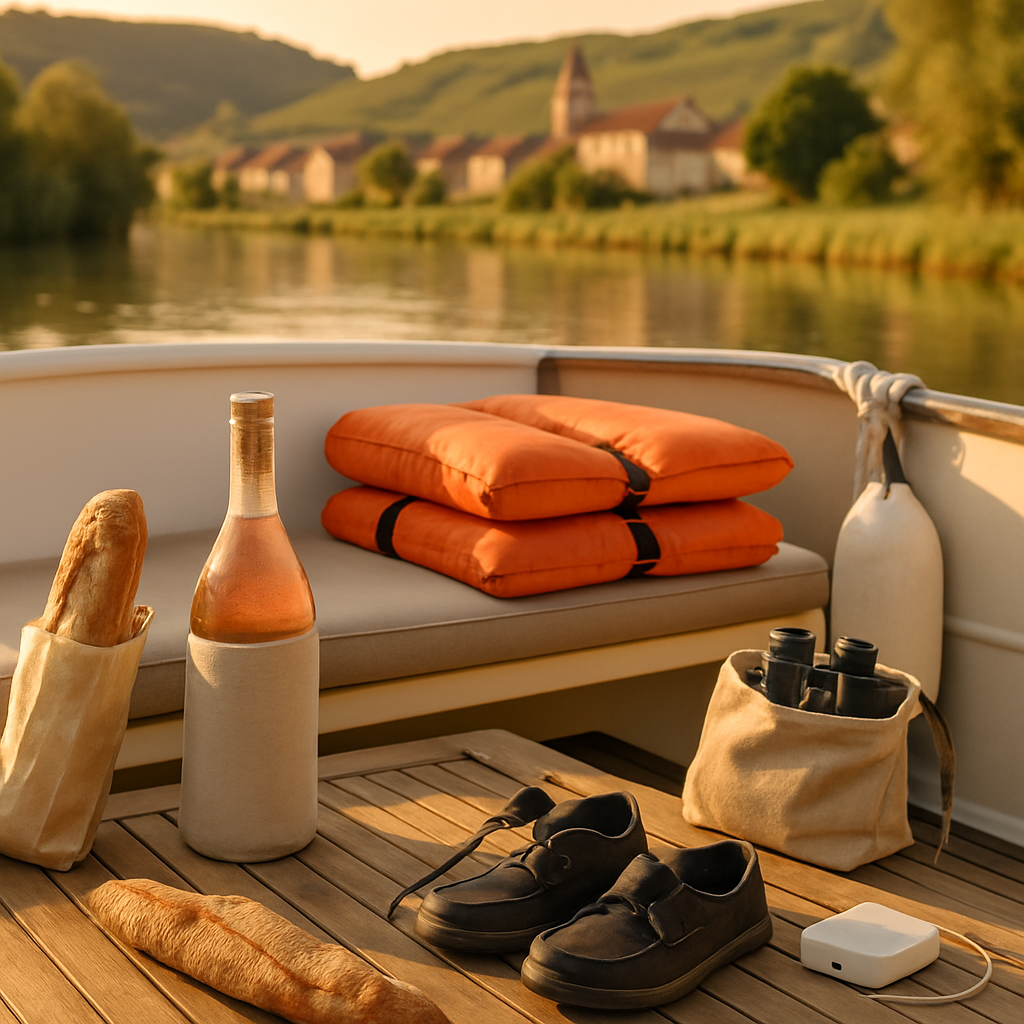
Imagine gliding past sunlit vineyards, a chilled bottle of local Bourgogne pinned to the stern, and not a single worry about where your water comes from or where your waste is going. Sounds dreamy, right? That’s exactly what thoughtful Water Management and Waste Solutions deliver: comfort, compliance, and peace of mind. In this guest post for Bourgogne Marine, Du bekommst konkrete, practical steps and smart choices so your next houseboat trip in Bourgogne is safe, sustainable, and carefree—while keeping the canals and rivers as lovely as the views.
Water Management and Waste Solutions for Safe and Sustainable Houseboat Travel with Bourgogne Marine
Let’s be blunt: poorly managed water and waste can ruin a holiday fast. Beyond the unpleasant stuff—bad smells, plumbing headaches—there’s a bigger picture: pollution, stressed ecosystems, and harm to communities that depend on these waters. Good Water Management and Waste Solutions start before you cast off. They’re a mix of systems, habits, and local know-how. Combine those and you’ll protect the Saône, the Yonne, the Canal du Centre—wherever your route takes you—and keep your crew healthy.
Why this matters in Bourgogne
Bourgogne’s waterways weave through farmland, historic towns, and nature reserves. They’re feeding irrigation canals, supporting fish and birdlife, and drawing tourists for a reason. If we dump untreated blackwater or wash with toxic cleaners, we change the chemistry of those waters. That might mean algae blooms, fish kills, or worse yet—fines if you break local rules. Think of good water and waste practice as common sense: leave no trace, and everyone wins.
What to expect from this guide
We cover everyday habits, technical systems, and on-the-move strategies: how to cut water use, pick the right tank, treat potable water, handle blackwater and greywater, and what to do if services are sparse. By the end, you’ll have an action plan you can use on your next Bourgogne voyage.
For a practical, room-by-room look at making life aboard more comfortable while minimizing resource use, check out this helpful reference on On-Board Living and Boating Essentials. It covers storage tricks, space-saving tips, and small upgrades that improve daily routines—things like collapsible basins, compact dish racks, and clever bin systems that make sorting recyclables second nature. Those details help keep water use low and waste tidy during longer trips.
Bourgogne Marine’s Guide to Water Management Practices: Efficient Water Use on a Houseboat
Small changes add up. If everyone on board trims just a few minutes from showers and swaps a few habits, you’ll halve your freshwater needs—or at least make days between refills much easier. That’s the low-hanging fruit of Water Management and Waste Solutions.
Simple daily habits that save gallons
- Limit showers to 3–4 minutes. Timers on phones? Use ’em. It’s amazing how fast water adds up.
- Turn the tap off while brushing teeth or shaving—use a cup for rinsing.
- Collect rinse water in a bowl for deck cleaning or to flush a bucket toilet if you have one—nothing goes to waste.
- Only run washing machines and dishwashers when full and connected to shore power if possible (saves fuel and amps).
- Rinse fruits and vegetables in a basin, then reuse the water for plants or cleaning.
Upgrade your fittings—small cost, big return
Low-flow showerheads and faucet aerators can drop water use dramatically without ruining the experience. Add a pressure accumulator to reduce pump cycling (less noise, longer pump life). If you haven’t looked at toilets lately, low-consumption marine toilets or composting units can cut blackwater volume by half or more—though composting systems require careful maintenance and local legal checks.
Monitor and adapt
Install clear tank-level gauges or simple sight tubes and log them daily. When Du can see the numbers, Du change behavior—simple as that. Knowing you’ve got 200 liters vs. 50 liters changes your choices fast.
Because pumps, filters, and water-treatment units depend on reliable electricity, it’s smart to pair water planning with power planning; start by reviewing best practices for vessel electrics in this concise article on Power Systems and Battery Maintenance. Keeping batteries healthy, inverters sized right, and charging systems stable ensures your UV sterilizers, pumps, and heaters run when they should—avoiding surprises mid-cruise and preventing hasty compromises that could risk water safety.
Waste Solutions on the Water: How Bourgogne Marine Readers Can Minimize Eco Impact
Waste streams on a houseboat are typically separated into blackwater (human sewage), greywater (sinks, showers, and laundry), and solid waste (trash, recyclables). Minimizing environmental impact requires a combination of onboard systems, correct disposal practices at marinas, and choosing low-impact products.
Blackwater management options
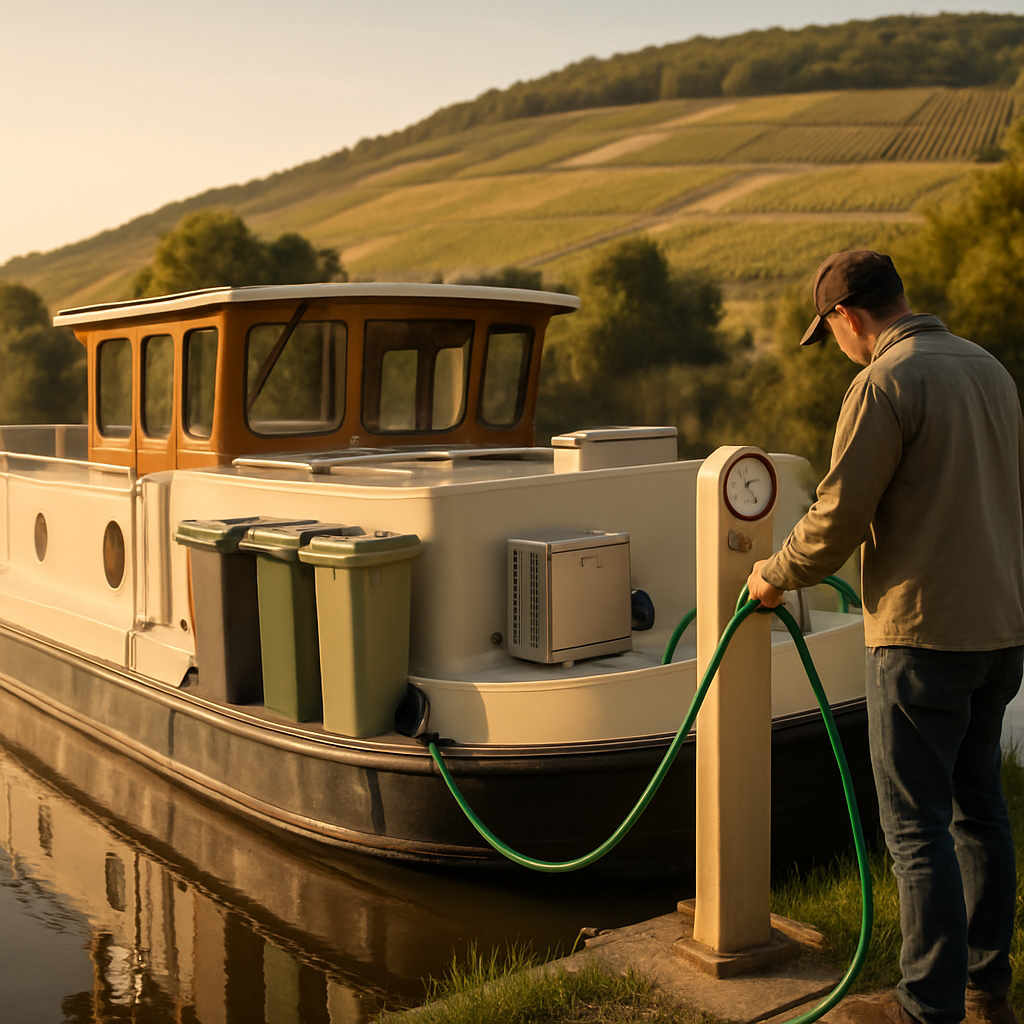
- Pump-out systems: The most common solution for canal and river boaters. Store in a holding tank and use marina pump-out stations or mobile services.
- Composting toilets: Eliminate blackwater in many cases; require proper venting, maintenance, and safe disposal of composted solids. Check regulations—some regions restrict use on navigable waterways.
- Portable toilets: Suitable for small boats or short trips; empty at approved facilities only.
Greywater handling and treatment
Greywater contains detergents, food particles, and oils and can stress aquatic systems if discharged untreated. On Bourgogne waterways, aim to:
- Use biodegradable, phosphate-free cleaning products and low-foaming soaps to reduce toxicity.
- Install a grease trap or strainer on sink drains to capture solids and oils before they reach the bilge or a holding tank.
- Consider a simple greywater holding tank if regulations or sensitive waterways make discharge inappropriate.
- If discharging, do so only away from shorelines, bathing areas, and within local regulations.
Solid waste and recycling on board
Keep trash secure to prevent wildlife encounters and sort recyclables. Use clearly labeled bins and compact waste when possible. Plan stops at marinas or municipal centers for proper disposal—many Bourgogne marinas offer waste and recycling points, but hours and services vary.
Choosing the Right Water Storage and Treatment Systems for Your Bourgogne Houseboat with Bourgogne Marine
Selecting the right combination of storage and treatment depends on vessel size, crew habits, trip length, and budget. Below is a comparison to help you choose.
| System | Best for | Pros | Cons |
|---|---|---|---|
| Freshwater tank + basic filter | Most houseboats | Simple, cost-effective, low maintenance | Limited purification for micro-organisms |
| Activated carbon + sediment + UV | Longer cruises, uncertain water sources | Effective against bacteria, protozoa, and chemicals | Higher cost, requires power and maintenance |
| Reverse osmosis (RO) | High-quality potable water needs | Produces very pure water | Energy intensive, waste brine, expensive |
| Chemical disinfectants (chlorine/iodine) | Emergency backup | Portable, inexpensive | Taste, ongoing chemical handling, less effective against some contaminants |
Practical recommendations
For most Bourgogne houseboaters we recommend a layered approach: a well-sized storage tank, a sediment pre-filter, carbon filter for tastes/chemicals, and a UV sterilizer for microbial safety. Keep chemical disinfectants as a backup. Make sure systems are sized for your crew’s daily water use and that you have clear procedures for filter replacement and UV lamp servicing.
Tank materials and placement
Choose corrosion-resistant, food-grade tanks (polyethylene or stainless steel). Position tanks low and central to keep the boat’s center of gravity balanced. Include easy-access inspection ports for cleaning and scheduled sanitization.
A Boater’s Guide to Water Management and Waste Solutions During Bourgogne River Voyages with Bourgogne Marine
Voyaging along the Saône and other Bourgogne waterways requires planning: refill points, pump-out availability, seasonal closures, and variable water quality. Follow this step-by-step guide to stay prepared and compliant.
Pre-departure checklist
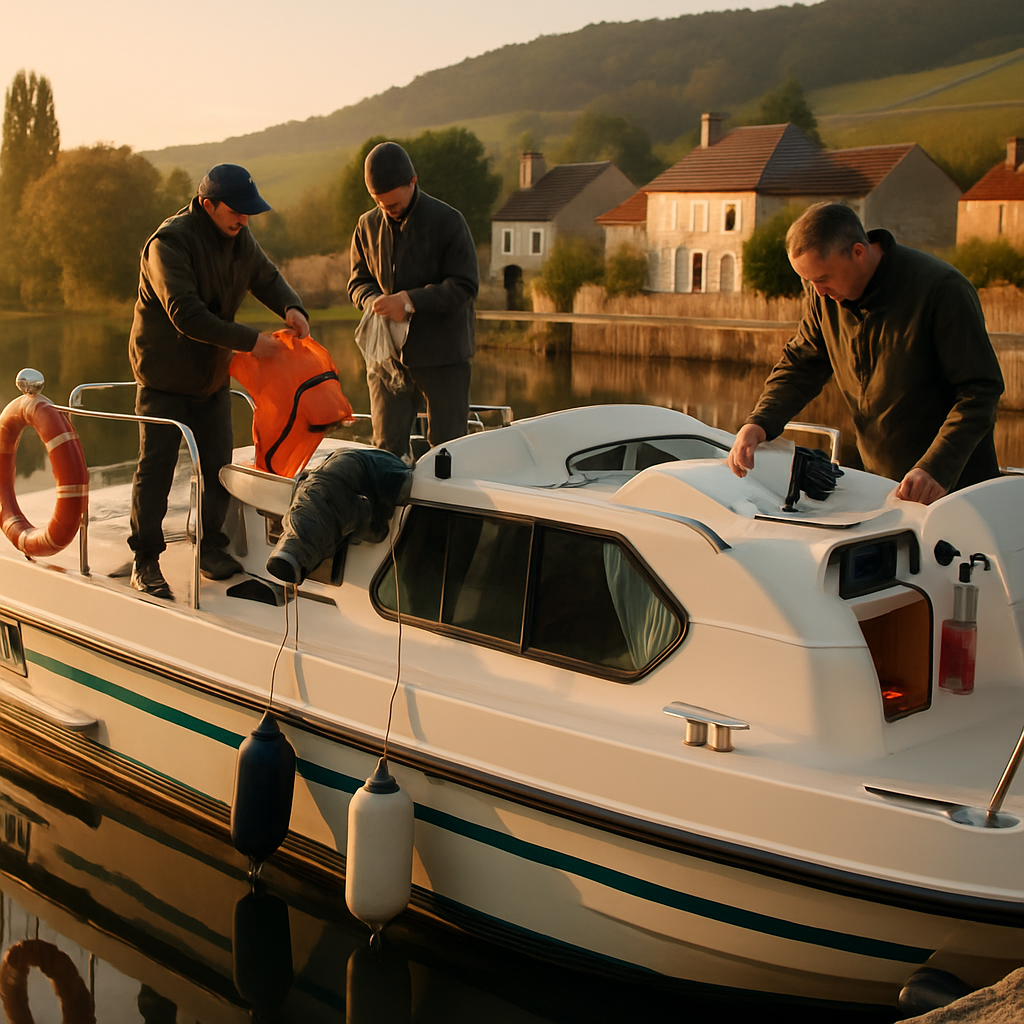
- Inspect tanks, hoses, and fittings for leaks; sanitize potable water tanks if unused for a while.
- Ensure filters are clean and UV lamps functional; carry spare filter cartridges and UV bulbs if possible.
- Verify the toilet system is serviced and holding tanks emptied; check pump-out card or marina contacts.
- Stock biodegradable cleaning supplies and sealed trash bags; provide clearly labeled bins for sorting.
- Download or print a list of marinas, pump-out stations, and safe refill points for your route.
When packing for a week on the water, consider the guidance in this practical planning piece on Provisioning and Storage for Weeklong Trips. It outlines how to store perishable and non-perishable foods efficiently, where to place heavy items for stability, and how to coordinate water expectations with food prep plans so you don’t run short halfway between refills. Good provisioning reduces waste and stress.
Daily on-board routine while underway
- Monitor fresh and waste tank levels at least once per day.
- Limit showers and encourage bucket washes where appropriate.
- Use the galley sink strainer and dispose of food solids in sealed trash, not down the drain.
- Note nearby pump-out opportunities and plan stops before tanks reach critical capacity.
Dealing with limited services
If pump-outs or refill points are scarce, reduce water consumption, switch to dry-manners (e.g., sponge baths), and consider mooring overnight at a marina that accepts waste even if services are limited the next morning. For longer stretches, a portable 12V macerator pump and portable holding tank might be a practical stopgap to carry waste to an approved facility.
Seasonal and regional considerations in Bourgogne
Summer months bring higher traffic and more marina services, but also higher water temperatures which can accelerate bacterial growth in tanks. Wintering requires anti-freeze and winterization of plumbing to prevent damage. Be mindful of local rules: certain canals and rivers have discharge restrictions or designated pump-out zones—respect these regulations to avoid fines and environmental harm.
Maintenance, Troubleshooting and Emergency Protocols
Regular maintenance keeps systems reliable. Schedule filter replacements per manufacturer instructions, clean tank walls annually, and flush lines with approved sanitizers. Keep a small toolkit for hose clamps, spare pump fuses, and sealants on board.
Troubleshooting common issues
- Low water pressure: Check pump strainer, accumulator tank pressure, and inlet filters.
- Bad tastes or odors: Replace carbon filter, sanitize tanks, and run a UV lamp test if applicable.
- Toilet odors: Inspect venting and holding tank seals; pump-out or treat holding tank if needed.
- Clamp leaks or hose failures: Replace with high-quality marine-grade hose and clamps; secure fittings to prevent movement.
Emergency steps for contamination
If you suspect contamination (cloudy, foul-smelling water or illness among passengers), stop using the suspected source immediately. Use bottled water for drinking and cooking, sanitize or empty and refill tanks, and contact local health authorities if illness occurs. Report any suspected discharge or pollution incidents to the nearest marina or waterway authority so they can respond.
Checklist & Quick Reference for Bourgogne Marine Boaters
- Daily: Check tank levels and log them; practice water-conserving habits.
- Weekly: Inspect filters, strainers, and hose connections; replace small consumables as needed.
- Before docking at a marina: Secure waste lids, stow chemicals, and confirm pump-out availability.
- Seasonal: Sanitize potable tanks, winterize systems or prepare for higher temperatures in summer.
FAQ — Common Questions About Water Management and Waste Solutions
1. How should Du treat onboard water to make it safe to drink?
Treat water using a layered approach: sediment pre-filter to remove particulates, activated carbon to improve taste and remove chemicals, and a UV sterilizer to inactivate bacteria and protozoa. Keep chlorine or iodine tablets as an emergency backup. Regularly replace filters and test water, especially after refilling from unknown sources. If Du use a UV system, ensure the lamp is functioning and the quartz sleeve is clean for full effectiveness.
2. How much fresh water does Du need per person per day on a houseboat?
A practical estimate is 40–80 liters per person per day for comfortable use (drinking, cooking, short showers, basic washing), but you can cut that to 20–30 liters with strict conservation (bucket showers, limited washing). Plan for the higher end if crew expect daily showers or there’s limited access to refill points. Monitor actual use the first couple of days to refine your planning.
3. How often should Du pump out the blackwater holding tank?
Pump-out frequency depends on tank size and usage, but as a rule of thumb, plan a pump-out every 4–7 days for a small crew when using conventional marine toilets. For larger crews or heavy use, more often. Don’t wait until the tank is full—leave some buffer. Always use designated pump-out facilities or mobile services to dispose of sewage legally and responsibly.
4. Are composting toilets legal on Bourgogne waterways?
Regulations vary by waterway and marina. Composting toilets reduce blackwater discharge and water use, but some navigable waterways or marinas restrict their use. Before installing or using one, check local water authorities and marina policies. If permitted, follow manufacturer and local guidelines for venting, maintenance, and compost disposal.
5. Can Du discharge greywater while cruising in Bourgogne?
Greywater rules differ by region; some stretches allow distant discharge, while protected or sensitive areas may restrict it. Best practice: use biodegradable, phosphate-free cleaners, avoid discharging near shorelines, moorings, or bathing areas, and hold greywater when in doubt until you reach an approved disposal point. Adopting these habits protects local ecology and avoids fines.
6. What are the best practices for winterizing water systems?
Before winter, drain freshwater tanks and lines, blow out plumbing with compressed air where recommended, and protect pumps and heaters from freezing with suitable antifreeze rated for potable systems if you plan to store the boat. Remove and store UV lamps and sensitive electronics per manufacturer guidance. Label all winterized components and keep a checklist so you don’t miss essential steps.
7. How do Du prevent tank taste and odor problems?
Prevent tastes and odors by using food-grade tanks, fitting an activated carbon filter, sanitizing tanks every 6–12 months (or when you notice issues), and avoiding stagnation—use and refill regularly. Keep fill points clean and flush hoses periodically. If an odor appears, clean the tank, replace carbon cartridges, and run the UV system or chemical sanitizer after flushing.
8. What should Du pack for on-route emergencies related to water and waste?
Pack spare filter cartridges, a spare UV lamp if practical, a small supply of chlorine or iodine tablets, hose clamps, a basic pump repair kit, and a portable macerator or portable holding tank if you might encounter limited services. Also carry bottled water as an emergency backup and printed contact details for local marinas and pump-out providers.
9. How do power systems affect water treatment onboard?
Many treatment components—pumps, UV sterilizers, heaters—need reliable power. Ensure your battery bank and charging systems are sized for peak loads, and maintain batteries and wiring per best practices. If power is limited, prioritize UV and pump operation and schedule high-draw tasks (like RO units) when on shore power or when batteries are fully charged.
10. Where can Du find pump-out and refill stations on Bourgogne routes?
Most popular Bourgogne marinas provide pump-outs and refilling points, particularly along the Saône and Canal du Centre. However, services vary by season and location. Use updated marina directories, local waterway notices, and the planning resources on Bourgogne Marine to map facilities before departure. When in doubt, call ahead—some marinas require appointments for pump-outs.
Final thoughts
Smart Water Management and Waste Solutions aren’t just about staying legal—they make your trip more comfortable, reduce hassles, and protect the beautiful waterways of Bourgogne. Little habits, the right gear, and a bit of planning go a long way. So next time you plan a cruise past a sleepy village or a postcard-perfect vineyard, remember: a clean canal is part of the magic. Treat it right, and it’ll keep showing off for you season after season.
Ready to plan your next trip? Pack the filters, tuck away the cleaning gear, and enjoy the ride. If Du want, bookmark this guide and come back before your next departure—your future self will thank you when the showers stay warm and the water stays clear.