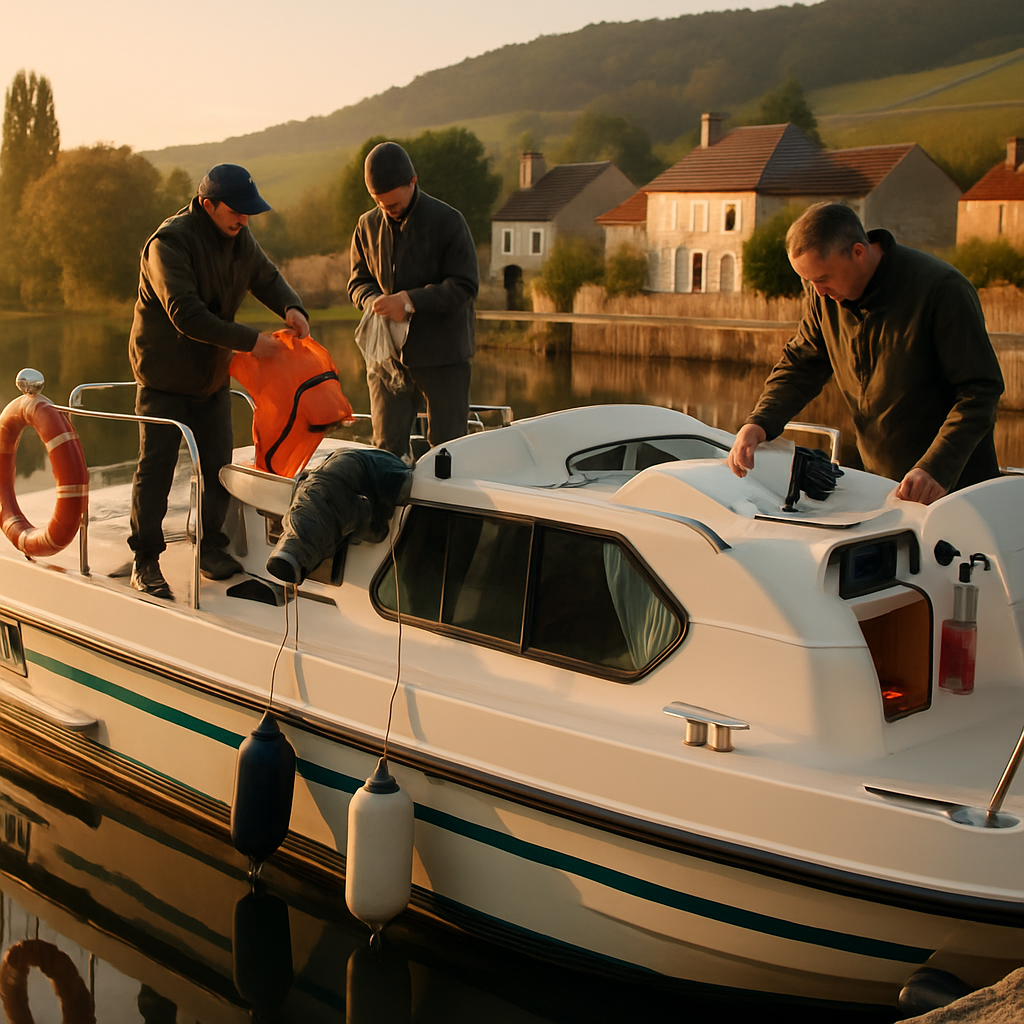
Imagine cruising slowly past sunlit vineyards, tying up at a sleepy village quay, and popping ashore for fresh bread and a local bottle of Bourgogne. Sounds dreamy, right? Before you untie the ropes and let the current take you, there’s one practical thing you shouldn’t skip: Insurance Coverage for Houseboat Holidays. This guide walks you through what matters, what to look for, and how to avoid messy surprises — written in plain language, with a little local flavor and a lot of useful, practical advice.
Why Insurance Coverage Matters for Houseboat Holidays
Houseboat holidays mix accommodation with navigation, and that combination brings unique risks. On land you’d worry about lost luggage or a canceled hotel booking. On the water, things change — you’re moving, anchored to a craft that can hit, sink, or be exposed to weather, and you’re carrying all your gear in one place. That’s why Insurance Coverage for Houseboat Holidays isn’t a box to tick; it’s a safety net that actually lets you relax.
Before you set off, it’s sensible to check a few authoritative resources that explain legal obligations and everyday safety practices. For navigation rules and jurisdictional details across French inland and neighboring waterways, consult France and European Waterway Regulations, which lays out key requirements you’ll encounter on routes through Bourgogne. For hands-on advice about everyday precautions, emergency steps, and common-sense measures to keep your trip smooth, see Safety, Regulations, and Boating Tips, a practical collection of tips for lock etiquette, securing gear, and avoiding common mishaps. And because weather can turn quickly on canals and rivers, review Weather Forecasting and Storm Preparedness so you know how to plan around storms, sudden winds, or heavy rain and what to do if bad weather strikes.
What Your Houseboat Insurance Should Cover: A Bourgogne Marine Guide
When you search for “Insurance Coverage for Houseboat Holidays”, you’ll see a lot of terms flying around — hull, P&I, salvage, excess — and it can get confusing. Here’s a straightforward list of the insurance elements you should look for and why each one matters.
Third-Party Liability (P&I)
This is the big one. Third-party liability covers injury to other people and damage to other vessels or infrastructure. If you hit a fellow boater, dent a quay wall, or cause pollution with a fuel spill, this is the policy that steps in. Make sure limits are realistic — a low cap can leave you personally responsible for expensive claims.
Hull and Machinery (Damage to the Vessel)
Hull cover pays for repairs to the physical structure and fixed equipment after incidents like collisions, fire, or sinking. Check whether the policy covers agreed value (you and the insurer agree a value up front) or market value (value assessed after loss). For older boats, market value can be tricky; agreed value gives you certainty.
Personal Effects and On-Board Contents
Houseboats are cozy and contain a lot of personal items — from laptops and cameras to bikes and wine. Personal effects cover these items if stolen or damaged. Watch for single-item limits and exclusions for valuables left unattended on deck.
Personal Accident and Medical Expenses
Even minor slips can result in medical bills. Cover for medical treatment, emergency evacuation, and accidental death or disability protects you and your guests. For more remote stretches of water or slower ambulance response times, consider higher medical limits.
Towing, Salvage and Emergency Assistance
Breaking down on a tranquil canal can still be a nuisance. Assistance cover provides towing to a safe berth, salvage if the boat is stranded, and sometimes on-site repairs or parts delivery. This is the service that saves your holiday from a long walk back to the nearest village.
Cancellation and Trip Interruption
If illness, mechanical failure, or bad weather forces cancellation, trip cancellation/interruption cover reimburses prepaid, non-refundable costs like charter fees. This is particularly useful when you’ve booked peak-season slots or paid deposits that aren’t easily refunded.
Legal Expenses
Legal cover pays for defence and representation in disputes arising from accidents or contractual disagreements. It can cover lawyer fees, court costs, and settlements — a helpful layer if a claim gets complicated.
Employer and Skipper Liability
If you hire a skipper or crew, make sure the policy clarifies coverage for skipper negligence and employer’s liability. Some policies exclude hired crew incidents unless specifically added.
Bottom line: a good policy bundles core protection (P&I, hull, contents) with assistance and sensible extensions that match your trip plans. Always ask for the policy schedule and a plain-language summary.
Common Insurance Gaps to Avoid on French Houseboat Trips
Many headaches come from assumptions. People assume they’re covered for everything, and then reality bites. Don’t let that be you. Here are common gaps to watch out for on trips in France — especially in regions like Bourgogne.
Navigation Limits and Zones
Policies often define where you can go. Inland canals might be fine, but coastal waters or certain rivers could be excluded. If you plan to explore beyond the Canal de Bourgogne, confirm your policy covers those specific waterways and any maritime zones you might cross.
Skipper Qualifications and Warranties
Some insurers require a specific licence or proof of experience. An uninsured skipper could void a claim. Always check charter terms and insurer warranties. If you don’t have formal qualifications, consider hiring a local skipper who does.
Theft and Unattended Items
Theft while tied up at an unmanned quay can be excluded unless items were secured or the vessel locked. Declare expensive items like e-bikes, drones, or professional camera gear so they’re covered properly.
Wear & Tear and Mechanical Failure
Standard policies commonly exclude damage from wear and tear or gradual mechanical failure. If the engine fails because it’s old, you might be out of luck. Consider separate breakdown cover or check that the rental operator maintains the boat to a good standard.
Winter Storage, Transport, and Transit
Damage during overland transport or winter storage can be excluded unless it’s declared. If you’re trailering the boat or using a transport company, verify transit cover and storage terms.
Pollution and Environmental Liability
Fuel spills can lead to heavy clean-up bills. Some policies limit pollution cover, or charge large excesses. If you plan fuel-handling or longer cruising that increases pollution risk, ensure adequate limits.
Pro tip: read the exclusions list like it’s a menu at a tricky restaurant. If something sounds vague, ask for clarification in writing.
Choosing the Right Insurance Provider for a Bourgogne Marine Adventure
Picking an insurer is more than price-shopping. For a relaxed houseboat holiday, you want a provider who understands waterways, knows local partners, and offers fast assistance. Here are practical criteria to weigh.
Specialist Marine Experience
General travel insurers aren’t always equipped for marine claims. Look for brokers or insurers with marine or houseboat specialisms, ideally with experience in French inland waterways or European river networks.
Geographic Scope and Local Knowledge
Confirm the policy covers the exact canals, rivers, and coastal stretches you plan to use. Insurers familiar with Bourgogne will know local lock authorities, marina operators, and service providers, which shortens response times.
Clear Policy Wording and Customer Support
Choose an insurer who provides plain-English (or bilingual English-French) documents and quick access to help. You want an emergency phone number you can actually reach at 10pm when you’re moored and the heater fails.
Reasonable Deductible vs Premium
Higher excesses lower premiums. Choose a deductible you can afford without sinking your holiday budget. If the charter company requires a deposit or security, ensure you can cover that too.
24/7 Assistance and Local Partners
Better insurers have networks of local mechanics, salvage teams, and adjusters. This means faster repairs and less time spent waiting for decisions from across the border.
Optional Extras and Flexibility
Look for options to add cover for high-value items, cancellation protection, or enhanced liability. Flexibility to tailor a policy is a sign of a provider who understands the nuance of houseboat travel.
Suggestion: get written confirmation of any special arrangements (like increased limits or added endorsements) and keep copies with your booking documentation and on your phone.
Liability, Hull, and Personal Effects: Understanding Policy Details
Insurance documents can be littered with jargon. Here’s a compact glossary and practical guidance so you don’t get lost in the fine print when choosing Insurance Coverage for Houseboat Holidays.
Third-Party Liability (P&I)
Often called P&I (protection and indemnity), this covers you when you’re liable for injury or property damage to others. Make sure limits are realistic for potential incidents on busy waterways or narrow locks.
Hull Insurance
Hull cover is the backbone for damage to your vessel. Key questions: agreed value or market value? Does it include salvage and wreck removal? Know what happens if your boat is a total loss.
Personal Effects and Single-Item Limits
Personal effects cover often has a total limit and a per-item limit. If you bring a camera worth €3,000, it might need a separate declaration to be fully covered. Don’t rely on vague wording — declare expensive items.
Excess / Deductible
The excess is the portion you pay per claim. Policies with tiny premiums sometimes hide a very high excess. Make sure you can afford the excess if something goes wrong.
Endorsements and Warranties
Endorsements modify cover (e.g., adding coastal navigation). Warranties are promises you must keep (e.g., always lock doors when unattended). Breaching a warranty can void a claim, so follow the rules.
Uninsured/Underinsured Third-Party Cover
If another boater causes damage and lacks insurance, this cover helps you recover losses. It’s an often-overlooked but valuable layer.
Conditions Precedent
These are conditions you must meet for cover to apply, such as following manufacturer service schedules for engines. Pay attention: failing these can mean no payout.
Read the schedule page carefully. It lists the exact limits, named endorsements, and policy period — the things that actually determine whether your claim succeeds.
Claims, Assistance, and How Bourgogne Marine Can Help You
Even with the best preparation, incidents happen. How you act in the immediate aftermath often determines whether your claim is accepted and how quickly your holiday gets back on track.
Immediate Steps After an Incident
- Prioritize safety — check everyone for injuries and move to safe water if possible.
- Call emergency services for serious injuries or hazards (in France dial 112 for emergencies).
- Document everything — photos, video, witness names, and the exact location. This is gold when making a claim.
- Report to the police or waterway authority if required — a report number strengthens your case.
- Contact your insurer’s emergency number and follow their instructions before arranging large repairs yourself.
Filing the Claim
Submit the insurer’s claim form with supporting documents: photos, invoices, police reports, and witness statements. Keep copies of everything. Be honest and accurate; unintentional misstatements can complicate or void claims.
Using Assistance Services
Insurer-provided assistance often connects you to local mechanics and salvage crews quickly. They can also arrange towing or temporary accommodation if your boat is uninhabitable. Call the assistance line first — DIY fixes might not be reimbursed.
How Bourgogne Marine Supports You
Bourgogne Marine isn’t an insurer, but we live and breathe houseboat life here. We can help you:
- Understand which covers you really need for Bourgogne waterways.
- Prepare a checklist of documents to carry and steps to follow after an incident.
- Find local contacts for marinas, towage services, and mechanics.
- Draft questions to ask insurers and charter operators so you get clear, written answers.
If you have a problem on a Bourgogne trip, our guides and local tips can shorten the time it takes to find help — and that can make a big difference when you’re on a tight holiday schedule.
Frequently Asked Questions (FAQ)
Is insurance mandatory for houseboat holidays in France?
Insurance requirements vary: charter companies usually require at least third-party liability cover and a security deposit, and some waterways or marinas may expect proof of cover. Even if not legally mandatory for private owners on certain canals, you should never travel without adequate liability and hull protection — it’s your best defence against large bills and legal trouble.
Does the charter company’s insurance cover me, or do I need separate insurance?
Charter operator insurance often covers the vessel but may leave you responsible for a deposit or excess, and it might exclude personal belongings or skipper negligence. Ask for written confirmation of what the operator’s insurance covers and consider buying top-up cover for personal effects, cancellation, or to reduce your excess.
What exactly does “third-party liability” cover?
Third-party liability covers damage or injury you cause to others — for example, colliding with another boat, damaging a quay, or injuring a swimmer. It typically includes legal defence costs. Make sure pollution liability (spills) and realistic limits are included for waterways with tight navigation like locks and narrow bends.
Are my personal belongings covered if they’re stolen from the boat?
Personal effects cover varies widely. Basic policies may include a small total limit and low single-item limits, and may exclude theft when the boat is unattended or left on an open deck. Declare high-value items (cameras, e-bikes) to ensure they’re covered or take out specific endorsements.
Will an insurer pay for towing, salvage, and emergency repairs?
Many marine policies include assistance for towing, salvage, and on-site repairs, but the scope and call-out limits differ. Confirm whether towing is to the nearest safe berth only, or whether longer transfers and parts procurement are included. If towing costs are capped, check your likely exposure on remote stretches.
Does insurance cover weather-related incidents like storms or flooding?
Most policies cover sudden weather events like storms or flood damage, but some require that you follow specific storm-preparedness steps (securing lines, moving to safe berths). Read the policy for any conditions precedent and review local guidance on storm readiness so you don’t inadvertently breach a requirement.
What about mechanical breakdowns or wear and tear?
Standard policies usually exclude wear and tear and gradual mechanical failures. For engines, gearboxes, and electronics, consider separate breakdown cover or warranties, or confirm that the charter operator maintains the equipment to a schedule that keeps your cover valid.
How much does houseboat insurance typically cost?
Costs depend on the vessel’s value, cruising area, indemnity limits, and your chosen excess. For a typical rented houseboat in Bourgogne, expect to pay a modest premium for liability and hull cover, with optional extras for personal effects and cancellation. Always get quotes from specialist marine insurers for accurate pricing.
What should I do immediately after an accident to protect my claim?
Prioritise safety, then document everything: photos, witness details, the exact location, and any police or waterway authority reports. Contact your insurer’s emergency number quickly and follow their instructions — failing to report promptly or to secure the scene can jeopardise your claim.
Can I add short-term insurance for a single holiday?
Yes — many insurers and brokers offer short-term or trip-specific policies tailored to a single charter period. These can include temporary third-party liability, hull cover, personal effects, and cancellation protection. It’s a flexible way to get cover without a long-term commitment.
How do I choose between agreed value and market value for hull cover?
Agreed value sets the payout amount in advance and gives certainty, which is useful for older or uniquely fitted houseboats. Market value is assessed at claim time and can be unpredictable. If you want predictable outcomes, agree a value with the insurer before you cruise.
Who can I contact for local help in Bourgogne if I need assistance?
Bourgogne Marine provides local guidance, recommended service providers, and checklists for insurers and charter companies. Keep your insurer’s assistance number and local marina contacts saved, and consult Bourgogne Marine’s guides for trusted towage and mechanic contacts in the region.
Practical Pre-Departure Checklist
- Confirm your policy covers the exact waterways on your itinerary (locks, canals, rivers, coastal stretches).
- Declare high-value items and ask for endorsements if needed.
- Get written confirmation of skipper qualifications required and ensure you meet them.
- Save insurer emergency numbers and your policy number on your phone and print a copy.
- Prepare enough funds to cover the excess and any charter deposit demanded in case of damage.
- Check whether the charter operator’s insurance overlaps or leaves you exposed.
- Take photos of the boat’s condition at handover and return — timestamped images remove disputes.
Final Thoughts
Insurance Coverage for Houseboat Holidays is about more than paperwork. It’s about buying peace of mind so your week on the water is about wine, weather, and wandering — not worrying. Choose a policy that matches your route, your gear, and your comfort with risk. Read the fine print, ask for plain-English clarifications, and prepare a few simple steps to follow if something goes wrong.
And if you’re heading to Bourgogne, remember: the region rewards slow travel. Keep your plans flexible, respect local boating etiquette at locks and in marinas, and let insurance handle the things that go wrong so you can focus on what goes right — stunning scenery, friendly villages, and a well-earned glass of Burgundy when you tie up for the night.
If you want help checking a policy or preparing questions for an insurer or charter company, Bourgogne Marine is here to help. Safe cruising, and enjoy every lock and every sunset.