Introduction
Planning Houseboat Vacations can feel like organizing a small expedition—except instead of backpacks and hostels, you’re packing spices, lifejackets and a good playlist. If you’ve ever dreamt of drifting past vine-covered hills, mooring at a sleepy village quay and waking up to the gentle clink of water against hull, you’re in the right place. This guide gives you practical, human-first advice for planning a houseboat trip in Bourgogne: how to start, what to choose, what to pack, how to budget, and how to stay safe. No fluff—just the kind of tips you’d want from a friend who’s been there, plus a tidy checklist to keep you on track.
Timing can make or break your experience; for specifics on seasonal conditions and when to expect the quietest canals or liveliest market days, consult the detailed seasonal overview at Best Time to Visit Bourgogne Canals. That page breaks down spring blossoms, summer warmth, and autumn harvest rhythms so you can choose dates that match your idea of perfect—whether that’s sunshine and festivals or solitude and slow, reflective cruising along shaded towpaths.
If you want a quick starting point for all things houseboating in the region, the main resource hub at bourgogne-marine.com is a handy place to explore. It gathers routes, tips, and practical advice in one spot, making it easier to compare itineraries, learn local customs, and find recommended suppliers. Think of it as your one-stop inbox for inspiration, maps, and reliable updates before you hit the water.
Money matters are real—so plan for them early. To get an accurate handle on expected costs and hidden fees, review the comprehensive budgeting guide at Budgeting Your Bourgogne Vacation, which covers rental rates, fuel expectations, mooring fees, and everyday expenses like markets and wine tastings. That breakdown helps you decide where to splurge and where to save without sacrificing the things that make a canal holiday special.
Packing smart makes life on board decades easier, and if you prefer checklists to mental notes, consult the practical checklist at Packing List for Houseboat Trips. It separates essentials from nice-to-haves, suggests compact and multi-use items ideal for small cabins, and recommends what operators usually provide so you won’t double-up or forget a key item like a non-marking pair of shoes or a waterproof document pouch.
Deciding how to secure your boat—renting a single vessel for a week or arranging a bespoke charter—has pros and cons, and the article Renting versus Chartering a Boat explains these trade-offs. Whether you want the flexibility of self-drive rentals or the luxury of crewed charters, the guidance helps align your budget, comfort level, and desired itinerary so the choice feels confident and well-informed.
Finally, selecting where you’ll travel matters. For help choosing sensible daily stages, scenic highlights, and mooring spots that match your group’s pace, see Selecting Houseboat Routes and Itineraries. That resource offers route lengths, lock frequency, and suggested stops—ideal for creating an itinerary that balances cruising time with onshore exploration of vineyards, châteaux, and village markets.
Essential Planning Steps for Houseboat Vacations
Before you imagine the perfect baguette picnic or picture-postcard village, do a little groundwork. Good planning makes everything easier and more fun. Here’s how to get started.
Decide Your Pace and Route
First things first: how fast do you want to move? Do you want to take your sweet time—two or three locks per day, long lunches and lots of wandering—or are you aiming to cover more ground? For Bourgogne, many people choose a relaxed week-long circuit on the Canal de Bourgogne or the Canal du Nivernais. If you like variety, stitch together rivers and canals: the Saône for wider, gentler cruising; the Yonne for scenic villages.
Confirm Your Crew and Comfort Needs
Who’s coming? A romantic duo will want different space than a multi-generational group. Kids? Older adults? People who get seasick easily? List out special needs—mobility constraints, dietary preferences, sleep arrangements—and let those answers shape your boat choice and itinerary.
Set a Realistic Timeline
Book early for summer, but consider shoulder seasons for fewer crowds and better rates. Give yourself time for the handover (often an hour or two), a short training session from the rental company, and at least one buffer day in case locks or weather slow you down.
Paperwork, Insurance and Practicalities
Check ID and passport validity, review what documents the rental company requires, and compare insurance options. Many companies include basic coverage and offer supplements for damage waivers or theft. Read the small print—deductibles can sting, and fuel policies vary.
Plan Provisioning and On-Board Life
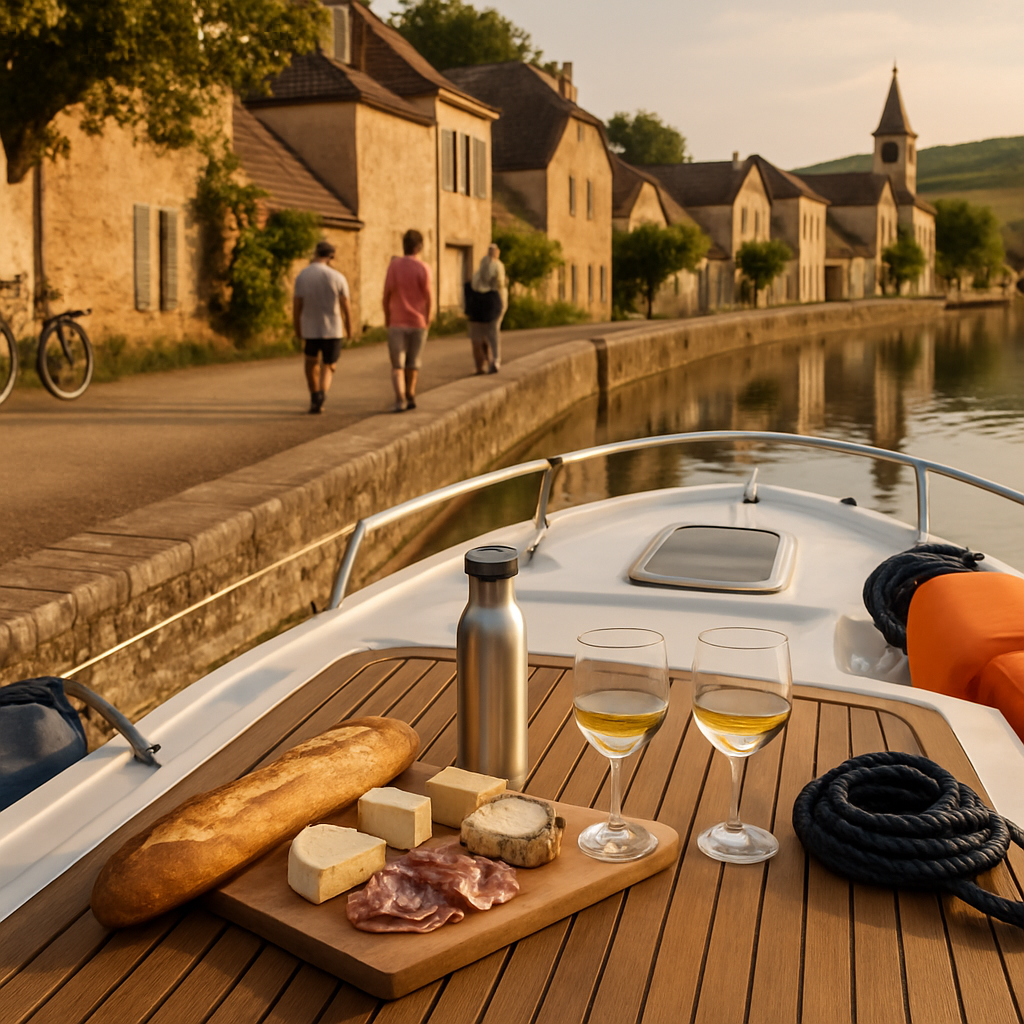
Decide whether you’ll self-cater (fun and economical) or use local deliveries/linen services. Make a provisional meal plan to avoid overpacking and ensure you stock local specialties—this is Bourgogne, after all, so leave space for local cheese and charcuterie.
Choosing the Right Houseboat for Bourgogne Waters
Picking the right boat is one of the most important parts of planning houseboat vacations. Match the vessel to your route, group size and how much “home” comfort you want.
Boat Types Explained
- Canal cruiser: Compact, easy to handle, shallow draft—perfect for narrow canals and locks in Bourgogne.
- Motor yacht / Barge: Bigger living areas, more stable on rivers, ideal if you want more room or plan river sections.
- Converted barge (gîte flottant): Often luxurious with multiple cabins—great for groups who want comfort over maneuverability.
Practical Specs to Check
When evaluating boats, ask about draft (important for shallow stretches), beam (width affects passing and mooring options) and headroom. Also check sleeping configurations: fixed double beds are convenient, but convertible saloon berths give flexibility for larger groups.
Amenities You’ll Actually Use
Most people care about heating, hot water, refrigeration and a practical galley. Air conditioning is rare on many canal-focused boats, so double-check if you plan a high-summer trip. Other extras to consider: bicycles, Wi‑Fi, and whether linen is included.
Accessibility and Handling
If anyone in your party has limited mobility, prioritize boats with shallow steps and wide walkways and confirm accessibility features before booking. Also, if you’re new to boating, choose a model labelled “easy to handle” and insist on a hands-on briefing at handover.
What to Pack for a Bourgogne Houseboat Trip
Packing for a boat is an art: limited space calls for smart choices. Prioritize versatility and items that fit well into waterproof or soft storage.
Clothing and Footwear
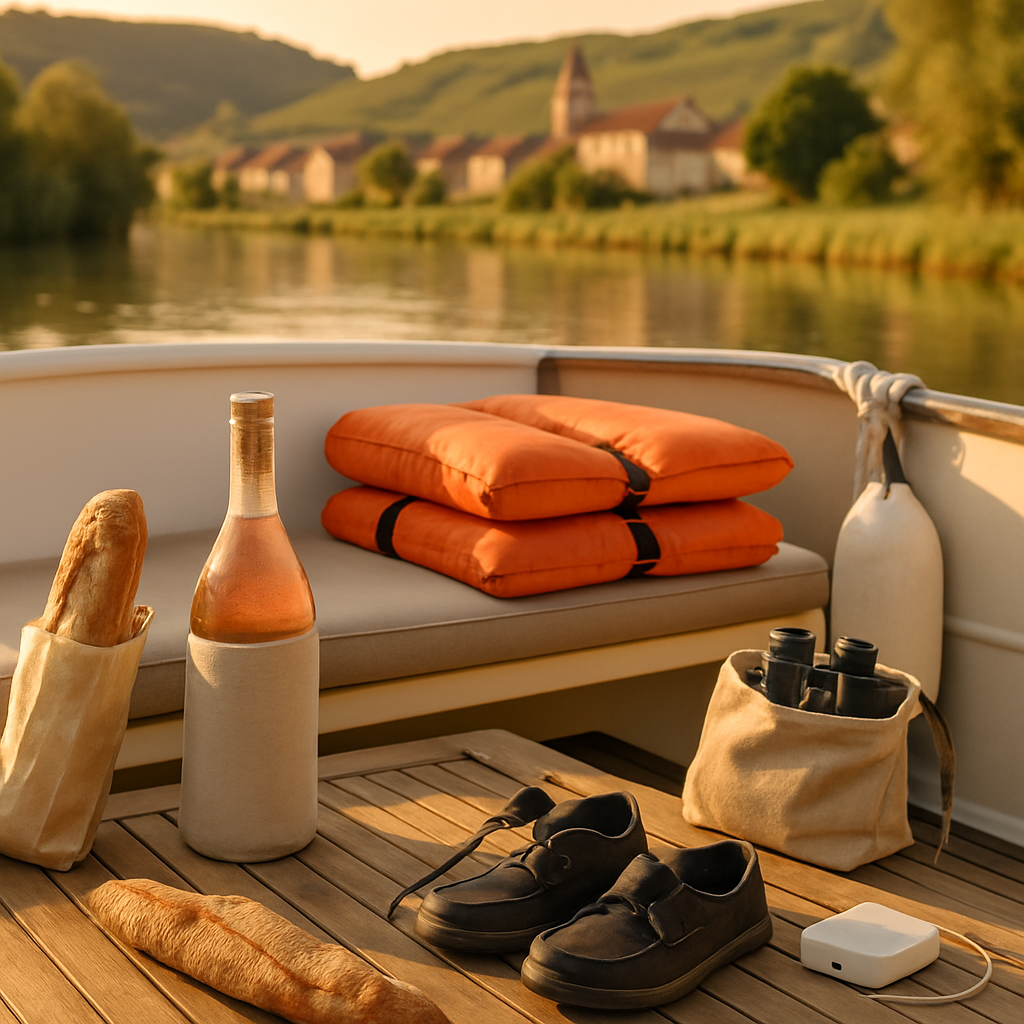
Layering is the name of the game. Pack t-shirts, a few long-sleeved shirts, a warm fleece or sweater, and a lightweight waterproof jacket. For shoes, bring non-marking deck shoes with good grip and a pair of comfortable sneakers for cycling and walking. Summer? Sunhat and sunglasses. Shoulder seasons? Thermal layers and a hat for cool mornings.
Sleeping, Linens and Comfort Items
Many companies include linen, but if you have a preferred pillow or travel blanket, bring it. A small eye-mask and earplugs can be surprisingly useful when sleeping in a town quay with late-night life.
Kitchen Staples
Bring basics: salt, pepper, a few spices, coffee/tea, oil, and a can opener if needed. Zipper bags, cling film and refillable water bottles save space and reduce waste. If you love to cook, pack your favorite lightweight knife and a compact chopping board.
Electronics, Documents and Small Essentials
Take chargers, plug adapters for French sockets, and a portable power bank. Carry printed booking confirmations and copies of important documents (ID, boat paperwork) in a waterproof folder. Binoculars and a good camera will keep memories sharp—plus they’re handy for spotting wildlife and reading distant châteaux plaques.
Safety and First Aid
Bring a basic first-aid kit, motion-sickness remedies if anyone is prone to it, a torch/headlamp and spare batteries. Ask the operator what’s already on board—you may not need to double up on safety equipment.
Budgeting, Timing, and Seasonal Considerations
Money and timing influence the flavor of your trip. With a few smart choices, you can tailor costs without giving up the experience.
Where the Money Goes
Budget items: boat rental (daily or weekly rates), fuel (often billed after the trip), mooring fees at private marinas, lock or transit fees where applicable, cleaning and linen fees, security deposit, and travel to/from the base. Then add food, dining out, bike hire, and tours.
Seasonal Trade-Offs
Peak season (mid-June to August) brings warm weather and lively towns, but also higher prices and more traffic on popular canals. Late spring (May–June) and early autumn (September–October) usually offer milder weather, autumn colors, and quieter waterways. Winters are quiet and some services close—great for solitude if you’re prepared for cooler temps and limited facilities.
Timing Tips and Local Events
Check local festivals, markets and harvest events—Bourgogne’s wine calendar can add magic but also higher local demand. If you want calm moorings, try midweek cruising or avoid major local festivals.
Length of Trip and Pace
A one-week charter often hits the sweet spot: ample time to cruise, stop, and explore. If you have less time, concentrate on a single canal stretch and plan precise mooring stops to minimize stress.
Safety, Regulations, and Local Tips on Bourgogne Rivers
Safety is non-negotiable. Bourgogne waterways are well-managed, but knowing the rules and a few local customs saves hassle and keeps everyone happy.
Basic Rules and Etiquette
- Follow posted speed limits and respect no-wake zones; protecting canal banks matters for local communities and wildlife.
- Always listen to lock-keepers and follow their instructions. If there’s no lock-keeper, use common sense: slow your engine, secure fenders, and keep lines handy.
- Use official moorings when available. Avoid tying up on private property unless you’ve asked permission.
Environmental Best Practices
Never dump black water or garbage into the canals and rivers. Use marina disposal points and reduce chemical use on board. Simple choices—reusable water bottles, recycling when possible—help keep Bourgogne beautiful.
Emergency Preparedness
Know where lifejackets are stored and how to use them. Make sure the boat’s fire extinguisher is accessible, and familiarize yourself with the engine cut-off and bilge pump. Keep a charged phone and note local emergency numbers before departure.
Local Courtesies and Language Tips
Residents along the canals appreciate politeness. Keep noise down when moored near houses and towpaths. A few French phrases go a long way: “Bonjour,” “Merci,” “S’il vous plaît,” and “Où est le port?” If you can, learn to say “We’ll be moored until evening” (Nous mouillons ici jusqu’au soir) — small efforts make locals smile.
Frequently Asked Questions (FAQ)
Do I need a boat license to rent a houseboat in Bourgogne?
No, for most self-drive houseboats in Bourgogne you don’t need a formal boating license, but operators almost always give a hands-on briefing and require you to demonstrate basic handling skills during handover. Some larger or more powerful vessels may have restrictions, and international rules can vary—so always check with your rental company before booking. If you’re unsure of your confidence level, consider hiring a skipper for the first day (or whole trip) so you can relax and learn at your own pace.
When is the best time to plan a houseboat trip in Bourgogne?
That depends on what you want: warm summer days and lively events (mid-June to August), or quieter canals, pleasant temperatures and autumnal vine colors in late spring and early autumn (May–June, September–October). If you prefer solitude and lower prices, shoulder seasons are ideal. For a detailed seasonal breakdown to match your travel mood, check our seasonal guide—it’ll help you pick dates for either sunshine and markets or slower, reflective cruising.
How much should I budget for a week-long houseboat vacation?
Costs vary based on boat size, season and extras. Expect weekly rental rates to be the biggest chunk, plus fuel (often billed at the end), mooring and lock fees, provisioning, and any extras like bikes or transfers. As a rough ballpark, plan for rental + 10–20% additional costs for fuel, food and incidentals. Use a budgeting checklist to decide where to splurge—on wine tastings or private tours—and where to save, like self-catering for most meals.
What are the most important items to pack?
Pack layers, non-marking deck shoes, a waterproof jacket, and basic toiletries. Bring chargers, a small first-aid kit, and a waterproof pouch for documents. If your operator doesn’t include linen, add that to your list. For a full, practical packing checklist that separates essentials from luxuries, consult our packing guide—it’ll stop you from overstuffing and help you prepare for both sunny afternoons and cool mornings.
Is a houseboat holiday safe for families with young children?
Yes, many families safely enjoy houseboat holidays in Bourgogne, but you’ll need to be vigilant around water and locks. Keep lifejackets on hand, supervise young children on deck, and pick a family-friendly boat with secure guardrails and easy cabin access. Discuss child-safety features with your rental company and plan shorter cruising days to avoid tired, fussy evenings.
Can I bring my dog on board?
Many operators welcome dogs—often for a small fee—because canal cruising is a great holiday for pets. Confirm pet policies in advance (some boats limit size or breed), and bring a leash, pet bedding and a small bowl. Also plan mooring stops with nearby walks so your dog can stretch and enjoy the countryside with you.
Where can I moor overnight and do I need permission?
You can usually moor at official quays in towns, at designated moorings, or on countryside banks allowed by local regulations. Always avoid private property without permission and use clearly marked spots. In busy areas, early arrival is wise to secure a good spot. For wild mooring, check local rules—some stretches allow you to stop for a night, while others are restricted to protect wildlife and private landowners.
How does fuel billing work, and when should I refuel?
Fuel is often billed after your trip based on actual usage or a fuel top-up at return. To avoid stress, refuel before you’re close to empty—especially before long river stretches where refuelling points may be fewer. Keep a simple log of hours or kilometres and check fuel policy with the operator so there are no surprises on checkout.
What if weather or a waterway closure disrupts my plans?
Weather and closures happen. Build flexibility into your itinerary and keep contact details for your rental company handy—they’ll advise on closures, alternative routes and emergency help. Good travel or charter insurance can cover cancellations or unexpected costs; read policy terms carefully. If conditions look rough, don’t push on—safety and waiting for clear conditions are always the right call.
Can I learn to pilot the boat during handover, or should I hire a skipper?
During handover you’ll get a practical briefing and time to practice basic manoeuvres. Most first-timers become comfortable after an hour or two of guided practice. If you don’t want the responsibility, or if you anticipate tricky waterways, hire a skipper for part or all of the trip. A skipper lets you relax, learn at a gentle pace, and enjoy the scenery while someone experienced handles locks and tighter passages.
Expert Guidance from Bourgogne Marine: Planning Checklist
Here’s a compact, practical checklist from Bourgogne Marine to keep your Planning Houseboat Vacations on track. It’s arranged by timeframe so you can tick boxes without feeling overwhelmed.
- 6–12 months before travel
- Choose your route and preferred base (e.g., Auxerre, Dijon, Chalon-sur-Saône)
- Reserve the boat and confirm what’s included (linens, briefing length, handover time)
- Check passports/IDs and arrange travel to the base
- 4–8 weeks before
- Book extras (bicycles, transfers, wine tours) and provision deliveries if desired
- Buy travel and boat insurance; review damage deposit terms
- Create a flexible itinerary, including alternatives for moorings and weather delays
- 1–2 weeks before
- Print and pack documents: booking confirmations, boat paperwork, emergency contacts
- Double-check weather and local waterway notices
- Pack essentials and prepare a small medical kit
- Day of departure
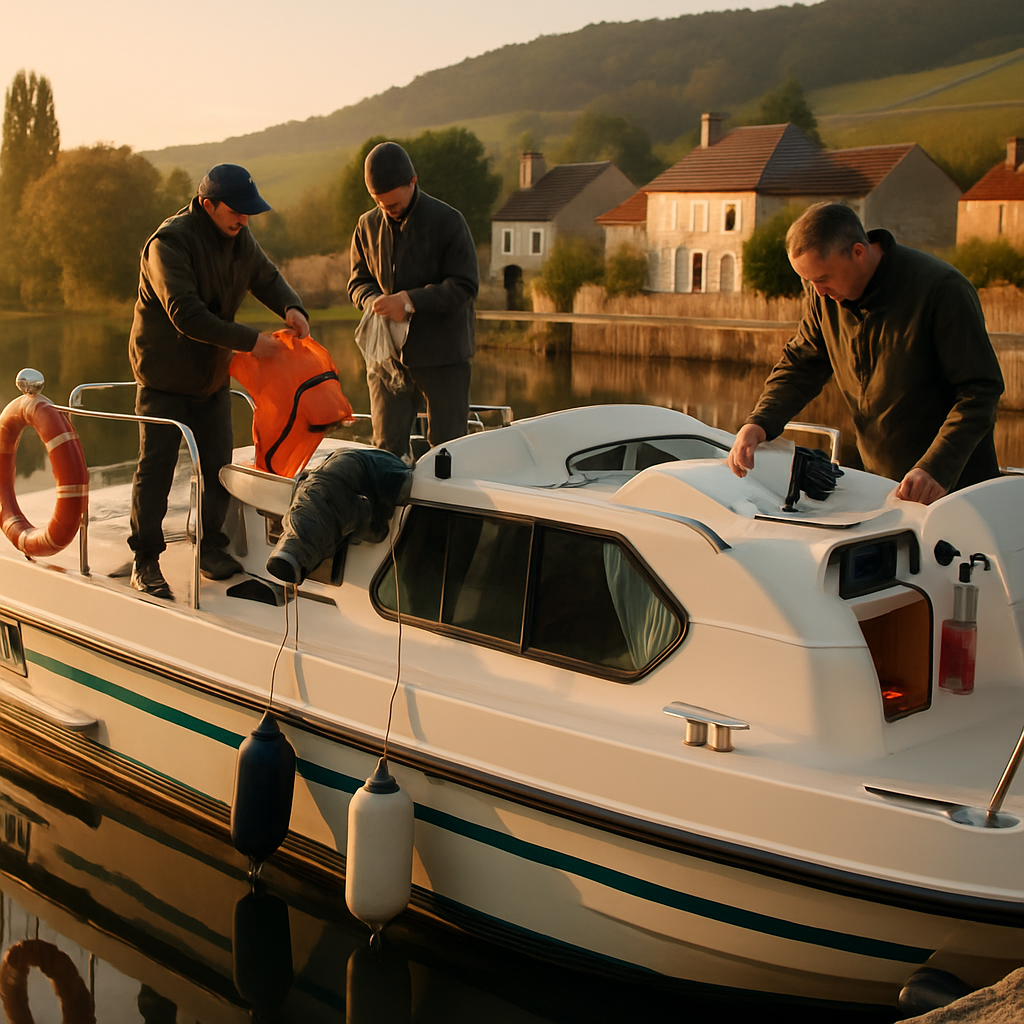
- Arrive early for a full handover and practice maneuvering in calm waters
- Inspect the boat with staff and note any pre-existing damage
- Test lights, horn, engine and bilge pump before leaving
- During your cruise
- Keep fuel topped up and track consumption
- Use mooring lines and fenders correctly; respect towpath users
- Log daily mileage, fuel, and any issues for easy handover at return
- Return & post-trip
- Follow the agreed cleaning routine to avoid extra fees
- Complete the check-out with staff and obtain deposit release confirmation
- Leave feedback and note improvements for next time
Final Tips and Common Pitfalls to Avoid
Before you go, here are a few tried-and-true tips from seasoned houseboaters:
Don’t Overplan Every Minute
The beauty of Planning Houseboat Vacations is the flexibility. Leave wiggle room. If you find a market you love, stay. If a lock delays you, don’t panic—enjoy the pace.
Practice Knot-Tying and Mooring Techniques
Knowing one or two simple knots and how to handle ropes makes mooring less stressful. Practice a cleat hitch and a spring line—these are the workhorses of canal mooring.
Keep Fuel in Mind
Engines on larger boats can sip through tanks faster than you think, especially if you’re cruising longer river stretches. Refuel earlier rather than later—running low is avoidable and stressful.
Be Kind to Locals and Fellow Boaters
Friendly behavior goes a long way. Say hello, be quiet at night near houses, and respect towpath users—walkers and cyclists share the same idyllic route you’re enjoying.
Wrap-Up
Planning Houseboat Vacations in Bourgogne is part logistics, part romance—and a lot of freedom. Start with realistic plans, choose the right boat for your group, pack smart, and treat local waterways with respect. Do that, and you’ll have a trip full of sunlit lunches, cozy quayside evenings and plenty of “remember when” moments. If you want, Bourgogne Marine can help with route suggestions, printable maps, and seasonal tips tailored to your travel dates. Ready to set off? The canals are calling—and they’re patient.