Discover, Pack, and Relax: Your Foolproof Guide to On-Board Living and Boating Essentials for a Blissful Bourgogne Houseboat Trip
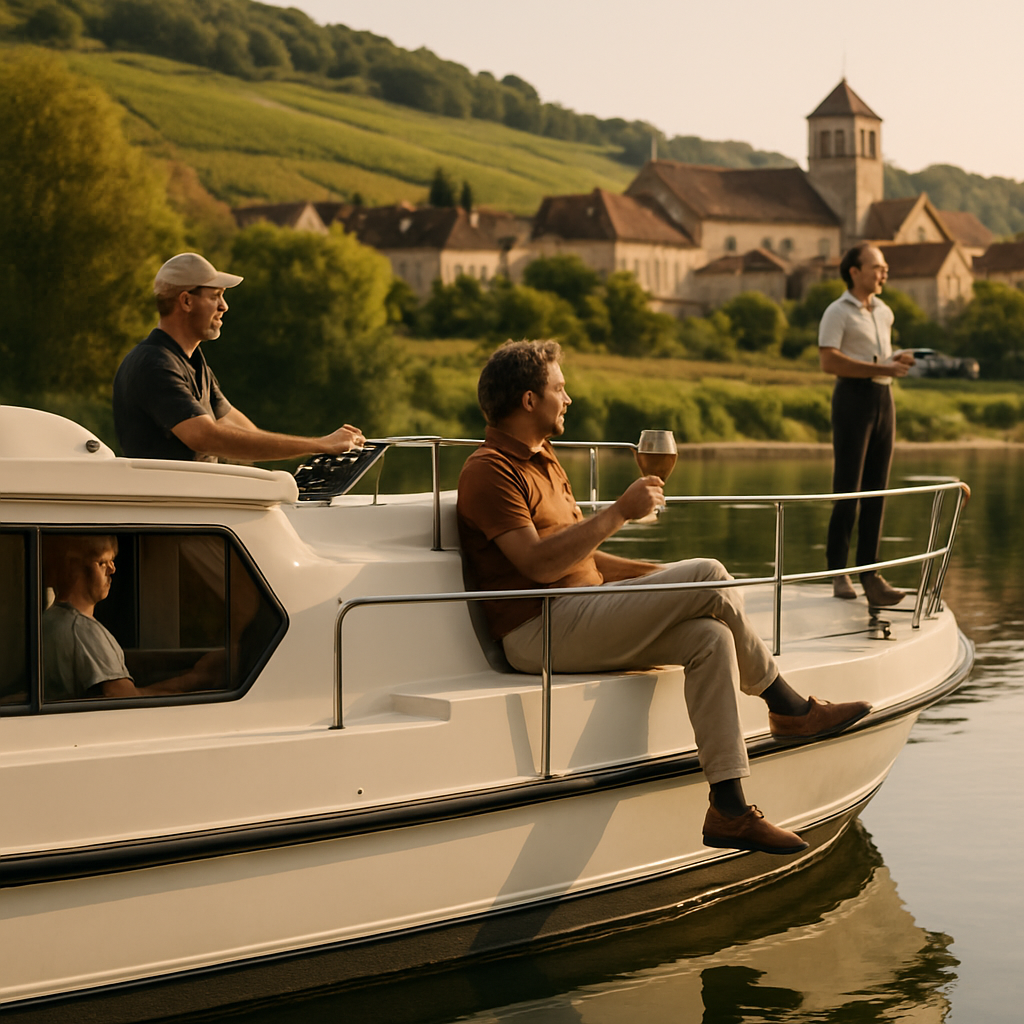
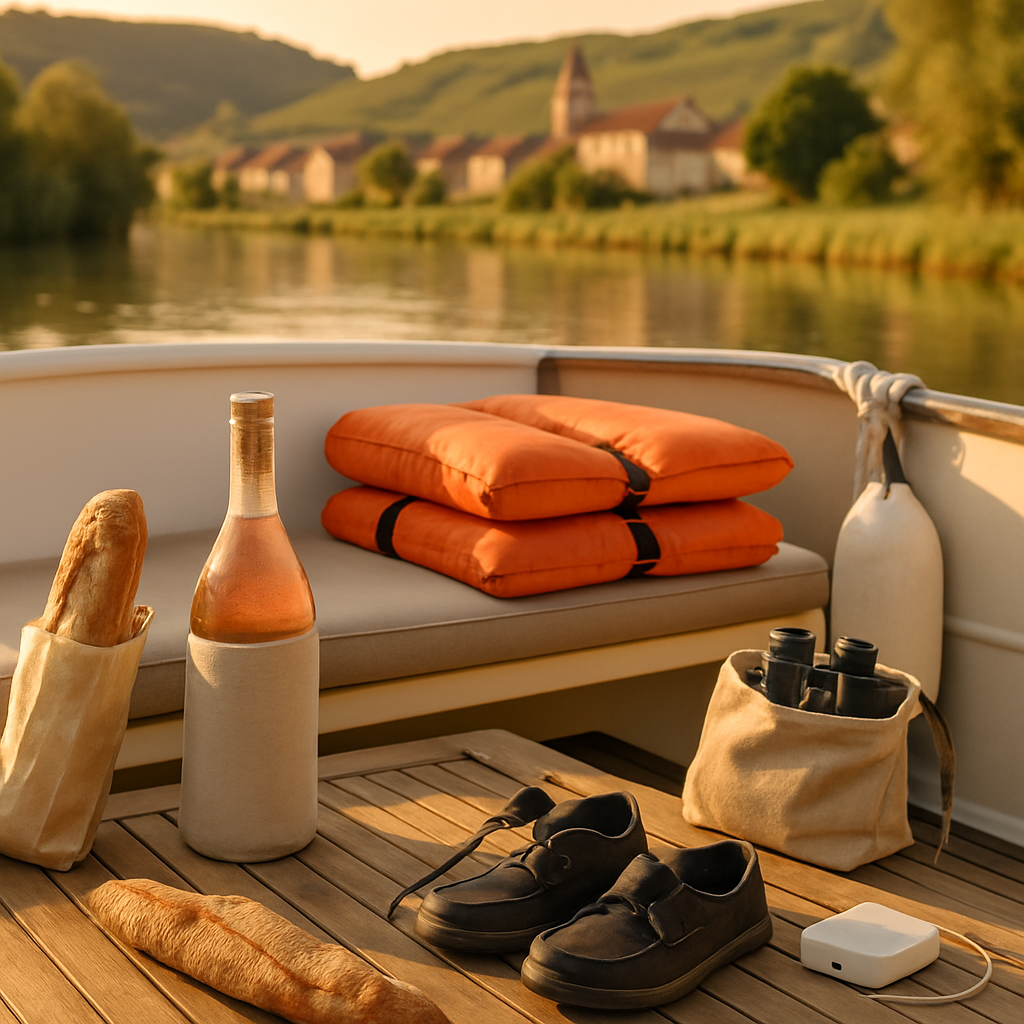
Imagine cruising slowly through Burgundy’s quiet canals, the sun warming your face, and a baguette plus a bottle of chilled rosé within arm’s reach. Sounds idyllic, right? But a few smart choices before you cast off make the difference between a charming escape and a day spent chasing lost sunglasses and drained batteries. This guest post will walk you through On-Board Living and Boating Essentials so you arrive prepared, stay comfortable, and enjoy every lock, village and vineyard on your Bourgogne Marine adventure.
If you want a central hub for further reading and trip inspiration, check the main site at bourgogne-marine.com, where you’ll find practical guides, regional tips and curated itineraries. The site collects local knowledge—perfect for getting to know Burgundy beyond the postcard views. It’s a friendly place to bookmark before you leave: articles there often include seasonal updates, recommended moorings and little-known stops that really make a trip memorable.
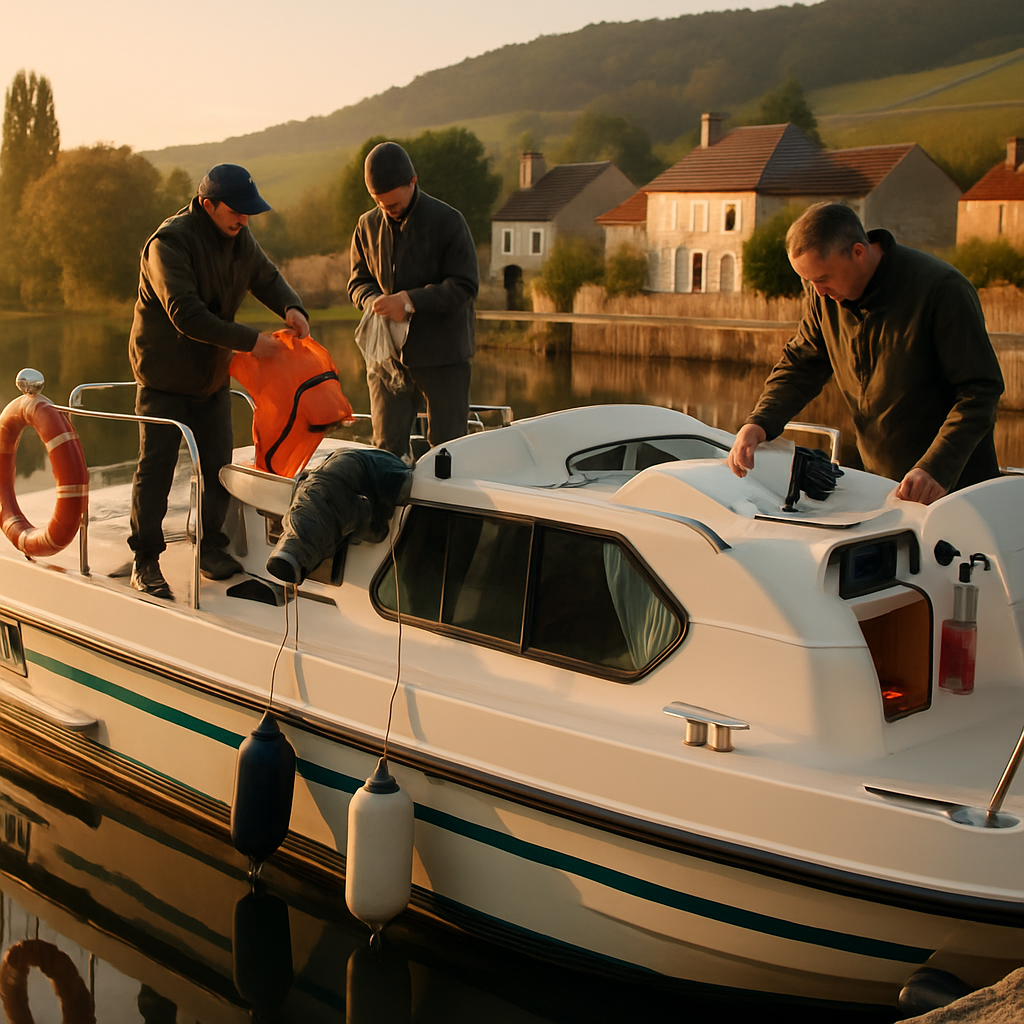
For hands-on techniques on handling lines, fenders and tricky berths, the guide on Docking, Mooring, and Tie-up Techniques is a practical companion. It walks you through step-by-step procedures that are approachable even for beginners, helps you avoid common mistakes at busy quays, and explains how to adapt when water levels or currents throw a curveball. A calm approach and a little practice go a long way to keeping everyone calm and safe.
When it comes to staying connected and safe, you’ll want to read up on the right gadgets on the Navigation Gear and Communication Tools page. It covers VHF basics, reliable handheld GPS options, and sensible communication backups when cell signal is patchy. Knowing which tools to trust—and how to use them—reduces stress and helps you stay in touch with marinas and local services should you need assistance.
Keeping your lights on and the fridge cool requires a little planning; the article about Power Systems and Battery Maintenance explains battery types, inverter limits, and simple habits that extend run-time. Learn how to monitor battery state-of-charge, avoid deep discharges, and use shore power effectively. Small changes—like switching to LED lighting and using a power bank—can preserve your onboard comfort without drama.
Planning meals for a week afloat is easier than you think when you follow the tips in Provisioning and Storage for Weeklong Trips. That post outlines menu ideas that travel well, smart packing techniques to reduce waste, and how to organize limited galley space so meal prep is quick and enjoyable. It’s about making good food simple: fresh local finds plus a few staples go a long way to a relaxed cruising kitchen.
One final, often-overlooked area is sanitation: the short primer on Water Management and Waste Solutions gives sensible advice on conserving fresh water, routine checks for plumbing, and using marina pump-out services responsibly. Keeping holding tanks in order and minimizing gray-water impact keeps waterways cleaner and prevents surprises on return. It’s practical, considerate, and good seamanship—exactly what you want on a Bourgogne trip.
On-Board Living and Boating Essentials: What to Pack for a Bourgogne Marine Houseboat Adventure
Packing for a houseboat trip feels a bit like preparing for a small, floating apartment—except with waves and locks. You want to travel light, but you also want to be ready for weather swings, kitchen quirks and small emergencies. Focus on multipurpose items and essentials that are hard to replace once you’re between moorings.
Personal documents and admin essentials
First things first: keep all your paperwork in one waterproof folder. You’ll need your ID or passport, the rental contract, proof of insurance if provided or required, and emergency contact details. Take photos of these docs and save them offline on your phone, just in case.
Clothing and footwear
Bourgogne can surprise you. Mornings often start cool and misty, afternoons can be warm, and evenings brisk. Pack layers. A light fleece, a windproof shell, and a compact waterproof jacket will go a long way. Footwear? Non-marking, slip-resistant shoes are a must for wet decks. Throw in sandals for lounging and a pair of gloves for handling ropes.
Galley and provisioning basics
Your onboard kitchen is likely compact. Think small, efficient and tasty. Bring quality staples—olive oil, salt, pepper, coffee or tea, a few favorite spices—and plan meals that work with limited counter space. A sharp knife, small cutting board and a pot that doubles as a serving bowl will save space and friction.
Health, hygiene and comfort items
Don’t forget prescription meds plus a basic first-aid kit. Motion-sickness tablets are worth carrying even if you don’t usually need them; canals can feel bumpier in locks. Pack quick-dry towels, biodegradable soap, insect repellent, and sunscreen. Little comforts—earplugs, an eye mask, or a travel pillow—improve sleep aboard.
Entertainment and extras
Bring a compact pair of binoculars for birding and scenic views, a selection of physical games or playing cards, and a playlist downloaded for offline listening. A portable charger and spare cables are lifesavers when shore power isn’t immediately available.
Smart Space Management: On-Board Living and Boating Essentials for Compact Bourgogne Houseboats
Space on a houseboat is limited—embrace it. With smart organization, you’ll free up room for relaxation and reduce the daily chaos that comes with small living spaces.
Pack for multi-functionality
Choose items that do double duty. A sarong can be a beach blanket, curtain or shawl. A collapsible bowl is a salad bowl at lunch and a small sink basin for washing up. Pack clothes that mix and match; neutral palettes work best in small wardrobes.
Use every centimeter wisely
Vertical space is your friend. Hooks on bulkheads, hanging shoe organizers and magnetic strips for utensils use otherwise wasted space. Soft-sided luggage compresses into corners better than hard suitcases. Label clear bins so you can see at a glance where everything is.
Kitchen organization that saves time
- Pre-portion staples into resealable bags for quick meals.
- Keep daily-use items in an easy-to-reach caddy.
- Use stackable containers and collapsible strainers to minimize clutter.
Daily tidy rituals
Adopt a five-minute “end-of-day reset”: wipe counters, secure loose objects, close hatches and stash charging cables. It’s quick and prevents those annoying mid-cruise scavenger hunts.
Safety First: On-Board Living and Boating Essentials You Should Never Skip (Bourgogne Marine Guide)
Safety isn’t optional. When you’re floating through locks, navigating narrow channels, or mooring beside sleepy villages, predictable routines and the right gear keep everyone smiling and safe.
Lifejackets and flotation
Always have properly fitting lifejackets for each passenger and ensure kids and pets wear them when moving about the fore or aft deck. A lifejacket packed away is useless; keep them accessible.
Fire, first aid and basic repairs
Check that fire extinguishers are in their holders and within date. Your first-aid kit should include antiseptic wipes, bandages, blister pads, antihistamine and pain relief. Throw in a small toolkit: pliers, screwdrivers, spare fuses, and a roll of marine-grade tape.
Navigation and communications
Don’t rely solely on your phone. Carry paper charts or printed route notes, and learn the basics of the VHF radio if your boat has one. Save local emergency and marina numbers in your phone and on a laminated card.
Lock and berthing procedures
Before you approach a lock, prepare lines and fenders, assign roles, and brief everyone on safety. Keep a glove handy for ropework and ensure children are always supervised. Approach moorings slowly and communicate clearly—simple signals avoid awkward tangles.
Tech, Power, and Comfort: On-Board Living and Boating Essentials for Modern Houseboats on Bourgogne Waters
Modern houseboats can be surprisingly well-equipped: fridges, lighting, heating and sometimes Wi‑Fi. Still, power management is critical. If you drain batteries chasing convenience, the shower and the lights might be the first to go.
Understand the boat’s power setup
Ask your rental operator about battery capacity, inverter wattage and how long typical devices can run on battery alone. Shore power is a luxury—use it when offered, but don’t count on it being available everywhere. Small solar panels and a decent power bank are good insurance.
Energy-smart habits
- Charge devices during shore power or while the engine is running (if that’s safe and advised).
- Use LED lights and a smart approach to heating—short bursts are more efficient than continuous high settings.
- Avoid high-wattage appliances unless you’re plugged into shore power.
Comfort systems and climate control
Heaters, diesel or electric, vary widely. Learn how yours operates before nightfall. For summer trips, keep vents and hatches arranged for cross-ventilation; condensation is reduced when air can move freely. Small fans can make cabins more comfortable than blasting a noisy, power-hungry AC unit.
Connectivity tips
Cell coverage in Bourgogne is generally decent but not guaranteed. Download maps and entertainment for offline use. If you need constant connectivity, consider a local SIM or a portable hotspot—just be ready for patchy coverage in remote stretches.
Seasonal Packing and Maintenance: On-Board Living and Boating Essentials for Bourgogne’s Climate
Bourgogne’s seasons each bring a different vibe: spring blossoms and occasional fog, summer warmth and lively marinas, calm autumn colors, and a quieter winter. Pack and plan accordingly.
Spring and autumn considerations
Bring warm layers and waterproofs. Spring can mean higher water and debris, so check water intakes and strainers. Autumn evenings chill quickly—extra blankets make a big difference.
Summer advice
Sun protection and hydration are essential. Mornings are ideal for cruising to avoid heat and busy moorings. Watch out for shallow spots during drought years and plan routes with reliable water depth information.
Winter and off-season precautions
If you’re boating in colder months, confirm that heating systems are fully functional and antifreeze protections are in place for sensitive systems. Many marinas reduce services in winter, so check opening hours for fuel and pump-out facilities.
Maintenance checklist for smooth trips
- Daily: Check bilge, fuel and water levels; inspect ropes and fenders.
- Weekly: Test batteries, navigation lights and engine oil levels.
- Before return: Clean, empty holding tanks if requested, and report any issues to your rental company.
From Dock to Deck: Practical On-Board Living and Boating Essentials for Your Bourgogne Marine Experience
Getting on and off the boat should be stress-free. A little preparation at the dock sets the tone for the whole trip. Below are practical sequences to help you move smoothly from arrival to mooring—and back again.
Arrival and briefing routine
On arrival, perform a quick exterior inspection and photograph any pre-existing damage. Confirm fuel and water levels with the rental staff and participate fully in the safety briefing. Test the engine briefly at the dock so you know how she sounds and behaves before you head out.
Mooring and approaching tips
Approach moorings slowly. Use fenders and deploy them early. Communicate—simple commands like “stop,” “forward,” and “hold lines” keep everyone coordinated. Tie off with enough slack to accommodate changing water levels, and check lines after the boat settles.
Daily routines to enjoy more
- Morning: Ventilate cabins and check engine oil and bilge before departure.
- Before locks: Assign roles, put on gloves, and pre-position lines and fenders.
- Evening: Secure the boat, double-check mooring lines, and run a quick tidy-up so mornings are calm.
Departure and handover best practices
Before you turn the keys in, clean the galley, remove all personal items, and top up consumables if required. Walk through the boat with the rental agent—clear communication and honesty usually make returns quick and painless. Leaving a short note about any quirks helps the next guests, and it’s just good karma.
Concise Pack & Prep Recap
- Documents: ID, rental contract, insurance, emergency contacts.
- Clothing: layers, waterproofs, non-marking shoes, gloves.
- Safety: lifejackets, fire extinguisher, first-aid kit, tool kit.
- Kitchen: compact cookware, staples, biodegradable soap.
- Tech: chargers, power bank, offline maps, VHF/mobile numbers.
- Maintenance: daily bilge and oil checks, battery monitoring.
Final Thoughts: Make On-Board Living and Boating Essentials Work for You
Houseboating in Bourgogne is about slowing down, tasting local food, and watching the landscape change as you glide along. The goal of preparing an On-Board Living and Boating Essentials list is not to create a burdensome checklist, but to give you confidence. When you’re confident, you relax. And when you relax, you notice more: the chirp of swallows at dawn, the smell of wet earth after rain, the quiet of a village street at noon.
Frequently Asked Questions (FAQ)
What are the absolute safety essentials I must have onboard?
You should always have properly fitting lifejackets for everyone, a working fire extinguisher, a stocked first-aid kit, and a basic toolkit with spare fuses and marine tape. Keep a VHF or a charged mobile phone for emergencies and a laminated list of local emergency numbers. It’s the small, reliable things that make a big safety difference—gloves for line handling and non-slip shoes, for example.
Do I need a boating licence to rent and pilot a houseboat in Bourgogne?
It depends on the vessel. Many modern rental houseboats in Bourgogne are designed for licenceless operation and are marketed as “no-license” craft, but some larger or more powerful boats may require a licence. Always check the rental company’s rules before booking. Even if no licence is needed, a short training session and comfort with basics—steering, stopping, and lock procedure—are strongly recommended.
How hard are locks and can beginners handle them?
Locks look scarier than they are. With a short briefing and a calm approach, most beginners manage fine. Assign roles—one person tends lines, another handles fenders—and communicate clearly. Use gloves for ropework and prepare lines before entering the lock. If you’re unsure, ask for assistance from lock keepers or neighboring boaters; locals are usually happy to help and it’s a great way to learn.
How much food and provisioning should I bring for a week?
For a week, plan for simple meals that use few fresh ingredients and store well: pasta, rice, canned tomatoes, cured meats, cheese, and salad fixings. Top up with fresh bread and produce from local markets when you stop. The guide linked above on provisioning shares clever packing tricks—pre-portion staples and use airtight containers to reduce waste and save space.
How do I handle water, greywater and sewage while on board?
Conserve fresh water by taking shorter showers and using a basin for dishwashing. Most boats have holding tanks for sewage—use marina pump-out stations where available and never discharge untreated sewage into the water. Dispose of rubbish at staffed marinas and follow local rules for recycling. It’s respectful and keeps the waterways pleasant for everyone.
How can I manage power so I don’t run out of battery?
Prioritise charging essentials during shore power or while the engine is running (if appropriate). Use energy-efficient LED lights and limit high-draw appliances when on battery power. Carry a high-capacity power bank for phones and small devices, and learn the boat’s battery monitors so you don’t accidentally deep-discharge the batteries. Small habits prevent awkward cold showers and dark evenings.
Can I bring my dog or other pets?
Many rental companies welcome well-behaved dogs, but rules vary. Check with your operator about extra cleaning fees, leash rules and whether they provide pet-friendly lifejackets. Bring your pet’s food, a familiar blanket, and a few supplies for dealing with muddy paws—canal banks can be lovely, but messy. If you plan to explore towns, remember local rules about dogs in restaurants and shops.
When is the best time to book a Bourgogne houseboat trip?
Late spring through early autumn (May–September) is the most popular for warm weather and open facilities, though July and August are the busiest. Early autumn is quieter and very pretty with harvest tones. If you like fewer crowds and don’t mind cooler nights, shoulder seasons give a calmer experience and better mooring options.
What if the boat has a mechanical problem while I’m cruising?
If something fails, secure the boat in a safe place if you can, turn off non-essential systems, and consult the operator’s emergency instructions. Contact the rental company immediately; they usually have roadside-style assistance for boats. Keep written emergency numbers and the rental company’s phone number in a visible place—on the galley bulkhead or laminated near the navigation station.
Is mobile signal and Wi‑Fi reliable on Bourgogne waterways?
Coverage is generally good near towns and on main canals, but in remote stretches and rural corners you may see gaps. Download maps and entertainment before you go. If steady connectivity matters, consider a local SIM card with data or a portable hotspot, but be prepared for occasional patchiness—use it as a chance to unplug and enjoy the scenery!
Ready to set sail? Pack deliberately, embrace simple routines, and let the beauty of Bourgogne do the rest. With the right On-Board Living and Boating Essentials, you’ll be free to savor every lock, bridge and riverside café. Bon voyage—and enjoy every slow, peaceful mile.