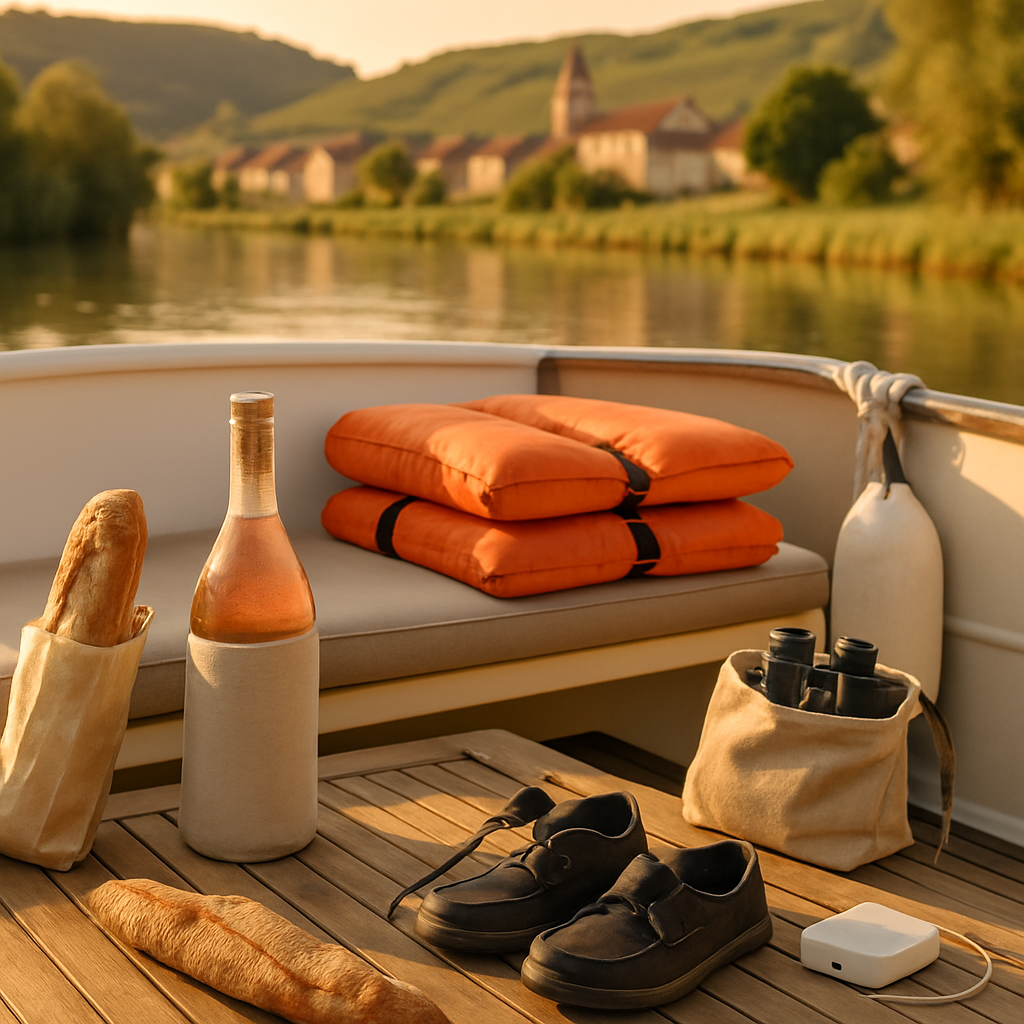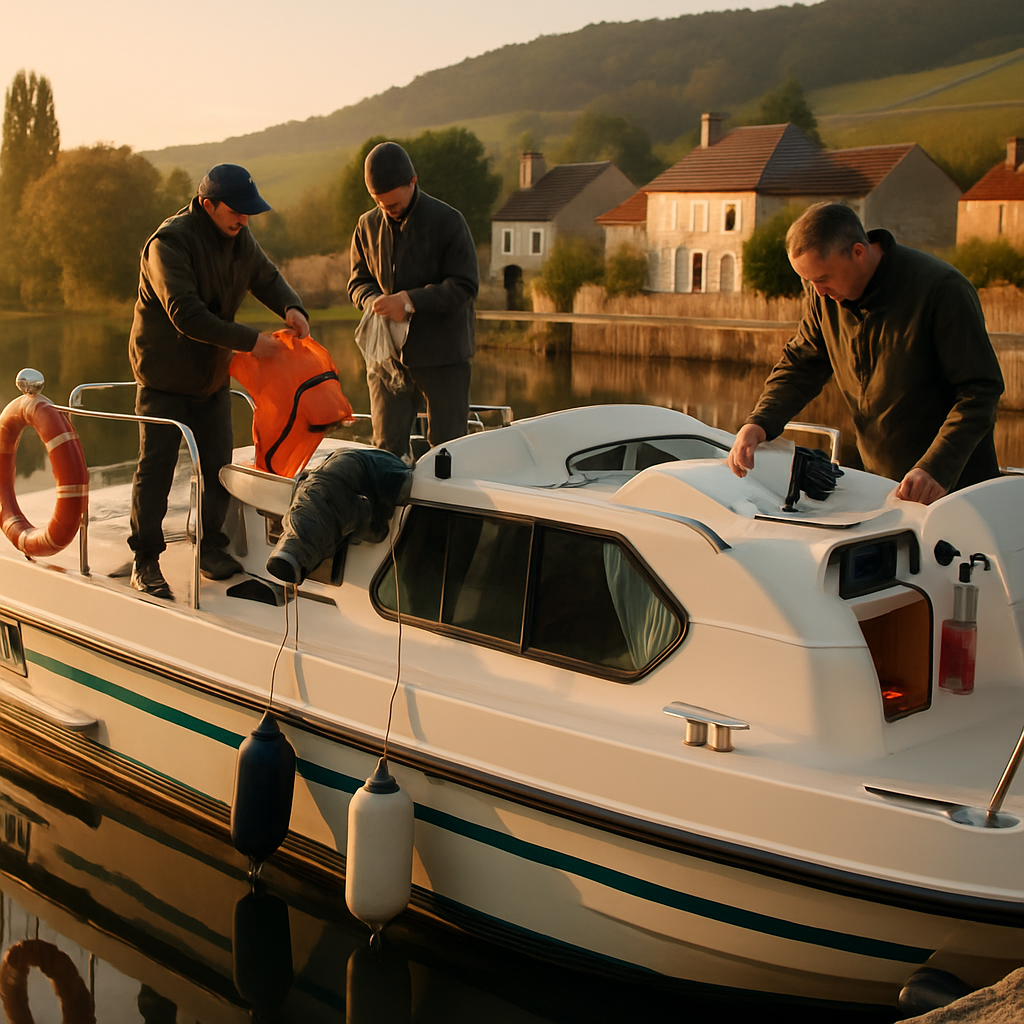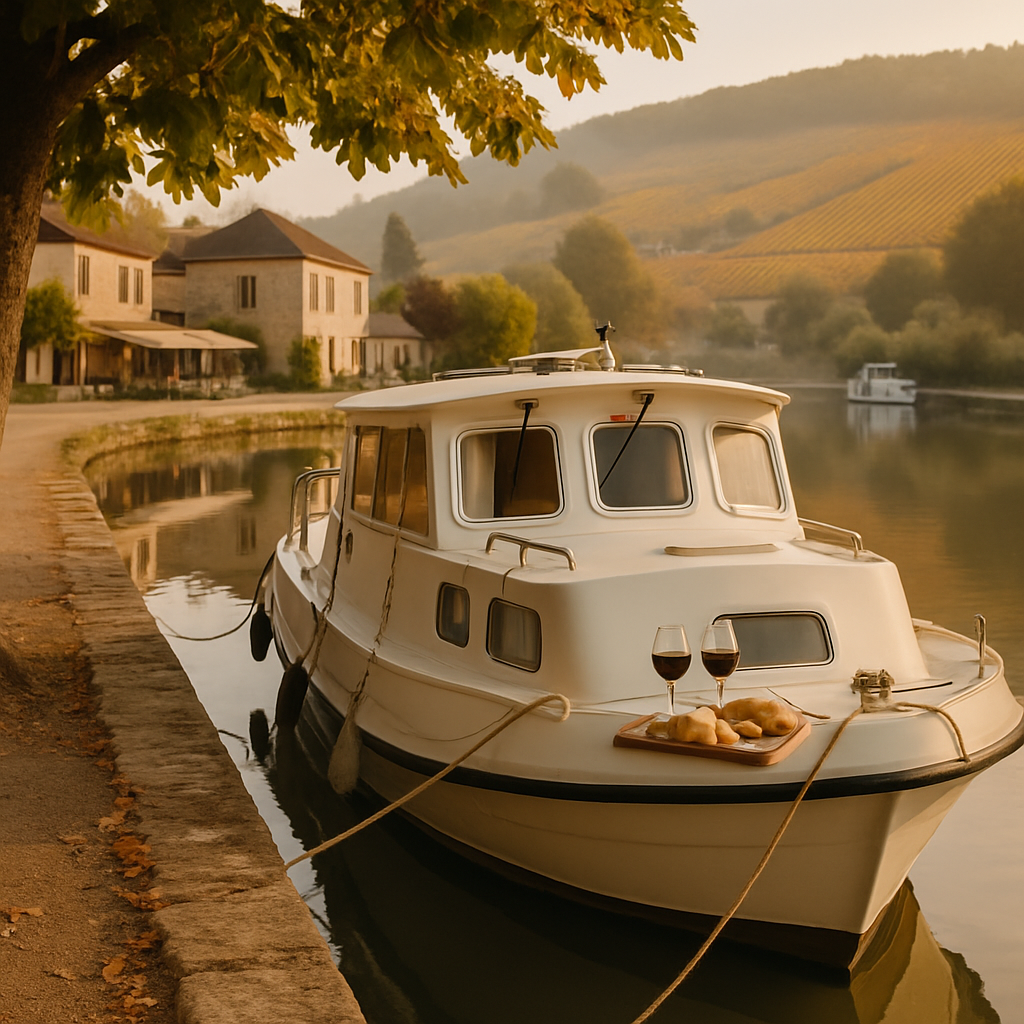
Imagine gliding past sun-drenched vineyards, tying up in a sleepy village for a late lunch of cheese and crusty bread, then drifting off to sleep to the gentle rocking of a canal mooring. If that sounds like your kind of escape, you’re probably wondering: what is the Best Time to Visit Bourgogne Canals? In this guide, you’ll get clear, practical advice to help you choose the perfect season, plan realistic routes, and pack like a pro so your houseboat holiday in Burgundy is effortless and unforgettable.
Best Time to Visit Bourgogne Canals
The short answer: it depends on what you want. Do you crave warm, lively days filled with festivals and busy markets? Summer is your friend. Do you want golden vineyards, quieter moorings and fantastic wine experiences? Aim for late September. Looking for solitude and a very different atmosphere? Winter can be magical if you prepare properly. Overall, for most visitors seeking a balanced mix of pleasant weather, open services and authentic local experiences, late spring (May–June) and early autumn (September) often represent the sweet spots—the Best Time to Visit Bourgogne Canals for a relaxed, scenic cruise.
Planning your finances early makes a huge difference in how relaxed your trip will feel. If you want to avoid last-minute stress and choose the right level of comfort, consider reading Budgeting Your Bourgogne Vacation for practical tips on fuel, mooring fees, provisioning, and seasonal price differences. This resource explains how to prioritise spending—whether on a larger boat, gourmet stops, or wine tastings—so you can enjoy the canals without watching every euro.
Getting your overall plan down on paper helps you travel with confidence and flexibility. A concise guide like Planning Houseboat Vacations walks through the main steps—booking, provisioning, route choices and what to expect from hire companies—so you can arrange logistics ahead of time and leave more room for spontaneous discoveries once you’re afloat. Reading a planning checklist reduces stress and frees you to savour the experience.
Choosing where to cruise is one of the most enjoyable parts of preparation, and the right itinerary transforms a good trip into an unforgettable one. Check out Selecting Houseboat Routes and Itineraries for sample schedules, daily distances and seasonal route suggestions tailored to Bourgogne’s waterways. That way, you can select a route that balances locks, sightseeing and time ashore without overreaching each day.
When to Plan Your Bourgogne Houseboat Vacation: Seasons and Climate
Let’s break the year down so you can match the season to your expectations. Burgundy’s climate is temperate continental: warm summers, cool to cold winters, and changeable springs. Microclimates exist between river valleys and vine-covered slopes, so local conditions can vary. Here’s what to expect month by month and how that affects cruising.
Spring (March–May)
Spring is a revival season. Buds appear in the vineyards, towpaths green up, and service stations and lock keepers come back to life after winter. March can still be raw; April and May bring milder, often sunny days. You’ll enjoy fewer crowds than in July, comfortable cruising and good opportunities for cycling along towpaths. Keep a waterproof layer handy—spring showers are normal—and don’t be surprised by chilly mornings on deck.
Summer (June–August)
Summer is high season and feels lively. Long days, warm evenings, and open terraces make it ideal for social cruising. Expect crowded moorings in popular towns and busier locks, especially on weekends. If you prefer a buzzing atmosphere, festivals and markets, and frequent cellar doors open late, summer delivers. Book early and be ready to plan around lock queues or pick quieter mid-week travel slots.
Autumn (September–November)
Autumn is romantic: harvest activity in the vineyards, crisp air, and beautiful foliage. September and early October are particularly attractive—temperatures remain mild and many restaurants and services still operate. This season is a top pick for food and wine lovers because of the vendanges (harvest). Later in autumn services reduce and some marinas cut back, so double-check opening times.
Winter (December–February)
Winter is quiet and introspective. Cold, frosty mornings and low winter light change the canals’ mood. Many hire companies either stop regular rentals or limit the fleet to winterised boats. Some locks and small services close for maintenance. If you relish solitude, comfort and planning ahead, winter can be a peaceful alternative—just make sure your boat has proper heating and you’ve confirmed all services before arrival.
Locking and Cruising: Navigating Bourgogne Canals Through Spring and Summer
Locks define the rhythm of canal travel. In Burgundy, locks can be manual, electric or staffed with a lock-keeper during busier months. Knowing how locking works and what to expect as seasons change will make your cruising smoother and less stressful.
How Locks Operate and What You’ll Do
Most locks require attention to fenders, ropes and sluices. If you’re new to locks, take a briefing from your hire company and watch a few first passages before taking charge. A single lock passage typically takes 10–25 minutes, including tying up, letting water in or out, and exiting. In staffed locks, the lock-keeper often helps; otherwise, you’ll work as a team with your crew. Don’t rush—safety beats speed every time.
Spring Locking Patterns
In spring, many locks return to full operation after winter maintenance. Water levels are generally healthy due to seasonal rainfall, and queues are shorter than in summer. It’s an excellent learning season for first-time boaters: calm traffic and friendly local lock-keepers make for patient training grounds.
Summer Locking Patterns
Summer brings steady staffing and predictable opening hours. But that comes with crowds: weekends and popular holiday weeks can create short waits. Plan realistic daily distances, factor in lock time and aim for mid-week cruising if you want fewer hold-ups. If you’re flexible, wake up early—the first hours are often the quietest and most pleasant for cruising.
Daily Distances and Realistic Pacing
Don’t overestimate how far you’ll go. Locks, shopping stops, vineyard visits and long lunches slow your average speed. Typical daily ranges:
- Short, chilled days: 10–15 km (6–9 miles) — perfect for exploring local sights and slow mornings.
- Moderate, comfortable pace: 15–30 km (9–18 miles) — lets you visit a town and still relax.
- Brisk days: 30 km+ (18+ miles) — doable, but expect long hours and fewer stops.
A good rule of thumb: aim for 3–4 hours of cruising daily if you want time ashore. Add more cushion during summer busy periods for potential lock queues.
Weather Windows and Scenic Highlights: Bourgogne Canal Cruises in Autumn
Autumn is arguably the most cinematic season in Burgundy. If photography, wine and quieter moorings appeal, this section explains why autumn often ranks as the Best Time to Visit Bourgogne Canals for a memorable sensory experience.
Harvest (Vendanges): Join the Rhythm of the Vineyards
The grape harvest is a special time. Vineyards buzz with activity and cellar doors open to tastings and tours. If you enjoy local culture, scheduling your cruise around harvest-friendly towns gives you a front-row seat to traditional vendanges. Small family domaines may welcome visitors—call ahead or ask at the tourist office.
Light, Colour and Photography Opportunities
Autumn light is warm and soft; mornings and evenings are golden. Vine rows redden and hedgerows go amber, producing excellent photographic contrasts against calm canal reflections. Misty mornings are atmospheric—wrap a scarf around your neck and bring your camera for those otherworldly shots.
A Quiet, Yet Open, Season
Early autumn offers the best of both worlds: many eateries and services remain open, but the crowds thin compared with August. Moorings become easier to secure and you’ll find more room to park for a night under a chestnut tree. Just be mindful that from late October some services begin to close for maintenance.
Winter Wonders on Bourgogne Canals: What to Expect and How to Prepare
Winter isn’t for everyone—and that’s part of its charm. If solitude, cosy evenings and dramatically quiet canals appeal, winter can be rewarding. But it takes planning and realistic expectations to avoid a cold, frustrated trip.
Boat Availability and Winterisation
Many hire firms reduce operations in winter. Those that remain active will provide winterised boats—better insulation, reliable heating (diesel or electric), and often extra blankets. Confirm heating type and hot water systems before you book. It’s worth investing in a properly winterised craft rather than trying to tough it out on a summer-only boat.
Weather and Ice Considerations
Large canals rarely freeze solid, but sheltered basins and narrow arms may develop surface ice. Keep in close contact with your hire company and local waterway authorities for updates. Roads to marinas can be affected by snow, so allow extra time for arrivals and departures.
Provisioning and Safety in Low-Service Periods
Shops and restaurants may be closed or have restricted hours. Stock up on essentials before setting out and carry spare fuel and battery support. Make sure you have proper lighting, a reliable heating source and a plan for emergency contact—phone service is generally good but always have printed local numbers and a basic tool kit on board.
Packing List and Preparation for Each Season on Bourgogne Marine
Packing smart means more comfort and fewer surprises. Below you’ll find practical checklists per season plus universal items you shouldn’t leave home without. Use them as a base and customise for your personal needs.
General Pre-Departure Checklist
- Booking confirmation, contact numbers for Bourgogne Marine and your hire operator
- Navigation docs, local waterway notices and boat manual
- Personal ID, driving licence (if required) and insurance papers
- Medical kit, regular medications and emergency contacts
- Charged phone, power bank and printed directions to your base
Spring Packing Essentials
- Layerable clothing: base layers, light fleece and a waterproof shell
- Grip-soled shoes for locks and quays
- Light gloves and a compact umbrella
- Binoculars and birdwatching guide if you enjoy wildlife
Summer Packing Essentials
- Breathable clothes, sunhat, sunglasses and high-SPF sunscreen
- Swimwear, quick-dry towels and water bottles
- Portable fan and cooling towels for hot nights
- Reservations for popular restaurants and wine tours
Autumn Packing Essentials
- Warm layers, a windproof jacket and comfortable boots
- Camera, extra batteries and memory cards
- Reusable shopping bags for market finds
- List of wineries and harvest events to check in advance
Winter Packing Essentials
- Insulated layers, heavy coat, warm hat and waterproof boots
- Extra blankets and a high-quality sleeping bag as backup
- Spare fuel, battery bank and a small snow/ice scraper
- Thermos and hot-water bottles for cosy deck-side breaks
Onboard Kit for All Seasons
- Toolkit, duct tape, spare fuses and bulbs
- First-aid kit and basic repair items
- Flares, torch (headlamp preferred) and waterproof matches
- Printed maps/charts and a backup power bank
Practical Booking, Mooring and Local Tips
A few local tricks and etiquette tips will make your cruise smoother and help you get under Burgundy’s skin.
Booking Smart
Reserve early for summer and harvest weekends. If your dates are flexible, mid-week departures reduce crowding. Ask your hire company about recommended routes for the time of year you’re travelling—experienced operators know local closures and seasonal highlights.
Mooring Do’s and Don’ts
When you tie up, be mindful of space; leave room for other boats. Use designated rubbish points and respect private quays. Keep a low noise profile at night—villages value peaceful moorings. If you’re unsure how to secure properly, ask a local lock-keeper or an experienced boater—people are generally very helpful.
Local Experiences to Seek Out
Never pass up a market morning, a cellar door that invites you in, or a walk through a historic town. Rent bikes for an afternoon to follow towpath routes, or pack a picnic from a market for a perfectly French floating lunch. And yes—sampling a local Bourgogne wine is practically required etiquette.
Final Practical Checklist Before You Set Off
- Confirm the boat’s heating and winterisation if you’re travelling in cold months
- Check weather forecasts and local waterway notices for lock closures
- Share your route and contact details with the hire company and someone at home
- Top up fuel, fresh water and provisions before long stretches with limited services
- Allow flexibility in your itinerary—some of the best moments happen when you slow down
FAQ — Common Questions About the Best Time to Visit Bourgogne Canals
1. When exactly is the Best Time to Visit Bourgogne Canals?
For most people, the sweet spots are late spring (May–June) and early autumn (September). May–June brings warming weather, open services and green landscapes; September offers harvest activity, comfortable temperatures and autumn colours. If you want festivals and a lively scene, pick July–August, but expect more crowds. If you crave solitude and don’t mind colder nights, winter is possible with a winterised boat—but check service availability first.
2. Can I navigate the canals without prior boating experience?
Absolutely. Most hire companies provide a thorough handover and basic training. You’ll learn docking, lock operation and essential safety before you leave the base. Choose a simpler route for your first few days, and travel with one or two other people so tasks are shared. If you still feel nervous, ask for additional on-water instruction or pick a river section with staffed locks—practice quickly builds confidence.
3. Do I need a boating licence or certification to drive a hire boat?
In Burgundy, most recreational hire boats don’t require a formal licence for short-range inland cruising; operators typically provide training instead. However, rules vary by operator and boat size—some larger or faster craft may need proof of experience. Always confirm requirements with your hire company before booking. They’ll also explain local navigation rules and any insurance conditions tied to your experience level.
4. Are the canals open year-round, or are there closures?
Many main waterways remain navigable year-round, but some stretches and locks close for winter maintenance. Hire companies often pause regular rentals during the coldest months or offer a smaller winter fleet. Plan ahead: check waterway notices, seasonal opening calendars and any scheduled maintenance before you commit. That saves disappointment and helps you pick the best route for your travel dates.
5. Do the canals freeze in winter—will that stop navigation?
Full freezes on main Bourgogne canals are uncommon, but sheltered basins, narrow arms or small harbour inlets can develop surface ice during cold snaps. If temperatures drop significantly, authorities may restrict navigation for safety. If you want a winter trip, choose a winterised boat and keep in touch with your operator for timely updates—flexibility is key in cold spells.
6. How much should I budget for a houseboat holiday in Bourgogne?
Costs vary by season, boat size and extras. Expect hire fees to be highest in July–August and during harvest weekends; off-peak months and mid-week bookings are cheaper. Add fuel, mooring fees, provisioning, wine tastings and dining out. For a clearer breakdown and money-saving tips, check budgeting resources and plan early—small choices (shorter routes, simple provisioning) can significantly lower costs while keeping the experience rich.
7. Is Bourgogne family- and pet-friendly?
Yes—many families and pet-owners enjoy the canals. Boats often have room for children and pets, but inform the hire company in advance. Pack life vests for kids and non-slip footwear for everyone. Choose shorter daily legs and moor near towns with facilities if you’re travelling with children. Dogs love towpath walks, but always secure them on board and respect local rules about dogs ashore.
8. Which routes work best for a 3–7 day trip?
For short breaks, pick routes with limited locks and charming stops: a 3-day loop around a central base is perfect for relaxed exploration. A 5-day cruise can include wine country and a couple of village stops, while a 7-day itinerary lets you combine heritage towns, vineyard visits and scenic towpath walks. Use route-selection guides to match daily distances to your pace—better to go slowly and linger than to race and miss the moments.
9. How should I prepare for using locks—any practical tips?
Bring gloves, wear sturdy shoes and keep fenders ready. Approach locks slowly, listen to any lock-keeper instructions and tie your boat securely. Work as a team: one person handles ropes, another operates sluices if needed. Take your time—locks are not a race. Watching a couple of passages first helps, and local boater communities are usually happy to show a trick or two.
10. Can I combine canal cruising with wine tastings during harvest?
Definitely—autumn is brilliant for pairing cruising with vineyard visits. September is often harvest time, and many domaines hold tastings or small events. Be considerate: call ahead to arrange visits, respect opening hours and balance tasting with responsible cruising. Hiring a driver for a land-based tasting day or arranging tasting slots that don’t clash with your sailing plans keeps the holiday safe and delightful.
If you want more personalised answers or a suggested itinerary based on your dates, send details of your travel window and interests—wine, cycling, relaxed mooching, or lively festivals—and Bourgogne Marine will help you choose the Best Time to Visit Bourgogne Canals that fits you perfectly.
Choosing the Best Time to Visit Bourgogne Canals is more about what you want to experience than finding a single “perfect” month. Late spring and early autumn consistently offer great weather, open services and a relaxed pace—making them favorites for many houseboaters. But whether you prefer the buzz of summer festivals, the golden hush of harvest season, or the sleepy calm of winter, Burgundy has a rhythm that rewards those who plan thoughtfully and travel with an open mind.
Ready to plan your canal adventure? Use this guide to pick the ideal season, pack appropriately, and think in gentle miles and slow days rather than rushed itineraries. You’ll return with stories, photos and maybe a bottle or two of wine—proof that you chose well. Bon voyage, and enjoy every leisurely minute on the Bourgogne waterways.