Introduction
Dreaming of drifting past vine-clad hills, mooring in sleepy villages and tasting wine under a golden Bourgogne sun? You’re not alone. But before you step aboard, a smart plan for Budgeting Your Bourgogne Vacation will save stress, money, and a few awkward dinner conversations about who pays for what. This guide gives you clear numbers, practical strategies, and easy-to-follow tips so you can enjoy the canals and countryside without sweating every euro.
Budgeting Basics for a Bourgogne Houseboat Adventure
Let’s start simple. Budgeting isn’t about cutting joy—it’s about getting the most out of your time on the water. When thinking about Budgeting Your Bourgogne Vacation, use three quick rules:
- Estimate slightly high. Things almost always cost a little more than you first think.
- Decide your priorities. Is it fine dining ashore, vineyard tours, or quiet nights on free moorings?
- Keep a 10–15% contingency. Little bumps—engine checks, extra lock fees, or an unexpected taxi—happen.
Those principles will guide you through the more detailed sections coming up. Now, if you want to refine timing, packing and overall logistics in one place, it helps to consult a few concise resources: for seasonal planning and when to avoid crowds check the Best Time to Visit Bourgogne Canals, which explains peak and shoulder months and how weather affects navigation and mooring availability. For avoiding on-the-spot purchases and ensuring you bring the right gear, take a look at the Packing List for Houseboat Trips, packed with practical items readers swear by. And for a broader overview that ties routes, boat choices and budgeting together, the Planning Houseboat Vacations page is an excellent planning hub to bookmark before you finalize dates and bookings.
Planning Your Bourgogne Vacation: Costs to Consider
When creating your budget for Budgeting Your Bourgogne Vacation, consider these core expense groups. Below you’ll find typical ranges and practical notes so you can tweak numbers to match your style and season.
Boat Rental or Ownership Costs
Renting is the usual choice for first-timers and families. Prices vary by boat size, comfort and season:
- Budget/small boats: €500–€1,500 per week
- Mid-range family boats: €1,500–€3,500 per week
- Large or luxury boats: €3,500+ per week
Remember: deposits are common. Expect refundable security deposits from €500 up to €2,500. Many companies offer insurance add-ons that lower deposit requirements—handy if you’d rather not tie up cash.
Fuel and Engine Costs
Fuel is one of the few running costs you can control directly. Your total will depend on distance, engine efficiency and cruising habits:
- Short, relaxed cruising: €50–€150
- Moderate cruising: €100–€300
- Longer, faster routes: €200–€500+
Tip: steady slow cruising uses much less fuel than frequent accelerations or long high-rpm runs. Also, planning shorter daily distances saves both fuel and stress.
Mooring and Marina Fees
In Bourgogne you’ll find everything from free municipal moorings to full-service marinas. Mix and match:
- Free moorings: €0 — often available overnight in smaller towns
- Private/community moorings: €5–€15 per night
- Full-service marinas: €10–€35 per night
Many boater-savvy travelers spend several nights free and then one or two nights in a paid marina for water, showers, and laundry.
Provisions and Meals
Food costs depend on whether you cook on board or dine out:
- Self-cater: €10–€25 per person per day
- Dining out occasionally: €25–€60 per person per meal
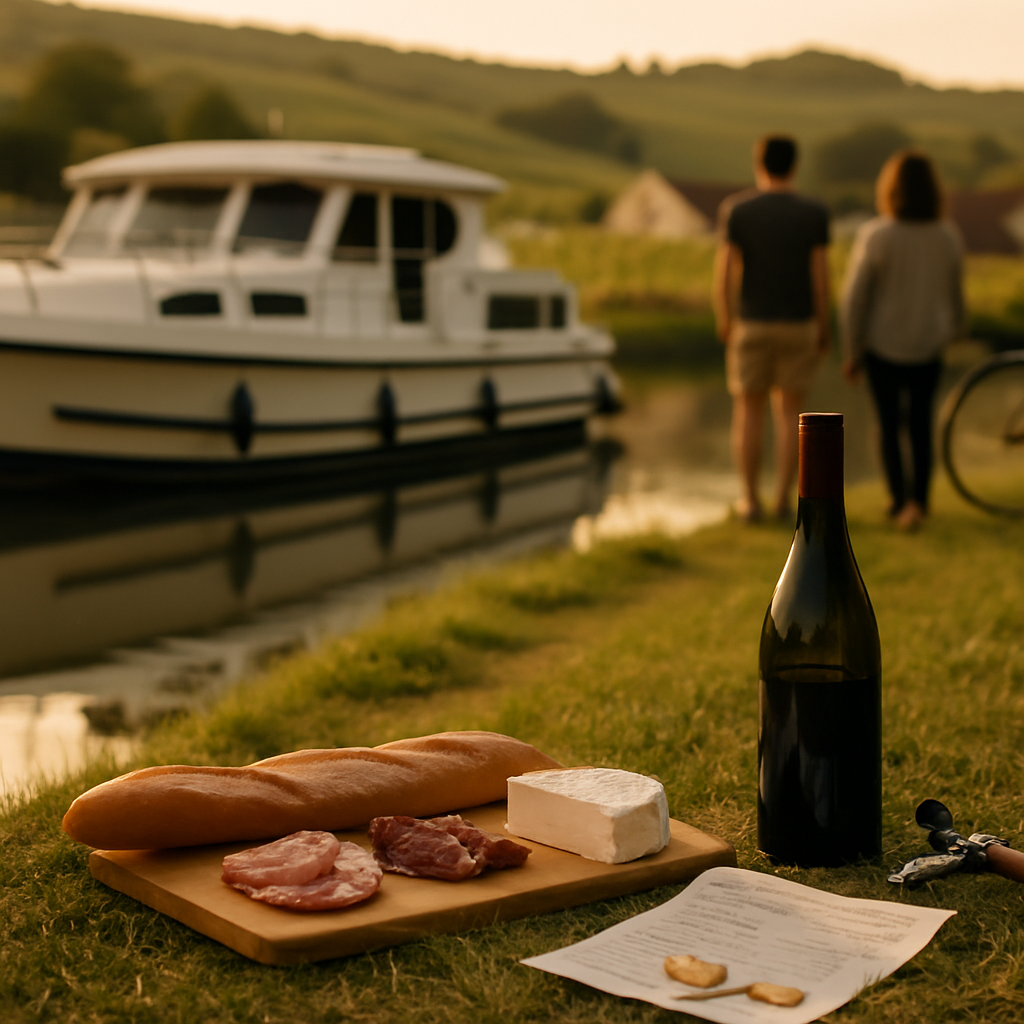
Shopping at local markets not only saves money but tastes nicer. Pick up fresh bread, cheese and charcuterie—instant picnic magic.
Attractions, Tours and Extras
You’ll want to budget for wine tastings, chateaux, museums and bike hires:
- Wine tastings: €5–€25 per person
- Museums and chateaux: €5–€15
- Bike hire and tours: €10–€40 per day
Insurance and Miscellaneous Costs
Don’t skip this. Insurance can protect your deposit and give peace of mind:
- Rental insurance add-ons: €50–€200 per week
- Travel insurance: €30–€80 per person for a week
- Miscellaneous (laundry, small repairs, tourist taxes): €50–€150
Smart Packing to Save Money on Your Bourgogne Trip
What you bring matters. Pack cleverly and you’ll avoid buying replacements on the road or paying for rental extras.
Kitchen and Food Gear
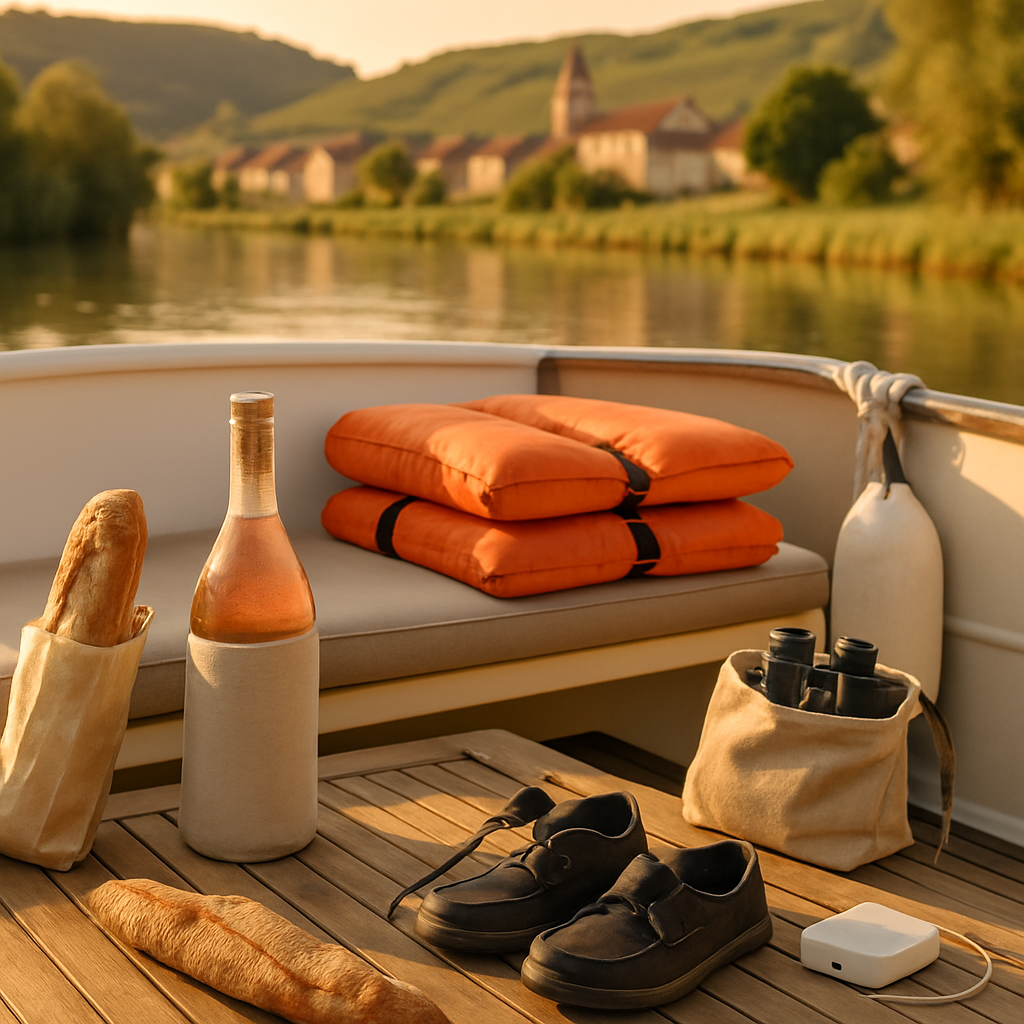
Even if the boat has a galley, bring small favorites: a sharp knife, a folding cutting board, reusable storage bags, some spices and a corkscrew. A few pre-made meals frozen at home are a real time-saver and reduce the temptation to eat out.
Bedding and Towels
Check your rental’s policy. If linen costs extra, bring a fitted sheet, pillowcases and quick-dry towels—compact and cheaper than rental fees.
Practical Kit That Saves Money
- Power bank and multi-USB charger—less dependence on marina shore power.
- Reusable water bottles and a small water filter or purification tablets to avoid bottled water costs.
- Compact tool kit, spare fuses and a few cable ties. These fixed many readers’ quick emergencies.
- Good walking shoes and layered clothing. Bourgogne weather can surprise you.
Fuel, Mooring, and Onboard Expenses: A Practical Guide
Daily choices determine your running costs. A few small habits save real money—and they’re simple to adopt.
Fuel-saving habits
- Plan shorter legs and enjoy fewer, slower days.
- Keep speed steady and avoid heavy acceleration.
- Use weather forecasts to choose calm days for longer passages.
Mooring strategy
- Prioritize free or low-cost municipal moorings for most nights.
- Save marinas for essential services: laundry, waste disposal, or topping up tanks.
- When near tourist hubs, consider mooring outside in a cheaper spot and cycling in.
Onboard utility management
Electricity, heating and hot water can add up. Be mindful: run appliances sparingly, use shore power only when needed, and layer clothing instead of ramping up heating.
Accommodation Options: Rental Boats vs. DIY Stays in Bourgogne
Which approach suits your budget and style? Let’s weigh the pros and cons so you can decide how to structure Budgeting Your Bourgogne Vacation.
Renting a Boat
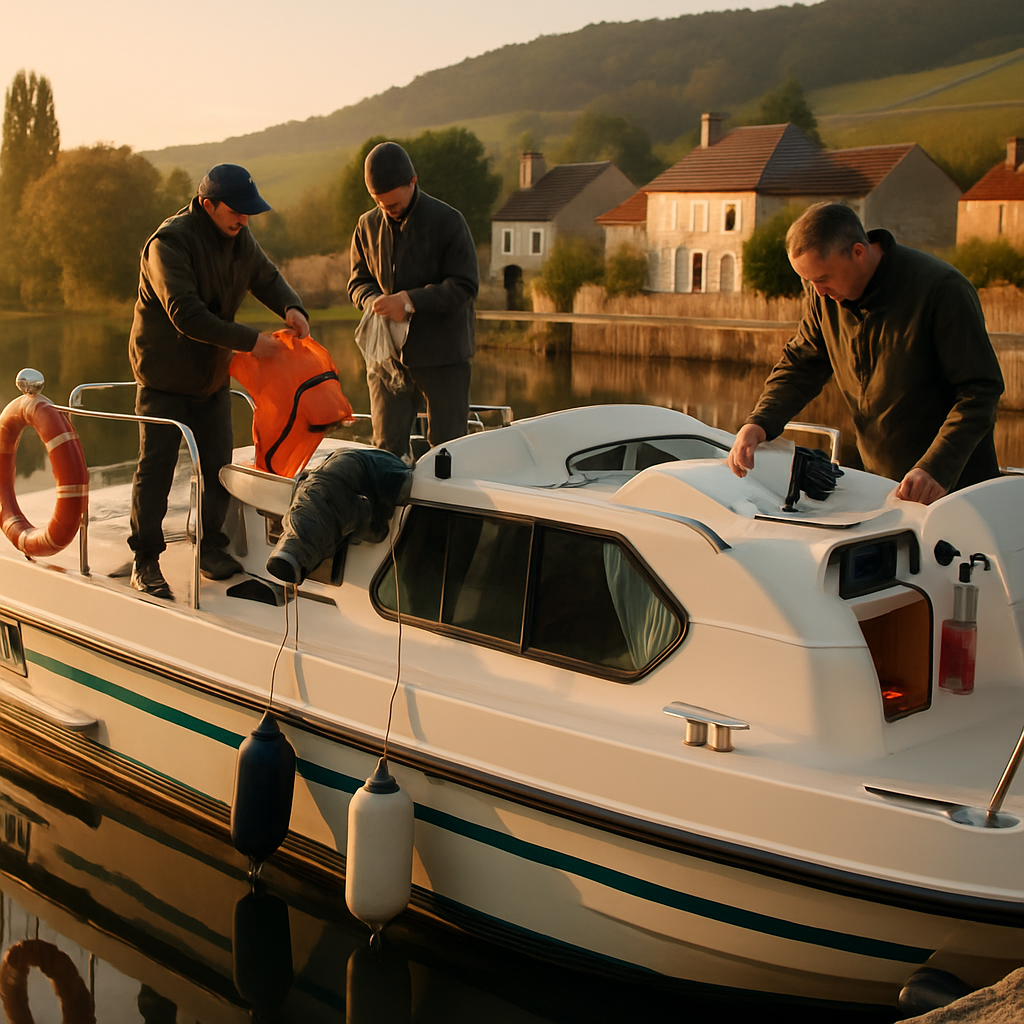
Renting is low hassle. Orientation and fleet support are included. This convenience often justifies the cost if you don’t want maintenance headaches.
When renting makes sense
- You’re new to handling a boat.
- You want a guarantee of cleanliness, safety checks and support.
- You prefer a one-price booking rather than juggling marinas and maintenance costs.
DIY Stays (Owned Boat or Private Arrangement)
Owning or using a private boat can reduce per-trip costs long-term, but it introduces ongoing expenses—insurance, mooring fees, maintenance.
When DIY pays off
- You’re a regular boater and plan multiple trips per year.
- You can moor economically or have a long-term arrangement.
- You enjoy hands-on preparation and maintenance.
| Expense Area | Typical Cost (7 days) – Rental | Typical Cost (7 days) – DIY/Owned |
|---|---|---|
| Boat/Accommodation | €700–€3,000 | Variable (depreciation, mooring) |
| Fuel | €50–€300 | €30–€250 |
| Mooring | €0–€200 | €0–€200+ |
| Provisions & extras | €100–€600 | €100–€600 |
Money-Saving Tips From Bourgogne Marine Readers
Real, tested tips from people who’ve cruised these waterways:
- Start mid-week: arriving Wednesday or Thursday often lowers rental rates and avoids busy weekends.
- Market mornings: buy fruit, cheese and fresh bread at village markets—cheaper and tastier than supermarkets for a few treats.
- Share rides: one car for provisioning and day trips splits costs and parking fees.
- Bring spares: fuses, tape, a small anode and cable ties solved a reader’s problem without paying a technician.
- Negotiate for last-minute deals: in shoulder season, fleets discount unsold boats—ask politely.
- Mix moorings: free nights by the bank, then a marina for washing—best of both worlds.
- Cook at least twice a day onboard: café lunches are lovely, but daily dining out quickly adds up.
- Group costs fairly: splitting fuel and food proportionally keeps everyone happy.
- Plan slow days: you’ll use less fuel and discover quieter spots that tourists miss.
- Choose scenic but less touristy routes: countryside moorings are cheaper and often prettier.
Sample Budget Scenarios (7-Day Trip)
Below are three realistic sample budgets to help you visualise Budgeting Your Bourgogne Vacation. Tweak them for your group size, travel season and appetite for wine tastings.
Budget Couple (self-catered, basic boat)
- Boat rental: €700
- Fuel: €80
- Mooring: €30 (mostly free)
- Food and wine: €200
- Insurance & misc: €120
- Total: ~€1,130
Family of Four (mid-range comfort)
- Boat rental: €2,200
- Fuel: €180
- Mooring: €100
- Food and activities: €600
- Insurance & misc: €200
- Total: ~€3,280
Luxury Group (premium boat)
- Boat rental: €4,500
- Fuel: €300
- Mooring: €210
- Food, wine, tours: €1,200
- Insurance & misc: €350
- Total: ~€6,560
Booking Timeline and Practical Steps
When to book? What to ask? Here’s a practical timeline that keeps surprises low and savings high.
6–12 months before
- Research routes and boat types. Think about lock frequency and daily distances.
- Compare rental companies and read recent reviews.
- Decide travel dates—off-peak often saves money and gives a calmer experience.
2–3 months before
- Reserve your boat. Ask about what’s included—linen, gas, bikes—and the deposit rules.
- Book any must-do experiences (popular vineyards have limited tasting slots).
2 weeks before
- Plan provisioning: make a basic grocery list to avoid impulse shopping on arrival.
- Check navigation rules, lock operation hours and any local restrictions on your chosen route.
Frequently Asked Questions (FAQ)
How much does a Bourgogne houseboat vacation typically cost?
You can expect a wide range depending on boat choice, group size and style. For a basic self-catered week split between two people, plan roughly €1,000–€1,500 including a share of boat rental, fuel and food. Mid-range family trips commonly sit between €2,500–€3,500, while a luxury week can easily exceed €6,000. Remember to add a 10–15% contingency for unexpected costs like repairs or extra activities.
When is the best time to visit Bourgogne canals to save money and avoid crowds?
Shoulder seasons—late spring (May–June) and early autumn (September)—are sweet spots. Prices are lower than peak July–August, marinas are less crowded, and the weather is often pleasant. Winter is cheapest but many services close then. If you want both savings and good conditions, booking in May or September gives the best balance of price, quieter waterways and available local services.
Do I need a boating licence to rent and pilot a houseboat in Bourgogne?
Most rental boats in Bourgogne are designed for novice skippers and don’t require a licence, thanks to low-speed canal engines and clear rental orientations. The rental company usually provides a briefing and a short handling lesson. If you plan to bring your own boat or a larger vessel, check rules carefully—some types of craft do require qualification or experience.
What’s typically included in a houseboat rental and what extras should I budget for?
Standard inclusions vary, but most rentals cover basic galley equipment, safety gear and a starter pack (instructions, local maps). Linen, towels, bikes, fuel and cleaning can be extras. Always get a written list before booking and price out any add-ons—linen hire, comfort packs and insurance upgrades are common extras that add to the final bill.
How much is the security deposit and can I reduce it?
Deposits often range from €500 up to €2,500 depending on boat size and company policy. You can usually reduce the deposit by purchasing a damage waiver or excess reduction insurance through the operator or a third party. Read the fine print: many waivers exclude certain damages, so know what’s covered to avoid surprise costs later.
How much fuel will we realistically use on a week-long trip?
Fuel use depends on daily mileage and engine type. For relaxed canal cruising, many groups spend €50–€300 on fuel for a week. Plan for slower speeds and shorter daily legs to keep fuel costs low. If you’re covering long distances or dealing with strong currents, budget toward the higher end of that scale.
Are there free moorings and how safe are they?
Yes, Bourgogne has plenty of free municipal and riverbank moorings that are safe and popular with cruisers. They work great for overnight stops and give you authentic village experiences. Use marinas for services like water, showers and waste disposal. As always, choose well-lit, populated spots at night and follow local advice from other boaters or the rental company.
Can I bring pets or children on a Bourgogne houseboat holiday?
Most rental companies welcome children and many allow dogs, but policies vary. If you bring kids, plan shorter cruising days and extra safety measures (lifejackets sized for children, clear sleeping arrangements). For dogs, confirm cleaning fees and rules about mooring and public areas. Advance notice helps ensure the boat is prepared for pets or families.
What are the smartest packing items to avoid spending locally?
Bring quick-dry towels, your own bedding if linen costs extra, a small tool kit, spare fuses, a multi-USB charger, and a reusable water bottle with a compact filter. Also pack a corkscrew and a few favourite spices. These items save money and time once you’re afloat—no midnight runs to the village shop for basics.
How do I plan a route that’s affordable and enjoyable?
Pick shorter daily distances and fewer lock-heavy stretches to save on fuel and time. Combine free moorings with occasional marina stays for services. Research scenic but less-touristy segments—these often cost less for moorings and give a more authentic experience. Ask the rental company for suggested “budget-friendly” routes; many will have tried-and-tested itineraries.
What insurance should I consider for peace of mind?
At minimum, take the operator’s damage waiver or an equivalent reduction in excess to lower your deposit exposure. Also consider travel insurance that covers cancellation, medical emergencies and repatriation. If you own the boat, ensure marine liability, hull and third-party coverage are up to date. Read exclusions carefully so you’re not caught out by common issues like wear-and-tear.
How can I reduce costs without sacrificing the experience?
Cook onboard more often, shop village markets, start mid-week to score better rates, split costs fairly among the crew, mix free moorings with paid marinas, and pack smart to avoid local purchases. Slow down—shorter legs and more time ashore save fuel and let you discover hidden, cheaper gems that make the trip special.
Final Checklist Before You Book
A short checklist prevents surprises and keeps Budgeting Your Bourgogne Vacation on track:
- Confirm what’s included: linen, towels, gas, bike hire?
- Understand fuel policy: returned full or billed?
- Get written details on the deposit and optional insurance.
- Map your likely route, estimate km and locks to calculate fuel and time.
- Identify free moorings and service points for water and waste.
- Pre-book high-demand tours and restaurants to avoid disappointment.
Conclusion
Budgeting Your Bourgogne Vacation is about thoughtful choices more than avoiding pleasure. With a little planning—choosing the right boat, packing smart, mixing free moorings with paid services and prioritising experiences—you can enjoy the region’s charm without breaking the bank. Remember: slow travel saves fuel, reveals hidden gems and gives you the time to really savour a local cheese paired with a great Bourgogne wine. Now pack that corkscrew, plan your route, and get ready for one of the most relaxed holidays you can have.