Discover Safe, Legal and Enjoyable Canal Travel: How “France and European Waterway Regulations” Keep Your Bourgogne Houseboat Trip Smooth
France and European Waterway Regulations: A Starter Guide for Bourgogne Houseboat Operators
If you’re dreaming of gliding past sleepy village quays, vine-clad hills and medieval locks, the canals of Bourgogne are hard to beat. But before you let the mooring lines go, it pays to get practical about France and European Waterway Regulations. These rules are not there to spoil the fun — they’re there to protect you, other boaters, local communities and the environment. Think safety, paperwork and respect for nature. Ready to dive in? Great. We’ll keep it simple, friendly and useful so you can focus on planning the perfect route rather than worrying about surprise fines or awkward questions at a lock.
Before you set out, many boaters find it useful to consult specialist resources: for example, review Insurance Coverage for Houseboat Holidays to understand what a typical policy covers and what gaps you should fill; check the Safety Gear Checklist for Houseboats so you don’t forget essential items like lifejackets and fire extinguishers; and browse the broader Safety, Regulations, and Boating Tips overview to align your plans with both French and European waterway guidance. These pages give practical, actionable advice that helps prevent last-minute stress and keeps you compliant on the water.
Why rules matter — beyond red tape
Rules help avoid collisions, control erosion caused by wash, protect drinking water and keep historic quays intact. They also make cross-border trips predictable. France implements its own regulations but does so within a larger European framework — so many of the standards you’ll encounter on French canals are aligned with EU directives. For Bourgogne operators specifically, that means combining local practices (like manual lock operation or seasonal bridge openings) with national documentation and EU safety expectations.
Licensing, Documentation, and Registration for French Canals in Bourgogne and Beyond
One of the first questions people ask is: “Do I need a licence?” The answer depends on what you’re driving and whether you’re operating commercially. Always check the specifics for your boat, but here’s a practical breakdown to get you up to speed.
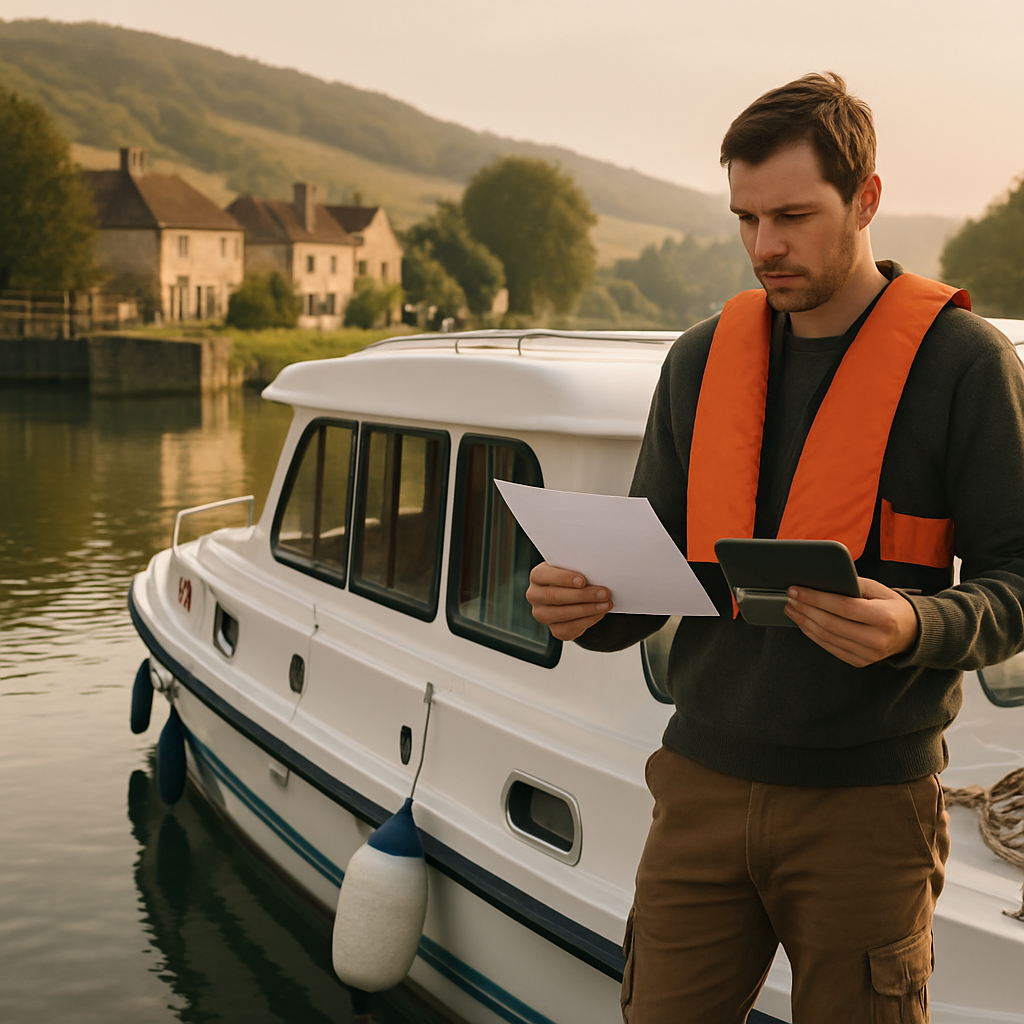
Essential documents to carry
| Document | When you need it |
|---|---|
| Boat registration or ownership papers | Always — for inspections or if crossing borders. |
| Insurance certificate (third-party liability) | Essential. Most marinas and authorities require proof. |
| Skipper’s licence / proof of competence | Depends on power and boat type; rental firms will advise. |
| Safety equipment inventory | Must be onboard and functional — lifejackets, extinguishers, etc. |
| International paperwork for cross-border trips | Passports, green card insurance, and any customs documents if applicable. |
Do you need a licence?
Short answer: sometimes. For many leisure houseboats on peaceful canals, rental companies provide vessels meant to be handled without a formal licence, but engines over certain power thresholds or commercial operations often require an inland waterways licence. Also, if you intend to travel into neighboring countries, some regions ask for internationally recognized certificates. If in doubt, ask your rental company or check with Voies Navigables de France (VNF) and local prefectures.
Practical checklist before you cast off
- Confirm the boat’s registration and insurance are in order and keep copies handy.
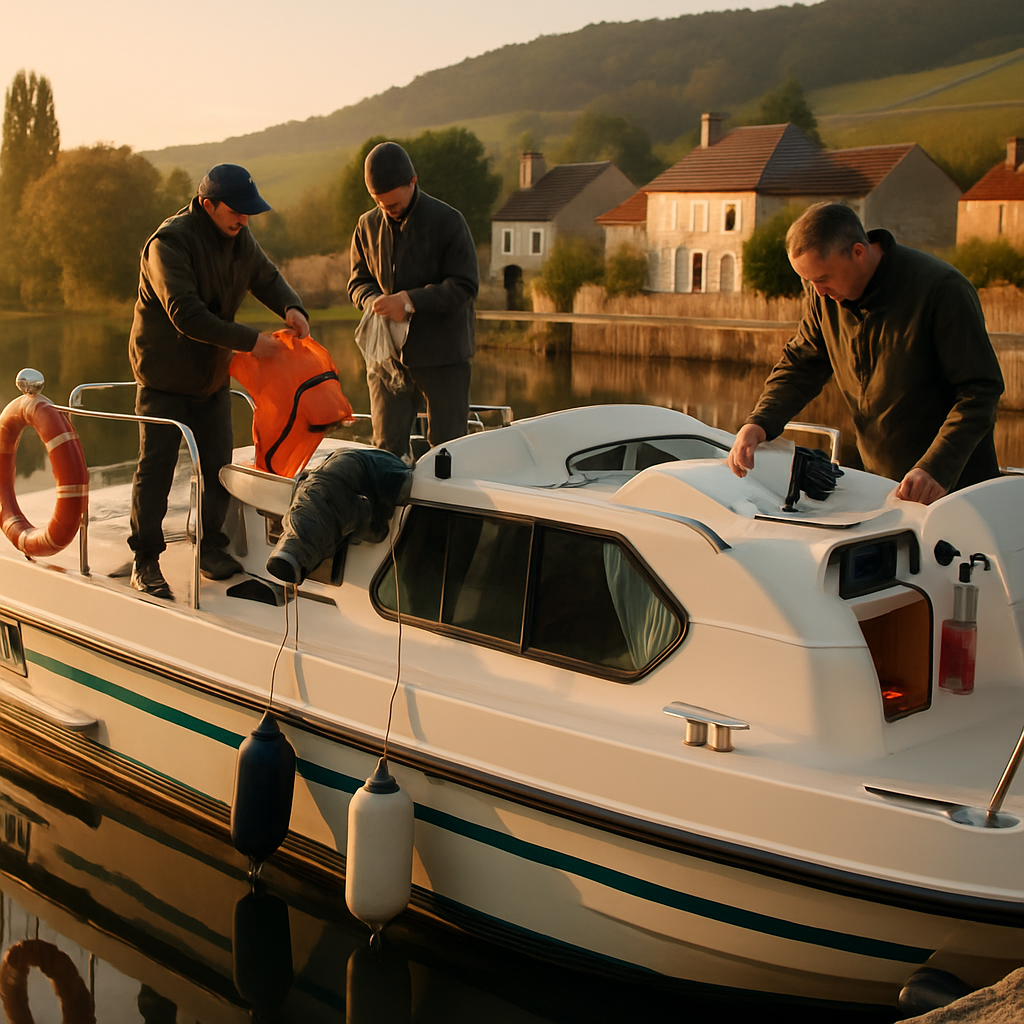
- Ensure all required safety kit is onboard and that you know where it is.
- Check licence requirements for the specific vessel — and for the countries you plan to visit.
- Scan and save documents digitally as a backup.
Navigational Rules, Right-of-Way, and Signage on France and European Waterways
Navigation on canals might look leisurely, but there are clear rules to keep traffic smooth and safe. Understanding right-of-way, signs and lock etiquette will save time and embarrassment — and sometimes money.
Right-of-way basics
On narrow channels and approaching locks, give way to commercial traffic and larger, less maneuverable vessels when safe. When two boats meet on a narrow stretch, the one keeping to the starboard side typically has priority — but local signs or lock-keeper instructions override general rules. If you’re unsure, slow down and hail the other vessel. Better safe than sorry.
Speed limits and wash
Speed limits exist primarily to limit bank erosion and protect moored boats. Watch for “no wash” zones — they’re not a suggestion. Excessive wash can damage private property and sensitive habitats. In towns, reduce speed and show courtesy to people on quays and bridges; a friendly wave goes a long way.
Reading signage and lights
Buoys, painted signs, and fixed markers indicate channel edges, depth hazards, and bridge clearance. At night, proper navigation lights are essential. If you’re passing under low bridges, check your mast height and any local maximum heights listed on charts—it’s surprising how quickly a route can become impossible if you don’t account for it.
Locks and bridge procedures
Locks are the rhythm of canal life. Learn the local procedure: approach slowly, communicate with lock-keepers or other boaters, use fenders, and handle lines safely. Some locks are manual and may have restricted hours; others are staffed. Patience is key — build extra time into your itinerary.
Environmental Compliance, Waste Management, and Emission Standards on French Canals
One of the big themes behind France and European Waterway Regulations is environmental protection. The canals are living systems, and careless boating can harm water quality, wildlife and local communities. Here’s how you can be a responsible boater.
Sewage, graywater and pump-out etiquette
Discharging untreated blackwater is often prohibited. Most marinas and many locks offer pump-out services — use them. For graywater (washing up, showers), avoid discharging directly in protected stretches and prefer marinas for disposal. Simple steps like using biodegradable detergents make a difference.
Solid waste and recycling
Do not throw rubbish overboard. Pack in, pack out. Many towns along Bourgogne canals have recycling points and town bins; use them. Keep waste separated onboard so disposal is quick and tidy when you reach a proper facility.
Antifouling, hull cleaning and invasive species
Use environmentally friendly antifouling where possible and follow local rules about cleaning hulls. Check your boat and equipment for plant fragments and invasive species when moving between waterways — prevention is much easier than eradication.
Engine emissions and quieter cruising
EU emission standards influence engine design. Newer boats meet tighter standards; consider electric or hybrid propulsion to reduce noise and fumes. Even small changes, like regular engine servicing and efficient cruising speeds, lower fuel consumption and emissions.
Permits, Tolls, and Practical Planning for Bourgogne Canal Trips
Budgeting for fees and understanding permit systems is part of good trip planning. Bourgogne is popular, and some sections or facilities may require pre-booking or payment. Here’s how to avoid surprises.
Types of charges you’ll face
- Navigation permits and river passes (sometimes daily or seasonal).
- Per-lock charges or overall canal tolls — VNF and local authorities publish tariffs.
- Mooring fees at municipal quays and private marinas.
- Bridge opening charges in some special cases or by-request services.
Planning tips
Ask your rental operator about included fees — many companies bundle navigation charges. If you own the boat, check VNF rates and whether a multi-day pass saves money. Book moorings during peak season, and allow buffer time in each day for locks and sightseeing; it’s better to linger over a café than to race the schedule.
Seasonality and water levels
Water levels vary seasonally; low water can limit draft and alter lock operations, while high water can increase flow and reduce safe mooring spots. Check notices to mariners, VNF updates and local weather before departure. If you get caught by a closure or high flow, stay calm — local authorities will advise on safe alternatives.
EU-Wide Standards: How French Regulations Align with Other European Waterways
When planning cross-border trips, it helps to understand how France and European Waterway Regulations fit into the bigger EU picture. The aim is greater consistency, but national nuances still matter.
Recreational Craft Directive and CE conformity
The Recreational Craft Directive (RCD) sets safety and environmental standards for new boats sold in the EU. Boats built to RCD standards carry CE markings and technical documentation that are generally accepted across member states — which simplifies cross-border navigation and inspections.
Operator qualifications across borders
Some countries recommend or require certificates like the International Certificate for Operators of Pleasure Craft (ICC) for non-resident skippers. Even if France doesn’t require the ICC for all leisure craft, neighboring countries might. If you plan to hop borders, it’s worth getting a broadly recognized certificate. Many rental companies also expect a certain level of competence and will insist on a handover if they don’t feel comfortable with your experience.
Harmonisation vs local rules
EU rules create a baseline, but local navigational practices, speed limits, mooring etiquette and environmental restrictions still vary. Before crossing a border, check the specific rules for that country and adjust your plans. A quick phone call to the port authority or a marina can save time and hassle.
Practical Recommendations for Houseboat Operators in Bourgogne
Here’s a friendly, no-nonsense action plan so you can enjoy Bourgogne’s canals without regulatory headaches. Consider this your pre-departure pep talk.
Do this before you leave
- Confirm all paperwork and carry digital backups.
- Get a thorough handover from your rental company — insist on lock practice if you’re new to canals.
- Map out pump-out locations and waste disposal points for your route.
- Reserve moorings for busy stops and build extra time into daily plans.
- Familiarize yourself with local signs, lock procedures and emergency contacts.
On the water
Slow down in towns, respect no-wash zones, and be polite at locks — a cheerful help in a lock often gets returned in kind. Keep a lookout for wildlife and fragile banks. If you’re unsure about a manoeuvre, stop and reassess rather than risking an awkward situation.
Essential Onboard Safety and Compliance Checklist
- Valid registration and proof of insurance.
- Relevant skipper’s licence or proof of competence.
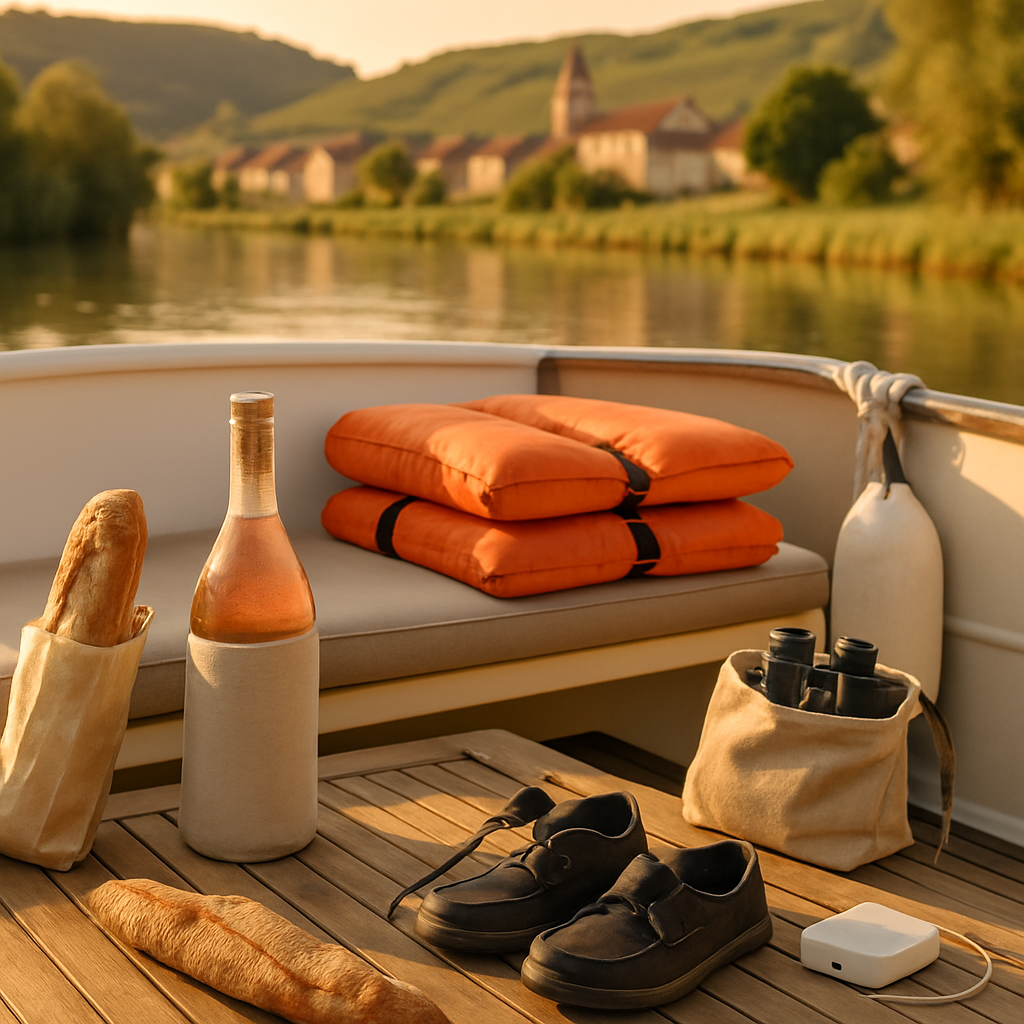
- Lifejackets in good condition for everyone on board.
- Fire extinguishers, first-aid kit, navigation lights and a reliable VHF or mobile contact list.
- Lines, fenders and tools for lock and mooring operations.
- Waste containers and a clear plan for sewage and recycling disposal.
- Up-to-date charts, route notes and local authority contact numbers.
Frequently Asked Questions (FAQ)
Do I need a licence to drive a houseboat in Bourgogne?
Short answer: often no for many leisure rental boats, but it depends. If you rent a typical canal houseboat, rental firms commonly provide boats designed to be handled without a formal licence and will give you a handover. However, if the boat has a more powerful engine, is classified differently or you operate commercially, an inland waterways licence may be required. If you plan to cross into other countries, check whether those countries ask for an internationally recognised certificate — it can save you a lot of hassle.
What documents must I carry while cruising?
Carry proof of boat registration or rental agreement, a valid insurance certificate (third-party liability is essential), ID or passports for everyone, and evidence of any licences or certificates you hold. Also keep a list of the boat’s safety equipment and the boat’s manual handy. Make scanned copies and store them on your phone or in the cloud as a backup — authorities and rental companies sometimes ask for them during checks.
What insurance coverage do I need for a houseboat holiday?
You should have at least third-party liability insurance to cover damage to others and infrastructure. Many rental agreements include basic insurance, but check for deductibles and exclusions (e.g., navigation beyond certain borders). If you own a boat, consider hull cover, theft, and personal accident insurance. For cross-border trips, a green card or international endorsement may be necessary — clarify this with your insurer well before departure.
Where can I empty sewage and graywater?
Use marina pump-out stations or designated disposal points — never dump untreated sewage into canals. Most marinas list pump-out locations on local maps, and many tourist offices will point you to them. If you can’t find a pump-out, ask at the next town quay rather than taking a shortcut. Fines and environmental damage are real risks, and it’s simply bad manners to the communities you’re visiting.
Are French canals open year-round?
Not always. Many canals have seasonal maintenance windows and reduced services in winter. Locks may operate on limited schedules or be closed for repairs. Before you travel, check notices to mariners, the VNF website and local authority updates for planned closures or maintenance. If you travel off-season, expect fewer staffed facilities and shorter opening hours for marinas and tourist services.
Can I take a rented houseboat into other EU countries?
Sometimes, yes — but only with explicit permission from the rental company and the right insurance and paperwork. Rental contracts often restrict cross-border navigation; even if allowed, you’ll need to inform the company in advance, ensure insurance covers other countries, and carry all required documents. You may also need additional certificates like the ICC for certain borders, so sort this well before your booking.
What safety equipment is legally required?
Requirements vary by vessel and country, but basic essentials include lifejackets for everyone, a fire extinguisher, navigation lights, and a first-aid kit. Some waterways or boats require radios, flares or bilge alarms. Consult the Safety Gear Checklist for Houseboats and your rental firm to confirm what must be onboard and what the company provides.
How much should I budget for tolls and mooring fees?
Costs vary widely. You may encounter per-lock fees, daily navigation permits, or seasonal passes; municipal moorings and private marinas charge different rates. Rental companies sometimes include navigation charges in the booking, so check your contract. As a rule of thumb, budget some extra daily costs for mooring and canal usage — it’s cheaper to over-budget and be pleasantly surprised than under-budget and stressed.
What if water levels or weather force a change of route?
Check notices to mariners and VNF updates frequently. If you must reroute, local marinas and lock-keepers are usually helpful with alternatives and safe temporary moorings. Keep flexible in your schedule, and view unexpected detours as part of the adventure — many boaters find new favourite spots that way.
What penalties exist for breaking waterway rules?
Penalties can include fines, confiscation of navigation permits, or being barred from certain waterways for serious violations (illegal waste discharge, hazardous navigation). Environmental breaches often carry higher fines. Always comply with local rules — it protects you, the environment and the future of leisure navigation in Bourgogne.
Conclusion
France and European Waterway Regulations are your friend when you’re planning a Bourgogne houseboat holiday. They keep the canals safe, preserve priceless landscapes and make cross-border travel feasible. Take a little time to sort paperwork, learn lock etiquette, respect environmental rules and plan for fees and seasonal changes — do that and you’ll have a relaxing, memorable trip. If you’re renting, lean on the rental company for guidance; if you own a boat, stay in touch with VNF and local authorities. Above all: enjoy the slow rhythm of canal life, the towns that drift by and the little breakfasts on deck. Bon voyage — and don’t forget to wave to the lock-keepers.
If you want, I can also create a printable pre-departure checklist or a short cheat-sheet of local phone numbers and pump-out locations for Bourgogne — say the word and I’ll put it together for you.