Packed for Pleasure: Your Ultimate Packing List for Houseboat Trips in Bourgogne
Planning a houseboat escape through Bourgogne? Du willst relaxen, sip wine by the towpath, and wake up to mist on the canal — not hunt for a misplaced rain jacket at midnight. This Packing List for Houseboat Trips is built to help Du pack smart, avoid clutter, and make the most of every lazy lock and vineyard stop. Read on for a friendly, practical guide arranged by category: clothing, galley, tech and safety, day-trip tools, seasonal tweaks, and the paperwork you can’t leave ashore.
Clothing and Personal Gear for Houseboat Trips
Packing clothes for life on the water is about layers, comfort, and versatility. Houseboats are cosy but storage is tight, so think multi-use items. Below are suggestions to keep Du comfortable from dawn patrol to evening terrasse.
Planning routes and costs early saves time and prevents surprises; check a local guide like Budgeting Your Bourgogne Vacation to estimate fuel, marina fees, and grocery costs so you can pack accordingly. If you’re still ironing out details, read Planning Houseboat Vacations for sample itineraries and timing tips—great for deciding what gear to bring for each day. Finally, weigh practical options such as Renting versus Chartering a Boat to understand what equipment is included and what you’ll need to pack yourself; this affects everything from tools to bedding and will save you from last-minute shopping stress when you arrive.
Core clothing items
- Light layers: pack T-shirts, a couple of long-sleeve shirts, and one thin fleece or sweater. Layers win in variable Bourgogne weather.
- Waterproof jacket: breathable shell with a hood. Compact and essential — sudden showers aren’t dramatic, but they are frequent.
- Insulating mid-layer: a lightweight down or synthetic vest. It stashes easily and is life-changing on chilly mornings.
- Quick-dry bottoms: one pair of trousers, plus shorts for warmer days. Quick-dry fabrics reduce laundry stress.
- Swimwear: for impromptu dips or a cool morning paddle. Yes, Du might swim in a canal — but pick clean spots.
- Extras: enough socks and underwear to avoid mid-trip laundry panic.
Footwear
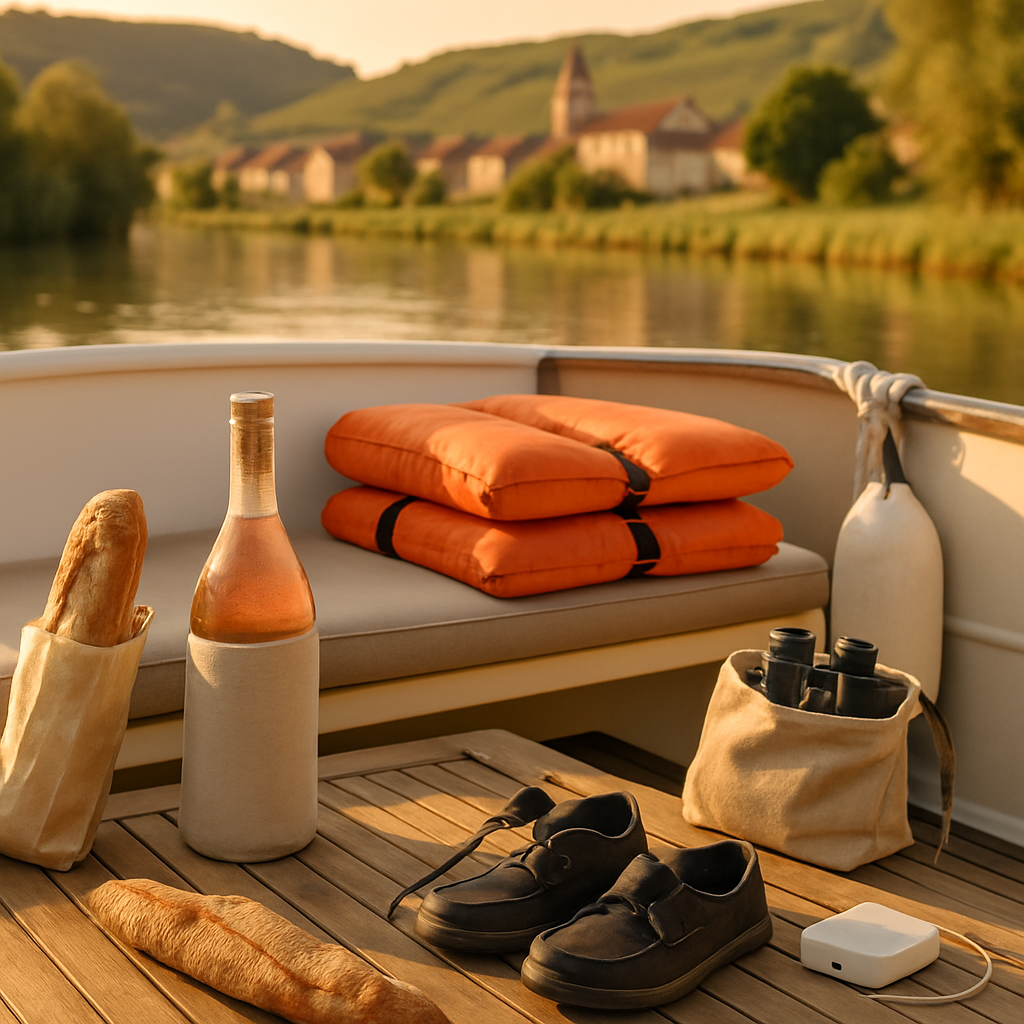
- Non-marking deck shoes or clean trainers: the deck appreciates them, and they give good grip.
- Waterproof boots: useful in spring/autumn or if you plan mooring on muddy banks.
- Comfortable walking shoes: Bourgogne is for wandering. Stone streets, vineyards, markets — be ready.
Toiletries and personal care
- Travel-size toiletries in leak-proof bottles. Most boats have basic supplies, but personal brands matter.
- Sunscreen (SPF 30+), broad-brim hat, and sunglasses — canals reflect sun more than you’d think.
- First-aid basics: plasters, antiseptic, antihistamines, pain relief, blister pads, and any prescription meds.
- Seasickness tablets if you’re sensitive — better to have and not need than to regret not packing.
- Microfibre towel and small clothesline for speedy drying.
Comfort extras (optional but lovely)
- Travel pillow or mattress topper for extra comfort.
- Earplugs and sleep mask — locks and late-night moorings can be noisy.
- Small laundry bag and a line for drip-drying swimwear.
Afloat Kitchen: Food, Cooking Gear, and Packing Tips for Houseboat Trips
One of the great joys of a Bourgogne houseboat is cooking with local produce: morning pastries, picnic lunches, and slow dinners. But galley space is limited. This section helps Du pack efficiently for tasty, low-stress meals on board.
Meal planning and pantry basics
Before you board, sketch out meals for several days. A light plan prevents overbuying and fridge chaos. Keep breakfasts simple, lunches portable, and dinners fresh and sociable.
- Staples: olive oil, salt, pepper, sugar, instant coffee/tea, vinegars, and a few dried herbs.
- Non-perishables: pasta, rice, canned tomatoes, canned beans, tuna, cereals, crackers, and dried fruit.
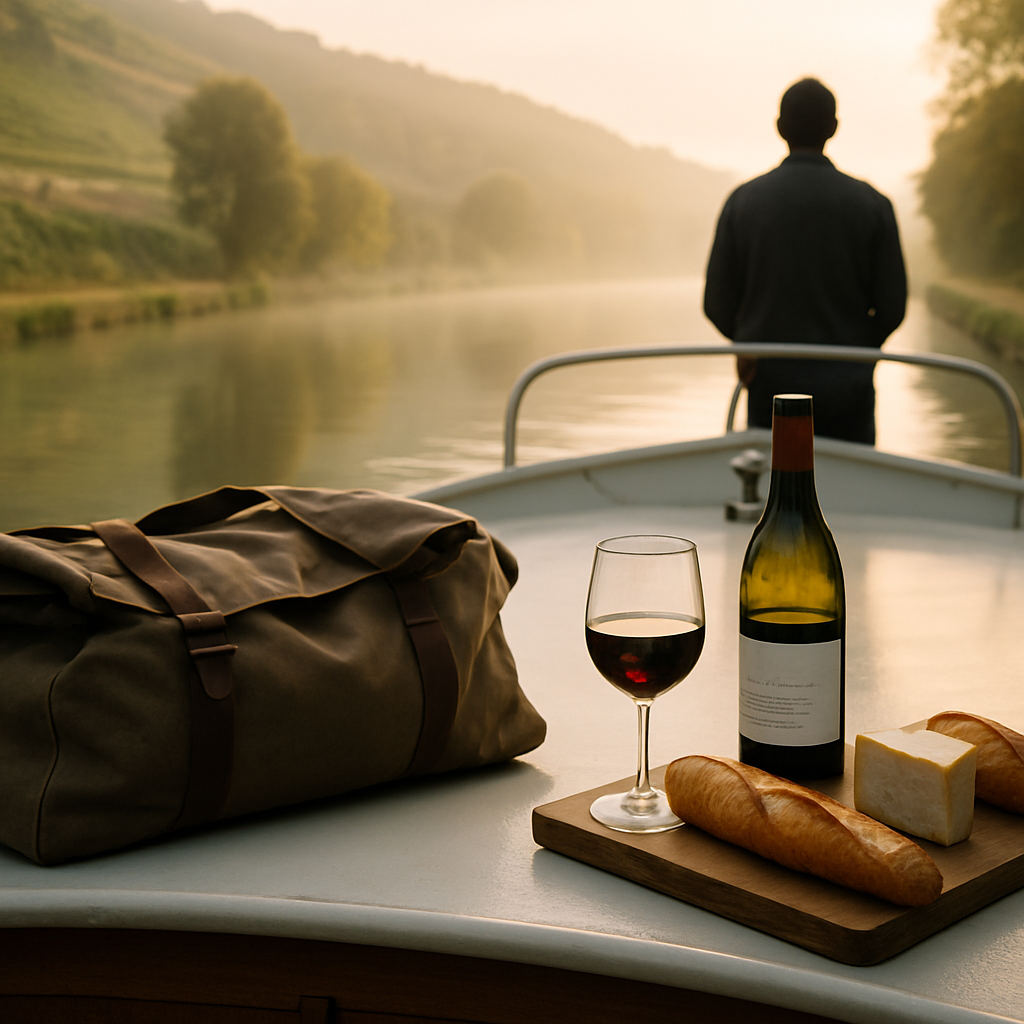
- Fresh purchases: buy bread, cheese, charcuterie, and produce locally — it’s part of the trip and saves fridge space.
- Plan meals that reuse ingredients to limit leftovers and minimize waste.
Galley tools and cookware
- Confirm what the operator supplies. Often you get a kettle, stove, basic pots and pans, and cutlery — but bring your favourites if you love them.
- Pack a reliable chef’s knife (with a sheath), a small cutting board, and a good paring knife.
- Bring containers for leftovers and resealable bags — useful for picnics or compostable waste.
- Small items: can opener, bottle opener, wooden spoon, spatula, colander, and a compact dishcloth.
- Biodegradable dish soap and a small sponge help keep the galley tidy without polluting the waterways.
Fridge strategy and waste management
Space is precious. Use these tactics to keep the fridge usable:
- Buy perishables just before departure or at the first town. Fresh bread, cheese, and produce last longer that way.
- Freeze bottles of water to act as ice packs on day one — they’ll cool the fridge and provide drinking water as they thaw.
- Store meats at the bottom of the fridge in sealed containers to avoid drips.
- Sort trash and recycle where possible. Many villages have recycling centers; respect local rules and marina guidelines.
Tech, Safety, and Navigation Essentials for Bourgogne Boating
Houseboats are slow, forgiving craft, but the right tech and safety gear keeps Du in control and confident. This list is a combination of must-haves and smart extras.
Navigation and communication
- Paper canal guide or a printed route — electronics can fail or run out of charge.
- Phone with a local SIM or good roaming plan and offline maps pre-downloaded for France.
- Portable power bank(s) and a multi-plug European adapter (Type C/E). Batteries die at the worst times.
- VHF radio is useful for larger waterways or when recommended by your operator.
Safety essentials
- Lifejackets: The boat should supply them. Still, check fit and have extras for kids or pets.
- Comprehensive first-aid kit, including seasickness remedies and personal prescriptions.
- Flashlight or headlamp plus spare batteries; a headlamp is invaluable when both hands are needed at night.
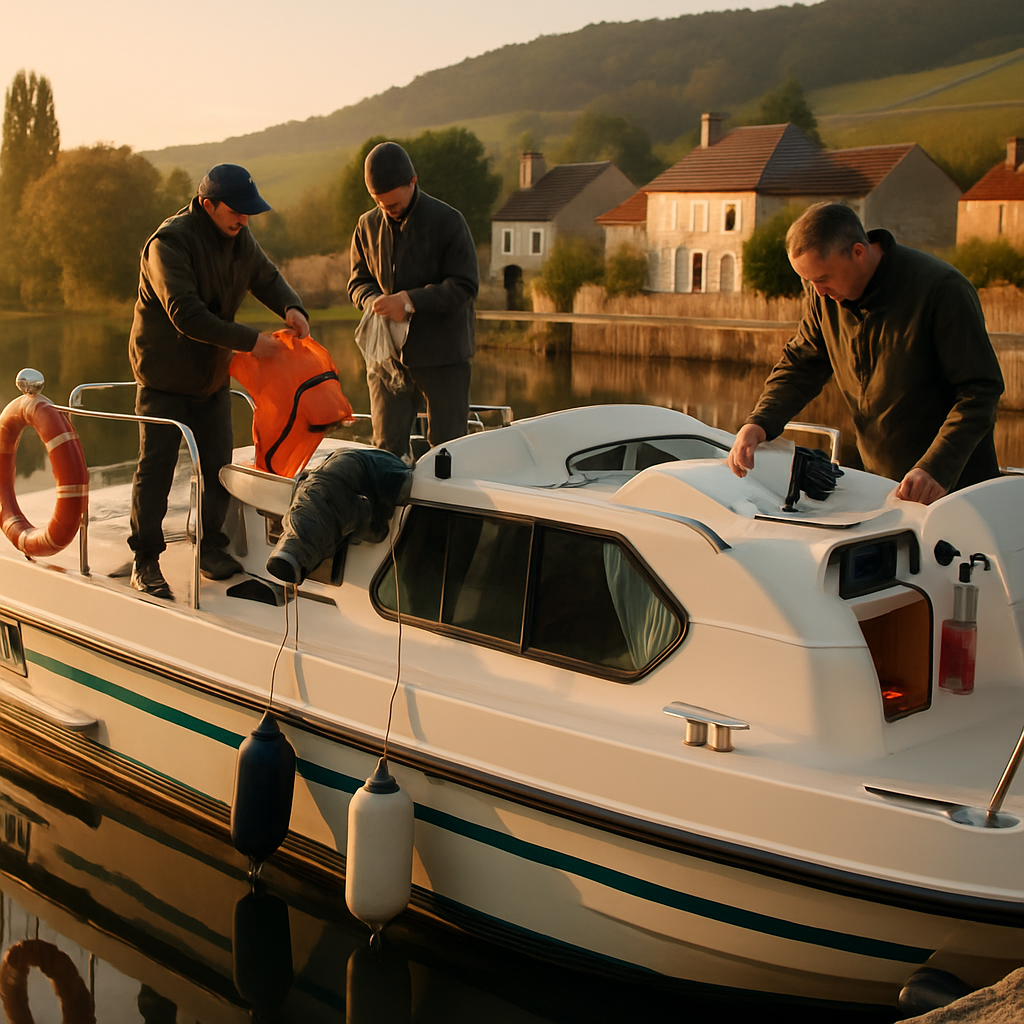
- Fire extinguisher and smoke alarm: verify their presence and expiry dates during handover.
- Flares or signaling equipment if venturing onto larger rivers or during low visibility; check local requirements.
On-board maintenance and small repairs
- Basic tool kit: adjustable wrench, screwdrivers, duct tape, cable ties, and spare bulbs/fuses.
- Spare mooring lines and extra fenders — helpful for tricky banks or unexpected guests at the quay.
- Battery charger or shore power cable checks: confirm compatibility and operation during the handover.
Gear for Bourgogne River Day Trips: Dinghy, Anchors, and Shore Equipment
If you plan to leave the main boat for short trips — strolling through a village, fishing, or popping into a vineyard — pack smartly for shore access and tenders.
Dinghy and tender gear
- If your hire boat doesn’t include a tender and you intend to explore shallow areas, rent or bring an inflatable dinghy. Include a pump, repair kit, and oars.
- A small anchor for the tender with enough line gives flexibility for lunches on a quiet bank.
- Check local rules regarding outboard motors; many canals restrict engine use or have displacement limits.
Shore equipment and comfort
- Fenders and extra lines for improvised mooring. They save nerves and paint jobs.
- Waterproof dry bags for phones, cameras, and wallets when exploring off-boat.
- Lightweight picnic blanket and compact picnic set for riverside lunches — vineyards are very forgiving hosts.
Activity-specific items
- Fishing tackle (and local licence if needed).
- Water shoes and snorkel gear for clean, shallow swims.
- Binoculars for birding and spotting rural details — herons and kingfishers are common sights.
Seasonal Packing Guide for Bourgogne’s Waterways
Bourgogne changes character through the year. Adjust your Packing List for Houseboat Trips to match the season, and Du’ll be prepared for comfort and local flavor.
Spring (March–May)
- Expect cool mornings and pleasant afternoons. Pack breathable layers and one warm mid-layer.
- Waterproofs and sturdy boots for muddy banks after spring rains.
- Binoculars for budding wildlife; spring is lovely for flower and bird spotting along the canal banks.
Summer (June–August)
- Sun protection is non-negotiable: wide-brim hat, sunscreen, and lightweight long sleeves for sunburn prevention.
- Bring a small fan or battery-powered cooling option if the boat’s ventilation is limited.
- Extra water bottles and shaded seating options for midday stops on hotter days.
Autumn (September–November)
- Layering again becomes crucial with crisp mornings. Include a warm jacket and scarves.
- Waterproof footwear for harvest-time vineyard walks and muddy towpaths.
- Thermos flask for hot drinks while watching the changing colors along the banks.
Winter (December–February)
- Not all operators run full services in winter. Confirm heating, insulation, and support before booking.
- Pack heavy layers, thermal underwear, a warm hat, and waterproof gloves. Extra blankets are not excessive.
- Battery performance dips in cold. Bring spare charged power banks and check heating systems during handover.
Documents, Insurance, and Practical Safety Checklists for Houseboat Travel
Paperwork might be the least romantic part of a canal holiday, but it’s where many problems are prevented. Keep copies, both digital and printed, and make sure your insurance covers boating activities.
Essential documents
- Booking confirmation and boat operator contact details — store these offline on your phone and print a copy.
- Passport or national ID, and photocopies stored separately.
- Driving license or boat handling certificate if required — some operators require basic instruction or certification depending on the vessel.
- Health insurance card and travel insurance policy explicitly covering boating and water-related medical evacuation if necessary.
Pre-departure safety checklist (do this during handover)
- Attend the safety briefing and ask questions until you’re clear about lights, horn, and lock procedures.
- Test all safety equipment: lifejackets, fire extinguisher, smoke alarm, and bilge pump.
- Photograph the control panel, engine hours, and any existing damage; this avoids disputes at return.
- Check fuel and fresh water levels and locate the fuel shutoff and battery switches.
- Confirm marina contact points and nearest repair or assistance centers for your route.
Emergency planning
- Store local emergency numbers and the operator’s out-of-hours contact in your phone and on paper.
- Discuss roles with your crew: who handles lines, who communicates with lockkeepers, who drives if visibility drops.
- Plan escape moorings and identify marinas on your route where you can shelter if the weather turns.
FAQ — Common Questions about Packing List for Houseboat Trips
1. What items do hire boat operators in Bourgogne typically provide, and what should I bring myself?
Most operators supply the basics: galley equipment (stove, fridge, kettle), a set of crockery and cutlery, lifejackets, and bedding on many boats. Still, policies vary widely. Du solltest always check your booking list before departure and bring personal items like favourite knives, specific toiletries, or children’s bedding if you prefer. If Du don’t want surprises, confirm in writing what’s included — that way Du avoid buying unnecessary duplicates on arrival.
2. Do I need a boating licence for a Bourgogne houseboat?
Rules differ by vessel size and operator. Many small hire boats in Bourgogne are licence-free for casual cruising, but some larger or more powerful craft require a licence or a short competency check. Du solltest ask the operator ahead of time and bring your driving licence or any boating certificates you have. If a short training session is offered at handover, attend it — it’s worth it for confidence and safety.
3. Is it safe to swim in the canals and rivers of Bourgogne?
Swimming in canals is common but not always recommended everywhere. Water quality varies by location and season. Du should avoid swimming near locks, weirs, or busy navigation channels, and always watch for signs or local advice. Choose calm, clean spots and never swim alone. If in doubt, ask locals or marina staff — they’ll point out safe, scenic places that won’t disrupt traffic or wildlife.
4. Can I bring my dog on a houseboat, and what should I pack for them?
Many operators welcome dogs, but rules and fees vary. Pack a dog lifejacket if your dog isn’t a strong swimmer, extra towels, a dedicated blanket or bed, food bowls, waste bags, and any meds. Keep your dog on a lead while onshore in villages and clean up after them; French villages are friendly but expect responsibility. Call the operator in advance to confirm dog-friendly boats and any restrictions.
5. Which season is best for a Bourgogne houseboat trip?
Spring and autumn are wonderful for mild temperatures, fewer crowds, and beautiful light over the vines. Summer brings warm weather and long days, great for swimming and markets, but also more tourists. Winter offers a quieter, contemplative experience but services may be limited and heating varies by boat. Choose based on the experience Du want: lively markets and warm evenings, or peaceful canals and autumn colours.
6. How much luggage should I bring — are there storage limits on board?
Space is limited. Soft bags are better than hard suitcases because they tuck into cupboards and under bunks. Aim for compact packing: a main bag per person plus a small daypack. Du can usually store essentials close at hand, but think minimal: no need to pack half your wardrobe. Bring only what you’ll use and plan to buy fresh items locally when needed.
7. What power and charging options are available on hire boats?
Most hire boats have shore power at marinas and a 12V system when cruising, but outlets may be limited. Bring a multi-plug adapter (Type C/E), power banks, and low-drain chargers. If you rely on medical devices or heavy electronics, confirm power availability with your operator before booking. A spare charged power bank can be a holiday lifesaver on longer stretches without shore power.
8. How should I dispose of waste and recycling while on a canal holiday?
Follow marina rules and local recycling systems. Keep rubbish sealed and use village or marina refuse points for disposal; never dump waste in the water. Biodegradable soaps are kinder for nature if you wash outdoors, but always use them sparingly. By planning meals to reduce waste and carrying small sealable bags for food scraps, Du make life easier for yourself and kinder to the waterways.
9. What insurance do I need for a houseboat trip?
At minimum, confirm the operator’s damage deposit and insurance cover. Personal travel insurance that explicitly covers boating activities and potential medical evacuation is strongly recommended. Check whether your policy includes liability for accidental damage or whether you need extra cover through the operator. Keep copies of all insurance documents accessible on board and stored digitally too.
10. Can I cook onboard and rely on local groceries during the trip?
Yes — cooking is one of the pleasures of a houseboat holiday. Most galleys are functional for everyday meals. Buy perishables like bread, cheese, and produce at local markets along the route to keep the fridge manageable and enjoy regional flavours. Plan simple, flexible meals that reuse ingredients and pack staples so Du can improvise with fresh finds from town markets.
Quick-Pack Checklist (Printable)
- Clothing: layers, waterproof jacket, deck shoes, walking shoes, swimwear, pajamas, extra socks
- Toiletries & health: sunscreen, insect repellent, first-aid supplies, personal meds, seasickness tablets
- Galley: basic spices, reusable containers, chef’s knife, cutting board, can opener
- Tech & nav: phone, chargers, power bank, offline maps, printed canal guide
- Safety & maintenance: lifejackets check, flashlight/headlamp, tool kit, spare lines, fenders
- Documents: ID/passport, booking docs, insurance, driving/boating certificates where required
- Extras: binoculars, fishing gear, dry bags, picnic blanket, camera
Final Thoughts — Pack Light, Cruise Easy
Packing for a houseboat is a balancing act between preparedness and minimalism. The best Packing List for Houseboat Trips helps Du bring comfort without turning the galley into a storage locker. Think layers, multi-use gear, and local shopping for perishables. A few smart choices — a good jacket, a reliable knife, extra fenders, and a well-stocked first-aid kit — will cover most surprises.
Finally, slow down. The canals of Bourgogne reward those who take time to linger: chat with a lock-keeper, sample bread from the village bakery, and take a detour into a vineyard lane. With the right packing, Du’ll spend less time worrying and more time enjoying sunrise coffees on deck and evening wines under the stars. Bon voyage — and may your Packing List for Houseboat Trips become a cherished ritual for many trips to come.