Imagine waking up to mist on the Bourgogne canals, coffee in hand, knowing you chose the perfect day to cruise — and that you’d also be ready if the weather suddenly turned. That sense of confidence comes from smart Weather Forecasting and Storm Preparedness: it keeps you safer, saves time, and means fewer surprises on the water. Read on for practical, region-specific tips that will turn unpredictable weather into manageable decisions so you can enjoy your houseboat adventure with peace of mind.
When planning and practicing safety drills, it helps to have formal resources to consult that walk you through step-by-step procedures. If you want a clear, structured reference for how to act in a worst-case scenario, check the local guidance on Emergency Procedures and Evacuation Plans. That page outlines evacuation priorities, where to muster, and how to coordinate with authorities — all useful when a storm is approaching and decisions need to be made fast. Treat it as part of your pre-departure briefing.
Insurance is another practical layer of preparedness that is often overlooked until it’s needed. For peace of mind on longer trips, make sure your policy covers not only hull damage but also costs related to storm-related berthing changes, salvage, and emergency towing. See the full breakdown at Insurance Coverage for Houseboat Holidays for details on typical exclusions and recommended cover levels. A sensible policy lets you make safer choices without worrying about unexpected bills.
Beyond paperwork and insurance, it pays to keep up with general boating rules and sensible habits that reduce risk before bad weather arrives. The concise guidelines at Safety, Regulations, and Boating Tips provide practical reminders — from correct mooring techniques to mandatory safety equipment and canal etiquette — which are especially relevant when you must act quickly to ride out a storm. Bookmark that page and review it with your crew before departure.
Weather Forecasting Essentials for Bourgogne Houseboat Adventures
Weather Forecasting and Storm Preparedness starts with understanding what the forecast actually means for a low-speed, wide-beamed houseboat on a managed canal. Forecasts are not just numbers — they’re decisions. They tell you when to move, where to moor, and what to pack. Let’s break down the essentials so you can interpret forecasts quickly and act confidently.
Key weather elements to monitor and why they matter
- Wind speed and gusts: Even moderate sustained winds can make steering sluggish and docking tricky. Gusts are what bite — brief, powerful pushes that can swing the boat into hazards.
- Wind direction: Knowing the direction helps you choose moorings with a lee and decide the safest approach to locks and bridges.
- Precipitation intensity: A light drizzle is a nuisance; heavy rain can drop visibility to near zero and cause roadside runoff into the canal.
- Thunderstorm potential and lightning: Storms bring intense winds, hail, and lightning — all bad news on exposed decks and metal fittings.
- Barometric trend: A quick fall in pressure is a classic storm indicator. Keep an eye on the barometer where possible.
- Temperature: Cold snaps can mean ice hazards in shoulder seasons; heatwaves affect comfort and battery/engine performance.
- Water levels and flow notices: Canals are managed, but upstream rain or reservoir management can alter currents and clearance under bridges.
How frequently to check forecasts while planning and underway
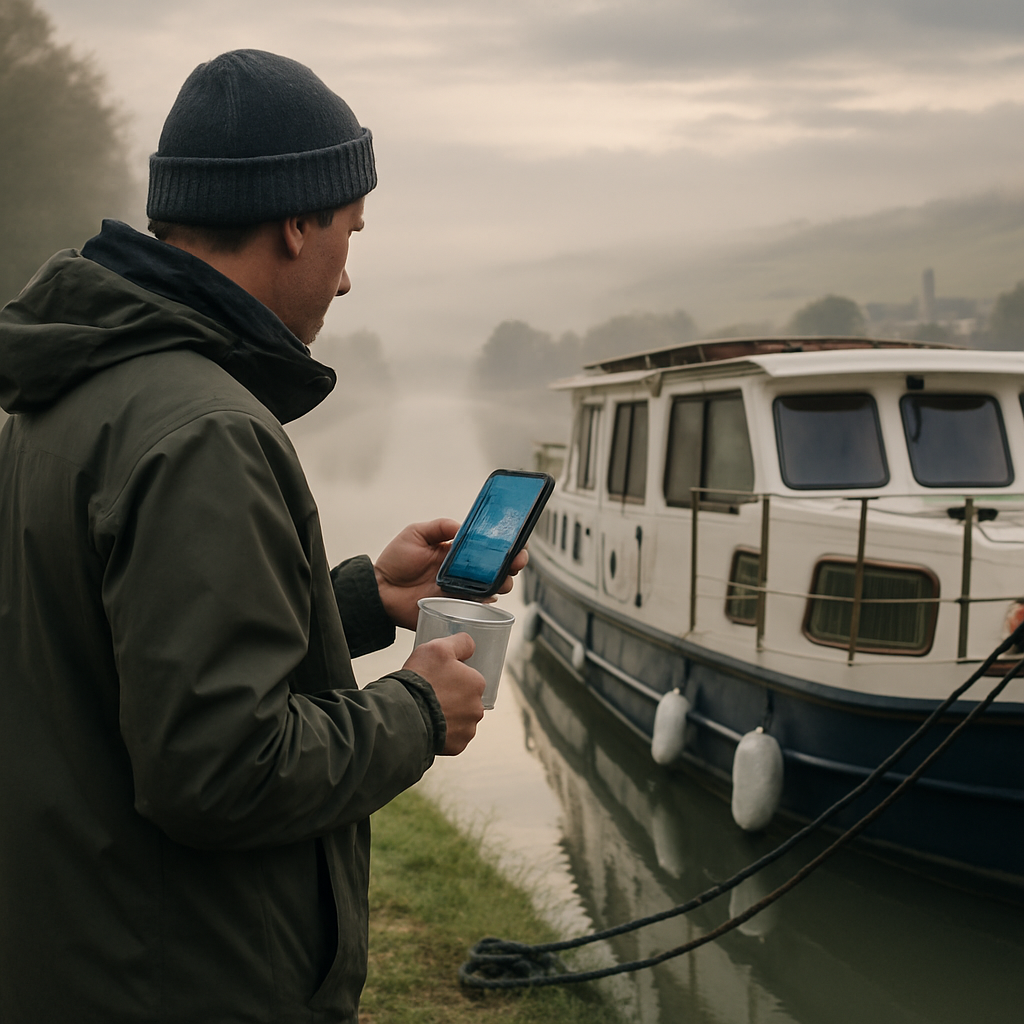
Before departure: check long-range (7–14 day) trends for route planning and week-ahead details every day. In the 48 hours before you leave, move to daily and 12-hourly updates. Once on the water: check forecasts at least twice daily — morning and evening — and immediately before casting off. If the forecast looks unstable or contains warnings, increase checks to hourly or set alert notifications on your phone. Good practice: take a screenshot or download the latest forecast map if you’re heading into areas with patchy mobile coverage.
Storm Readiness: Pre-Sail Checks for Bourgogne Canal Voyages
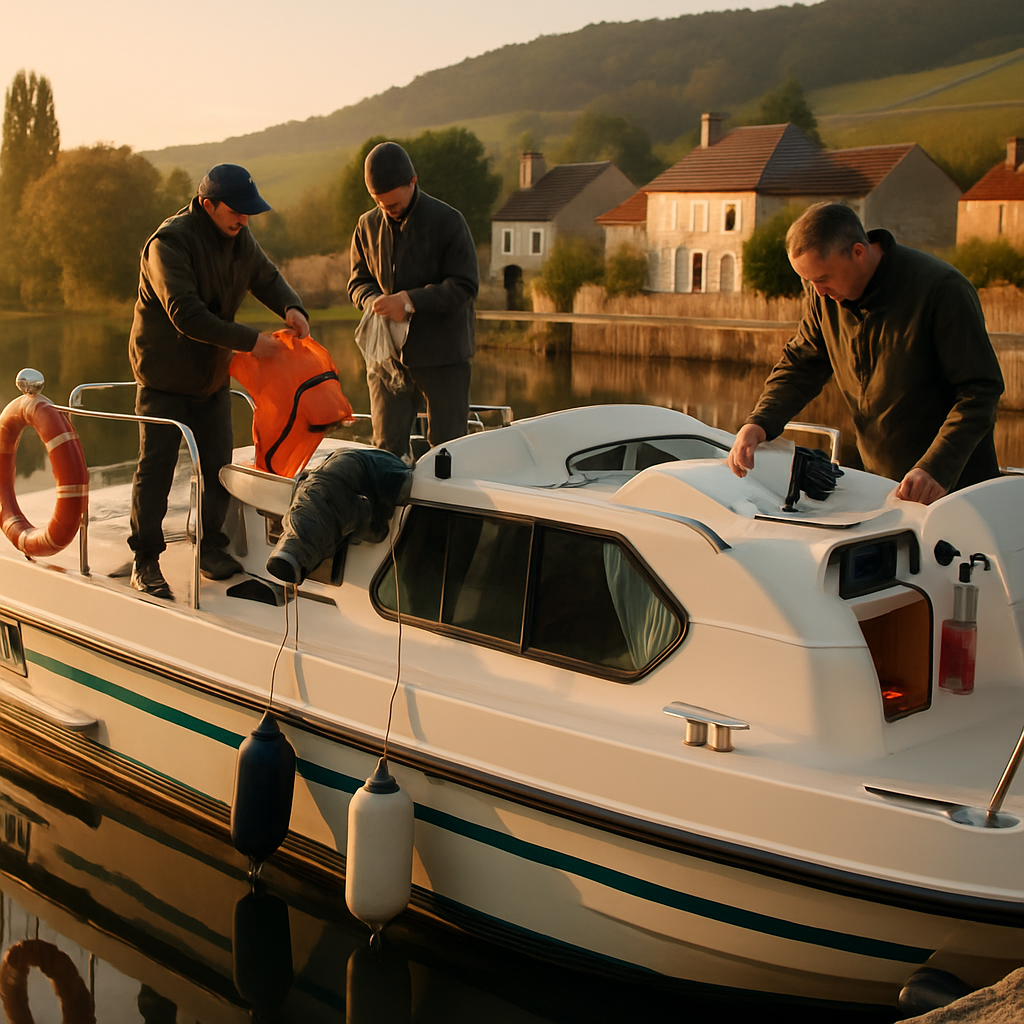
Storm readiness isn’t about overreacting — it’s about being realistic and practical. A short pre-sail routine will cut stress during a weather event. Here’s a task list that’s tailored to the quirks of Bourgogne canals and houseboats.
- Weather and route briefing: Review the latest meteorological bulletins and canal authority notices. Pick sheltered overnight stops rather than scenic but exposed options when the forecast is uncertain.
- Vessel check: Test bilge pumps, charging systems, navigation lights, horn, and secure handrails. Look for wear in fenders and check hatch seals for leaks.
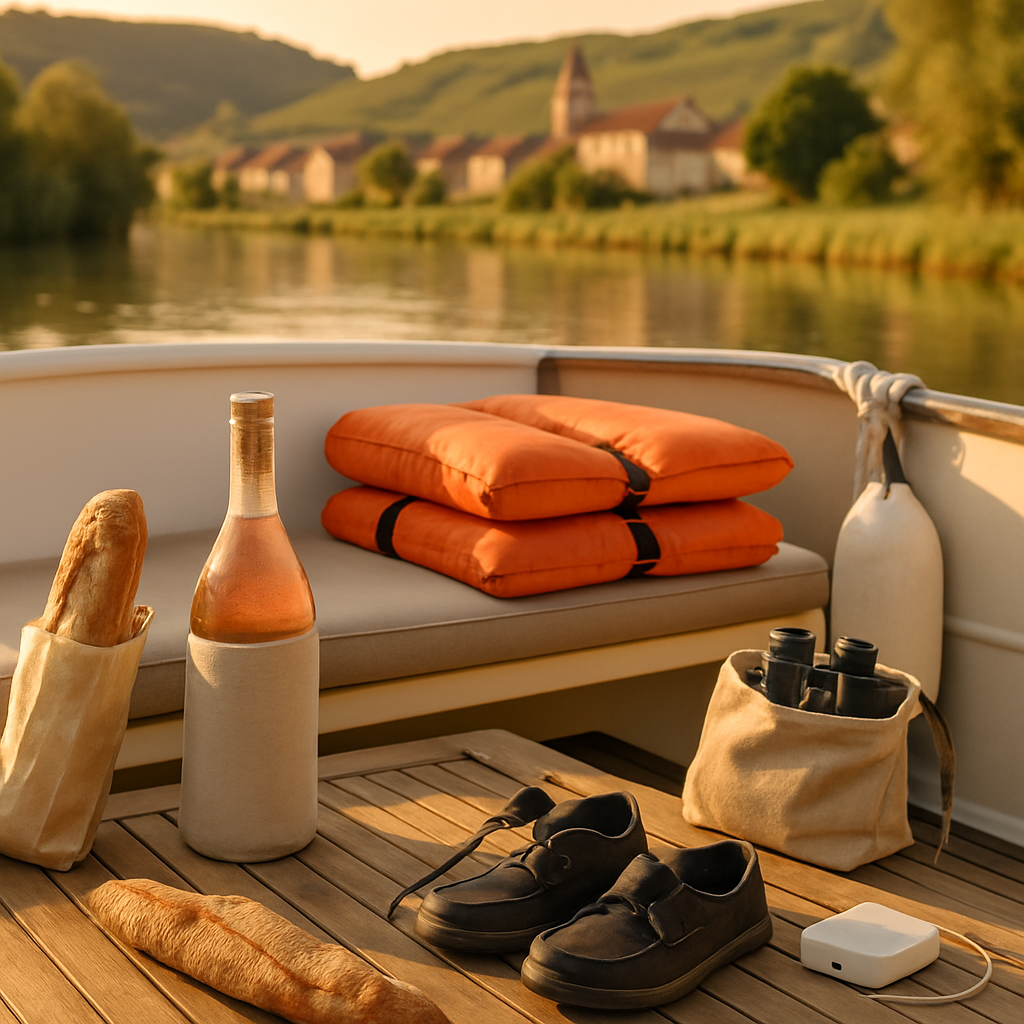
- Emergency gear: Ensure lifejackets fit everyone, pack extra warm/waterproof layers, a comprehensive first-aid kit, torches, spare batteries, and a charged phone and power bank.
- Mooring equipment: Inspect ropes and fenders. Pack a couple of longer, stronger lines for tying off to trees or alternative fixtures if necessary.
- Lock strategy: Avoid attempting back-to-back locks if a storm is forecast; pick calmer parts of the day for transit.
- Communications plan: Tell a shore contact your route and expected check-in times. Agree on what they’ll do if they lose contact with you.
Quick-reference pre-sail checklist
- Latest forecast + canal notices reviewed
- Bilge pumps and batteries tested
- Deck and hatch seals secured
- Lifejackets, warm clothes, first-aid packed
- Mooring lines and fenders inspected
- Alternate moorings and lock timing planned
Decoding Weather Alerts and River Conditions on the Bourgogne Canals
Alerts can look scary if they’re not decoded properly. A weather or river notice is a compact instruction manual: it tells you what to expect and what to do. Learn the common alerts and the sensible, proportionate responses for canal navigation.
Common alert types and practical responses
- Flood or heavy rain advisory: Expect higher flows and possible bank overflow. Action: avoid low-lying or unmaintained moorings; aim for higher or managed marinas if available.
- Thunderstorm watch/warning: Thunderstorms concentrate hazards — hail, sudden winds, and lightning. Action: stay off open decks, secure loose items, and shelter in a protected mooring until the event passes.
- High wind/gale warning: Strong lateral forces can push a boat sideways into obstacles. Action: locate a sheltered berth, use multiple mooring lines, add chafe protection, and limit movement.
- Navigation or canal operation notices: Authorities may close sections for safety during extreme events. Action: comply and reroute or wait; closures are for your safety.
Interpreting river flow and level notices for canals
Canal levels are managed, but they aren’t immune to natural inputs. Heavy rainfall upstream or releases from control structures can increase current at junctions and change bridge clearances. Conversely, prolonged dry spells can reveal hazards like submerged logs or mudbanks. When you see a flow notice:
- Assume currents are stronger near junctions and in narrow stretches.
- Avoid transiting locks during peak releases unless advised by the lock keeper.
- Choose moorings away from strong inflows or outflows; currents can rapidly change the angle of your bow against the bank.
Leveraging Real-Time Weather Tools for Safe Bourgogne Houseboat Travel
Technology is a boater’s friend — when used wisely. No single tool is perfect; the trick is to combine short-range observations with trusted forecasts and official notices. Here’s how to build a simple and reliable toolkit.
| Tool | What it shows | Why it helps |
|---|---|---|
| Radar & lightning maps | Real-time precipitation and thunderstorm motion | Pinpoint approaching storms and estimate time to impact |
| Marine or localised wind models | Wind speed, gusts, and direction over the next 24–72 hours | Plan travel windows and mooring choices around peak winds |
| Canal authority notices | Closures, lock operations, and water-level warnings | Mandatory guidance and up-to-date safety info |
| Local observation networks | On-the-ground reports from marinas and fellow boaters | Real-world context to complement model output |
Best practices for using weather tools
- Cross-check multiple sources: models have biases and different update cadences.
- Short-range radar is best for timing storms; models are better for wind trends.
- Set phone alerts for severe weather and lightning proximity.
- Download offline maps and take screenshots of critical notices before entering areas with poor reception.
- Use local resources — marina staff and lock keepers often have invaluable, current observations.
Seasonal Weather Trends in Bourgogne: Planning Your Boating Getaway
When you plan around seasonal trends, your risk drops and your enjoyment rises. Bourgogne is gorgeous year-round, but each season asks a slightly different strategy when it comes to Weather Forecasting and Storm Preparedness.
Spring (March–May)
Spring brings fresh green vineyards and cool, variable weather. Expect patchy heavy rains and occasional cold snaps. This is a lovely time to cruise if you like quiet canals — but pack layers and waterproof gear. Check for lock maintenance; many canals undergo spring servicing after winter.
Summer (June–August)
Long, warm days make summer the most popular time. But afternoons can spawn thunderstorms, sometimes intense. Beat the heat and avoid storm risk by starting early, seeking shaded moorings, and planning indoor activities for late afternoons. Carry extra water — heat and exertion increase hydration needs.
Autumn (September–November)
Autumn is a photographer’s dream: vine colors, crisp air, and pleasant temperatures. But rainfall increases, and storms may arrive earlier in the season. Fallen leaves can hide floating debris; slow down in leafy stretches and check props and intakes after mooring.
Winter (December–February)
Winter navigation on Bourgogne canals is for the experienced. Risks include freezing, ice, and reduced services. If you attempt a winter cruise, insulate pipes, carry reliable heating and fuel, and know that some locks and marinas may be closed. Most leisure boaters avoid this season for good reason: it’s beautiful, but demanding.
Emergency Protocols and Quick-Response Steps for Storms on Bourgogne Waters
When a storm moves in fast, decisions matter. Calm, clear actions protect people first and then property. The following protocols are practical, field-tested steps you can practice before you leave the dock.
Immediate actions when a storm is imminent
- Seek sheltered mooring right away: Marinas, lock chambers (with permission), or canalside spots behind a bank or wall are ideal.
- Secure and double up moorings: Run additional lines fore and aft, use springs to control fore-aft movement, and add chafe protection where lines run over edges.
- Batten down: Close hatches, secure canvas, and store loose items below. Reduce deck clutter to prevent flying hazards.
- Power and pump readiness: Make sure batteries are topped up and bilge pumps are on auto (and working).
- Communicate your plan: Tell your shore contact and local authorities where you are and what you intend to do.
If you lose control, take these steps
- Everyone wears a lifejacket immediately and moves to safe positions on board. Prioritize people over gear.
- Stop the engine if you’re being pushed toward a hazard and maintaining power increases risk; otherwise, use power to hold a position under controlled conditions.
- Use long lines to secure to a static object ashore if possible, but only if it’s safe to do so.
- Call emergency services without delay if there’s danger to life or the vessel is taking on water.
- Follow instructions from rescue crews and canal authorities — they know local hazards and rescue protocols.
After the storm: recovery and reporting
- Conduct a safety sweep of the boat: check for injuries, fuel or oil leaks, and electrical faults before powering systems back up.
- Inspect hull, rudder, and prop for damage or obstructions. Clear debris from intakes and bilges.
- Photograph and document any damage for insurance claims.
- Report any canal infrastructure damage to the authorities — broken moorings or debris pose risks to other users.
- Restock emergency supplies and reflect on lessons learned; what would you do differently next time?
Frequently Asked Questions — Weather Forecasting and Storm Preparedness
What weather apps and tools should I trust for Bourgogne canals?
Use a mix: short-range radar and lightning maps for timing storms, a reliable marine or localized wind model for wind trends, and the canal authority’s notices for operational changes. Also check local marina reports — they often spot problems before models update. Combining these gives you the best chance to react fast and smart.
How much notice is enough to change my route or pause a cruise?
If a gale or severe thunderstorm warning appears, treat 12–24 hours as critical for route changes. For sudden thunderstorms seen on radar, you may only have an hour or less, so seek shelter immediately. In short: plan earlier when possible, but be ready to act quickly if the radar shows cells heading your way.
Which mooring is safest in high winds?
Look for lee shelters: marinas, lock chambers (with permission), or stretches behind high banks and walls. Avoid open fields, exposed bridges, and stretches bordered by sparse trees. Use multiple lines and springs to control fore-and-aft movement, and add chafe protection at contact points.
What should my storm kit include?
Lifejackets for everyone, spare warm and waterproof clothing, torches and spare batteries, a comprehensive first-aid kit, extra mooring lines and fenders, a charged phone and power bank, basic tools, and a waterproof VHF if possible. Add spare fuel and a pump-compatible toolset if you plan longer trips.
When should I call canal authorities or emergency services?
Call canal authorities for operational notices, lock issues, or infrastructure damage. Call emergency services immediately if there’s danger to life, uncontrolled flooding on board, or a serious injury. Don’t hesitate — early calls often speed up rescue or assistance.
Does insurance cover storm damage?
Coverage varies. Typical policies can include hull damage, salvage, and towing, but often exclude poor maintenance or negligence. Review limits and exclusions before departure and consider top-up coverage for longer or riskier trips. Keep receipts and photos for any claim — that paperwork matters.
How do I interpret barometric and wind trends quickly?
A rapidly falling barometer usually signals approaching low pressure and unsettled weather. For wind, focus on gust predictions and directional shifts: gusty, veering winds often precede storms. Use model trend plots for the next 24 hours rather than a single headline wind speed.
What’s the best way to practice emergency drills?
Run short, simple drills: don lifejackets, secure loose items, practice taking extra lines ashore, simulate engine failure procedures, and rehearse who calls whom on the shore contact list. Keep drills under five minutes at first, then expand scenarios. Frequent, low-stress practice builds muscle memory.
Weather Forecasting and Storm Preparedness is a habit as much as a skill. It’s about checking the barometer, yes, but also about culture: practicing drills, keeping gear in top shape, and choosing sensible moorings. The more you plan ahead, the more you can relax and enjoy the scenery — and that’s the whole point of a houseboat getaway.
Final tips and a quick checklist for easy reference
- Set weather and lightning alerts on your phone and cross-check radar before departure.
- Always carry extra mooring lines, fenders, and a basic toolbox.
- Practice emergency drills with everyone on board — knowing roles reduces panic.
- Keep a paper copy or screenshot of the latest canal notices when reception is unreliable.
- Plan safer transits for calm windows; don’t feel pressured to move if the weather is deteriorating.
Want one last practical takeaway? Before you cast off, take two minutes to imagine a worst-case storm scenario and run it through in your head. Where would you go? Which mooring would be safest? Who will you call? That tiny mental rehearsal is often the difference between a stressful scramble and a calm, controlled response. Safe travels on the Bourgogne — with good Weather Forecasting and Storm Preparedness, you’ll be ready for whatever the sky decides to do.