Discover Safer, Smarter Houseboating in Bourgogne: Capture Peace of Mind with Practical Safety, Regulations, and Boating Tips
Planning a houseboat escape through the canals and rivers of Bourgogne? You’re in the right place. This guide arms you with clear, usable Safety, Regulations, and Boating Tips so your trip is relaxed, legal, and—dare we say—delightfully uneventful. Read on for checklists, local rules, equipment suggestions, navigation pointers, and crew routines that make safe cruising second nature.
Bourgogne Houseboat Safety Essentials: Equipment and Pre-Departure Checks
Before you untie the lines and glide toward the next charming lock, spend fifteen to thirty minutes on a solid pre-departure routine. It’s the difference between a calm day on the water and a frantic scramble later. These Safety, Regulations, and Boating Tips start with the basics: inspect, confirm, brief.
If you want a single place to start researching practical guidance before you go, check the main resource hub at bourgogne-marine.com for concise articles. For emergencies, the dedicated page on Emergency Procedures and Evacuation Plans explains clear steps and responsibilities to reduce panic and speed response. If you need the legal background, consult the overview of France and European Waterway Regulations which outlines permits and compliance. Practical matters like financial protection are covered under Insurance Coverage for Houseboat Holidays, while gear lists and packing suggestions live on the Safety Gear Checklist for Houseboats page. To stay ahead of storms, the guide on Weather Forecasting and Storm Preparedness is a useful read that helps you plan safe sheltering and contingency routes.
Pre-Departure Checklist
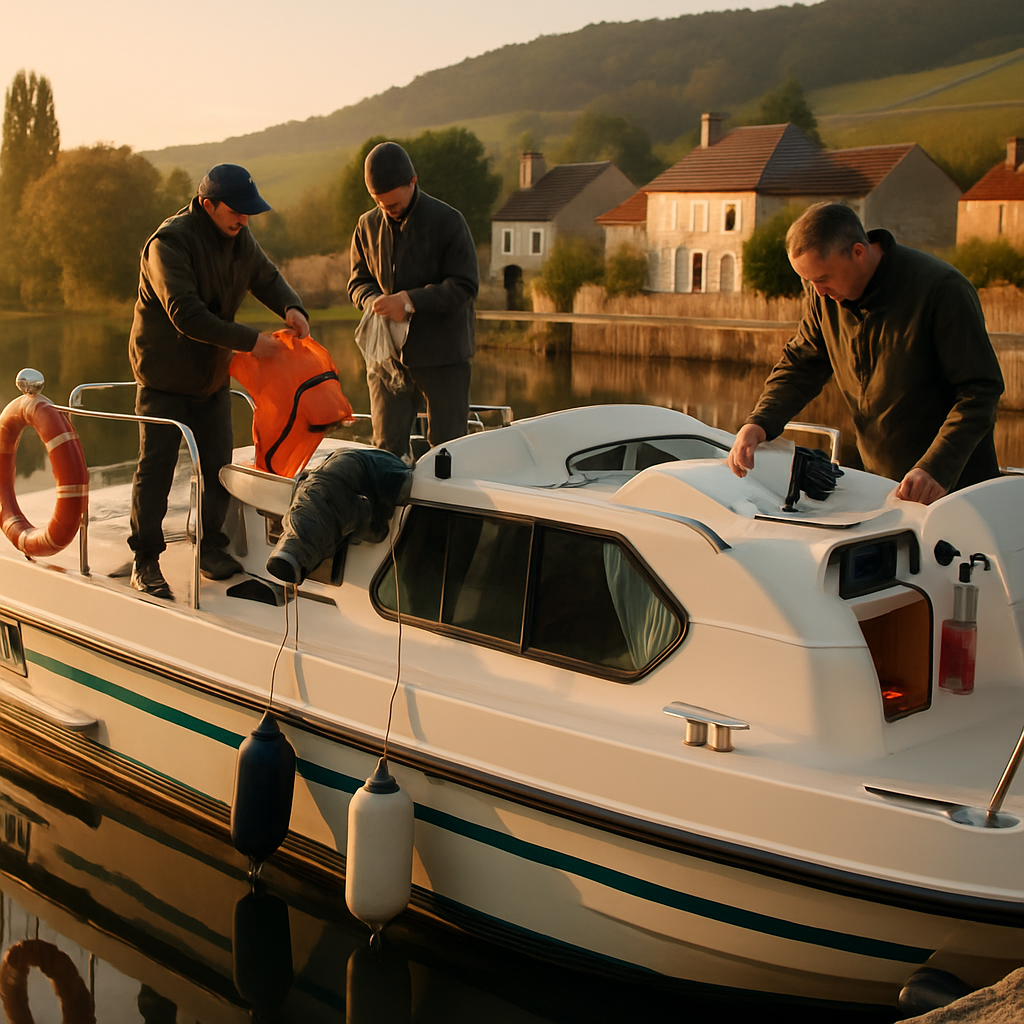
- Walk the boat: inspect the hull for obvious damage, ensure the propeller and rudder are clear of debris, and confirm all hatches and windows are secure.
- Fuel, oil and batteries: top up diesel and fresh water, check engine oil and coolant, and confirm batteries are charged.
- Bilges and pumps: run the automatic bilge pump and test the manual pump to be sure both work.
- Electrical systems: test navigation lights, cabin lights, and all essential switches.
- Safety gear visibility: know where lifejackets, fire extinguishers, first-aid kit, and throwable floats are stored—label them if needed.
- Charts and electronics: load or download navigation charts, update your GPS waypoints, and verify the VHF/DSC radio functions.
- Weather and route check: look at the forecast for the day and for the next 48 hours; adjust your plan if necessary.
- Float plan and shore contact: leave a copy of your intended route and expected return time with someone ashore.
Quick Safety Tips Before Casting Off
Brief your crew for five minutes. Tell them where the lifejackets live, who’s on the lines, and how you’ll signal “stop” or “go.” Keep instructions short—people remember three things. Also: keep at least one printed map aboard. Technology is brilliant until it isn’t.
Understanding Bourgogne Inland Waterway Regulations: Permits, Licenses, and Compliance
France takes its waterways seriously. Bourgogne’s canals and rivers fall under national and regional authorities, and local customs vary. These Safety, Regulations, and Boating Tips clarify what you need to check so you don’t get surprised by a fine—or worse, a denied lock transit.
Common Regulatory Considerations
- Skipper’s license: depending on engine power and the waterway, a boat license (permis) may be required. If you rent a houseboat, the company often provides guidance; for private vessels, confirm with the local mairie or Voies Navigables de France (VNF).
- Registration and insurance: boats should be properly registered and carry third-party liability insurance. Check your policy covers inland waterways and the specific waterways of Bourgogne.
- Local mooring rules: municipalities set mooring restrictions—overnight stays can be limited in towns or private banks.
- Speed and wake limits: many canals enforce strict speed limits to protect banks and wildlife—observe signs and slow when passing moored boats.
- Environmental compliance: do not discharge sewage or greywater in prohibited zones, and follow waste disposal rules in marinas.
Regulatory Checklist
| Document / Requirement | What to do |
|---|---|
| Boat registration | Keep onboard and accessible for inspectors |
| Skipper’s licence (if applicable) | Carry original or copies; verify requirements for specific waterways |
| Insurance certificate | Ensure inland-waterway coverage is valid |
| Local permits & lock fees | Pay or display as required; check lock opening hours |
Pro tip: treat the lockkeeper as your friend. They’re the ones who make your day smooth or long—be polite, timely, and follow local guidance.
Safety Equipment on a Bourgogne Houseboat: Must-Haves for Every Voyage
Whether you’re floating past vineyards or tying up at a village quay, the right equipment keeps light-hearted plans from going sideways. These Safety, Regulations, and Boating Tips list gear that’s practical and often mandatory.
Essential Safety Equipment
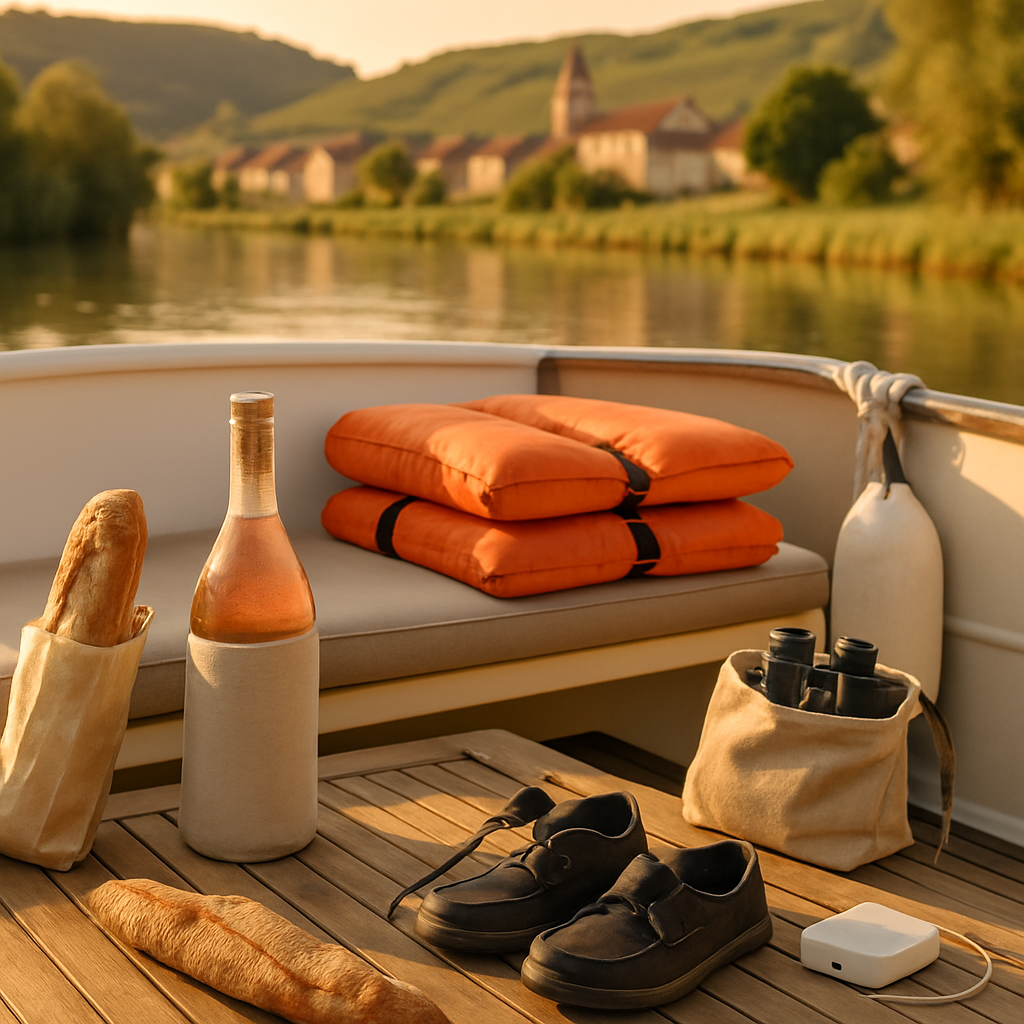
- Lifejackets: one per person, correctly sized, in good condition. Keep them easily reachable—don’t stash them under a mattress.
- Throwable flotation device: a lifebuoy or cushion for quick man-overboard response.
- VHF radio: a fixed VHF with DSC is ideal. A handheld VHF is an important backup.
- Fire extinguishers: at least one in the engine area and one in living spaces; ensure they’re serviced and the crew knows how to use them.
- First-aid kit: think beyond plasters—include antihistamines, painkillers, and seasickness remedies. Add any personal meds and document allergies.
- Signal devices: whistle, air horn, and visual flares suitable for inland waters.
- Anchor, chain and rode: choose size based on boat displacement and local riverbed conditions; practice anchoring in calm conditions first.
- Spare parts and tools: belts, filters, fuses, spark plugs (if applicable), and a basic toolkit—these save afternoons in remote locks.
- Bilge pump: automatic and manual, tested before departure.
- Navigation lights and horn: mandatory for low-visibility or night passages—check legal requirements for your route.
Storage and Maintenance Tips
Store equipment where it’s accessible and visible. Label compartments. Keep a small inventory checklist taped inside a locker and update it after use. Inspect extinguishers annually and replace expired flares—out-of-date pyrotechnics are useless and unsafe.
Weather, Waterways, and Route Planning for Safe Journeys on Bourgogne’s Canals
Bourgogne’s sheltered canals can lull you into a false sense of security. Weather changes, river flows, and lock queues all affect safety. These Safety, Regulations, and Boating Tips focus on anticipating problems before they arrive.
Weather and Water Conditions: What to Watch For
- Wind: even moderate winds can make berthing tricky—factor wind strength and direction into every mooring decision.
- Rain and rivers: heavy rainfall upstream can accelerate river flows, increasing currents and making some lock operations hazardous.
- Fog and low visibility: consider waiting ashore or in a marina until visibility improves—canal signs and buoys are no help if you can’t see them.
- Seasonal variations: spring thaw can raise levels and speed, while late summer may reduce depth in shallower channels.
Route Planning Best Practices
- Break your journey into achievable legs. Don’t assume you’ll make 8–10 locks in a single day—lock waits and sightseeing can double the time needed.
- Identify alternative moorings along your route. If weather turns, you want options within 30–60 minutes of your planned track.
- Check lock hours and potential closures; some locks close for maintenance or at midday in small towns.
- Plan fuel and provisioning stops conservatively—running low in a quiet stretch is a mood-killer.
- Share your plan: let someone ashore have a route and estimated times; update them if plans change.
Navigation, Communications, and Emergency Readiness on Bourgogne Adventures
Good navigation and clear communications are cornerstones of Safety, Regulations, and Boating Tips. You don’t need to be a navigation geek, but a few habits will keep you safe and in control.
Navigation Tools and Habits
- Charts: carry up-to-date paper charts for the waterways you’ll use—even a quick photocopy of tricky junctions helps.
- GPS and devices: program waypoints and keep a paper backup. Tech is great—but batteries die and screens fail in bright sun.
- Keep speed in check: obey speed limits and reduce wash when passing moored boats or wildlife habitats.
- Use AIS where available: it helps detect commercial traffic in busier river sections.
Communications and Simple Check-in Routines
VHF radio is your primary onboard communication tool. Make routine calls for lock transits if required, and set a simple check-in schedule with someone ashore—morning and evening calls are often enough. If you’re a couple of hours late, someone should check in; that’s how small issues are spotted early.
Emergency Preparedness: Plan, Practice, Repeat
- Create a clear emergency plan for fire, flooding, and man-overboard events. Keep it short—three to five steps per scenario—and post it near the helm.
- Run short drills when people join the boat. Pretend you dropped a line overboard and practice the response; it’s quicker than you think and hugely valuable.
- Know the local emergency numbers and VHF channels. Post them near the radio along with instructions: “If in doubt, call VHF Channel 16.”
- Keep an emergency grab-bag with waterproof copies of documents, a small battery pack, torch, spare VHF, and a basic medical kit.
Crew Roles and Safe Boating Practices: Building a Responsible On-Water Team in Bourgogne
Excellent boats have teams who know their roles. Safety, Regulations, and Boating Tips aren’t just about gear—they’re about people and how they work together. Clear roles cut confusion, reduce accidents, and make docking far less theatrical.
Assigning Roles Clearly
- Skipper: final decision-maker for navigation and safety. The skipper communicates the plan and calls the shots in emergencies.
- Helmsman: follows the skipper’s directions and keeps the boat steady. Good helms keep calm—practice helps.
- Lookout: eyes on the water for obstacles, swimmers, or shallow patches. Critical in narrow canals and blind bends.
- Deck crew: in charge of lines, fenders, mooring, and lock operations. Practice coil-and-pass techniques to avoid tangles.
- Communications officer: manages calls, logs check-ins, and keeps shore contacts updated.
Onboard Safety Practices Everyone Should Know
- Brief new crew immediately: 5 minutes on safety and roles; 10 minutes for hands-on practice with lifejackets and lines.
- Use the buddy system for tasks that require leaving the cockpit—especially at night or when cold and tired.
- Alcohol rules: set sensible limits for those operating the boat. One responsible skipper is better than three tipsy ones.
- Rotate duties to avoid fatigue. A fresh lookout is more effective than a tired one.
Final Checklist and Practical Next Steps
Here’s a concise wrap-up of the most actionable Safety, Regulations, and Boating Tips to apply before and during your Bourgogne trip.
Before You Leave
- Verify documents and insurance. Carry copies and keep originals safe aboard.
- Run through the pre-departure checklist and confirm bollards, fenders, and fuel.
- Brief the crew, assign roles, and do a short drill.
- Leave your float plan with someone ashore and confirm marina/lock times if needed.
During the Trip
- Check weather twice daily and adjust your legs accordingly.
- Respect speed limits and local mooring rules.
- Keep a VHF on and set routine check-ins with your shore contact.
- Be courteous to lockkeepers and other boaters—everyone benefits from good manners.
Frequently Asked Questions — Safety, Regulations, and Boating Tips
Do I need a license to drive a houseboat in Bourgogne?
You might. Licensing depends on the engine power of the vessel and the waterway you’re using. Many smaller rental houseboats are designed for licence-free operation, but private or more powerful motorboats often require a permis. Always check with your rental company or the Voies Navigables de France (VNF) before departure. If in doubt, carry your licence or certified proof of competence—better safe than sorry.
What insurance do I need for a houseboat holiday?
At minimum, third-party liability insurance is essential; it protects you if you damage someone else’s property or cause injury. Look into comprehensive options that cover hull damage, theft, and personal injury for passengers. Read the policy fine print for inland-waterway coverage and any territorial limits. If you’re renting, confirm what the operator covers and what excess applies—sometimes a top-up policy is a good investment.
Which safety equipment is legally mandatory and which is recommended?
Mandatory items vary by boat and waterway, but commonly required gear includes lifejackets for everyone aboard, navigation lights, fire extinguishers, and a sound-signalling device. Recommended extras are a VHF radio (with DSC if possible), a throwable float, a well-stocked first-aid kit, and a set of spare engine parts. Check the Safety Gear Checklist for Houseboats to match legal requirements with practical needs.
How do I prepare for sudden bad weather or storms?
Keep an eye on forecasts and set conservative daily legs so you can reach shelter quickly. Plan alternative moorings, know nearby marinas, and have secure fenders and extra lines ready. If a storm approaches, head for protected water, reduce speed, and batten down loose items. The Weather Forecasting and Storm Preparedness guide offers practical checklists and timing tips so you’re not scrambling at the last minute.
What should I do in a medical emergency onboard?
Remain calm and give first aid within your capabilities. Use your VHF or phone to call for help and alert nearby marinas if needed. If the situation is serious, head to the nearest port with medical facilities. Keep a list of crew allergies and medications visible, and ensure your first-aid kit includes items for allergic reactions and common boating injuries.
How do locks work, and are they difficult to use?
Locks are straightforward once you get the hang of them. Approach slowly, tie fenders, and prepare lines before arrival. Follow lockkeeper instructions where present; they’ll usually signal when to enter or tie. If a lock is manual, be ready to operate paddles or gates carefully—watch for shifting ropes. Don’t be shy to ask for help; most local lockkeepers are friendly and happy to offer tips.
Where can I legally moor overnight, and are there restrictions?
Mooring rules differ by commune. Many towns allow short-term mooring at quays or visitor moorings, but private banks or protected areas may forbid it. Some locations restrict overnight stays or require a small fee. When in doubt, look for signage, ask at a local marina, or check with the mairie. Respect local residents—keep noise low and avoid blocking access.
What happens if I break down on the canal?
First, secure your boat to prevent drift and hazards. If you can’t fix the issue quickly, call for assistance: your rental company if you’re hired, a local marina, or a commercial pump-out/assistance service. Have spare parts and tools aboard to handle common failures. If the breakdown is an environmental or safety risk, inform the lockkeeper or VNF so they can advise on safe mooring or recovery options.
Are there fines for non-compliance with waterway rules?
Yes. Penalties can include fines for lacking proper documents, failing to follow speed limits, or illegal mooring. More serious breaches involving pollution or reckless navigation can attract larger sanctions. Keep documents accessible, follow signage, and ask local authorities if you’re unsure. Observing rules keeps the canals pleasant for everyone and helps protect the environment.
How can I stay connected (phone/VHF) in remote areas?
VHF radio is your most reliable onboard communication for immediate help. For phone coverage, buy a local SIM or a roaming plan and download offline maps. Signal can be patchy in valleys or under tree-lined banks; plan for this by using VHF check-ins and leaving your float plan with someone ashore. A small portable VHF and charged power banks are cheap insurance against being out of touch.
Where can I find more detailed local guidance and emergency plans?
If you want deeper, location-specific advice, visit the main resource hub at bourgogne-marine.com, and the detailed page on Emergency Procedures and Evacuation Plans for step-by-step protocols you can adapt to your crew and vessel. Those pages include checklists, printable plans, and contact templates you can use to leave a clear float plan ashore.
Safety, Regulations, and Boating Tips are not just a to-do list—they’re a mindset. A little preparation, clear roles, and respect for local rules turn a pleasant canal cruise into a carefree adventure. Bourgogne’s waterways are peaceful, scenic, and very forgiving—provided you treat them with the right mix of humility and common sense. Now, pack your binoculars, a corkscrew for one of Burgundy’s legendary whites (or reds), and go enjoy the slow life—safely.